Red Flags When a Real Estate Agent Avoids Talking About Registration
25 de septiembre de 2026 · 6 min min read
Learn how to spot suspicious behavior from real estate agents who won't discuss the Certificate of Title and protect your investment.
Red Flags When a Real Estate Agent Avoids Talking About Registration
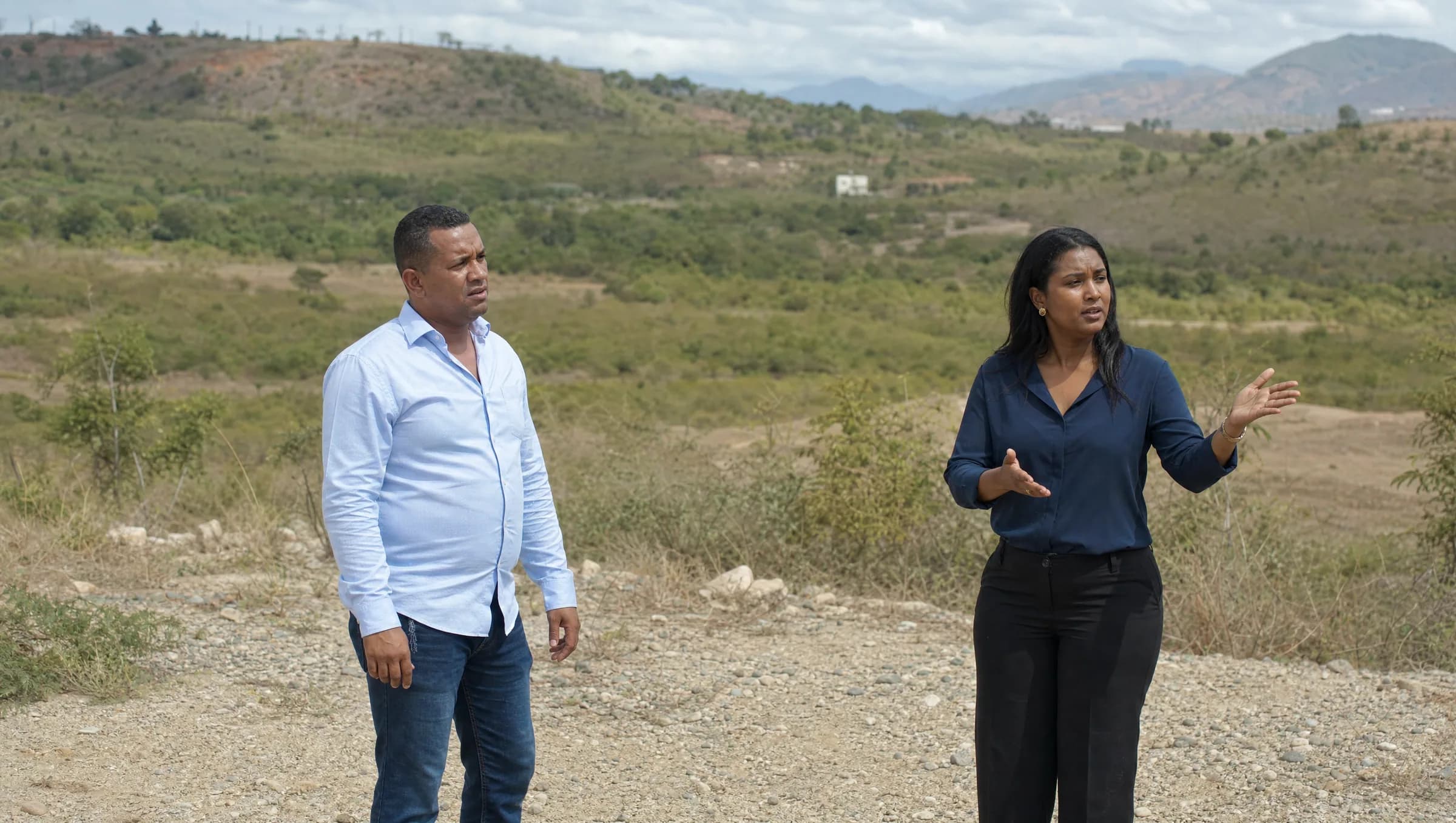
When Carlos visited a plot of land outside Santiago, the agent showed him the boundaries, talked about appreciation potential, and assured him it was "a one-of-a-kind opportunity." But every time Carlos asked about the Certificate of Title, the agent changed the subject or said "we'll review those papers later." This situation—more common than it should be—raises several red flags when a real estate agent avoids talking about property registration that no buyer should ignore.
In the Dominican Republic, under Law 108-05 on Property Registration, the Certificate of Title is the official proof of ownership guaranteed by the State. When an agent avoids this central topic or shows resistance to discussing the registration status, they're sending clear signals that something isn't in order.
The most common behavior: focus only on "possession"
The first red flag appears when the agent insists on talking only about "possession" or "possessory rights" and never mentions that the property has an individual Certificate of Title. In the Dominican system, possession without a registered title is just a claim, not a full property right.
Toca Timbre
Propiedades reales. Agentes verificados. Tú decides sin miedo.
This distinction is fundamental. A registered property has its right backed by the State and is imprescriptible. A property "only in possession" carries risks like double sales, prolonged litigation, or even total loss of your investment. If the agent downplays these risks or says "everything is bought this way around here" without offering legal alternatives like a title-clearing process, it's time to be suspicious.
Imagine investing RD$2,500,000 in a plot of land based only on a private contract, then discovering years later that another person holds the Certificate of Title on the same land. In court, the registered titleholder prevails, not whoever has "papers" without registration.
Resistance to showing official documents
 Another critical red flag is when the agent resists providing or showing a copy of the Certificate of Title and doesn't guide you on how to verify it at the Property Registry. The Property Jurisdiction allows you to request certifications to confirm the legal status of the property: whether it has mortgages, oppositions, liens, or pending disputes.
Industry experts recommend always requesting a certification of legal status before any transaction. If the agent responds with evasions, indefinitely postpones access to these documents, or pressures you to sign purchase promises without this prior verification, they're violating basic principles of transparency.
A professional agent should facilitate this process, not obstruct it. They should explain how to verify the title, accompany you to the appropriate Registry office, or at least guide you on the steps needed to confirm the property is free of encumbrances.
Evasion about professional credentials
It's also concerning when the agent avoids discussing their own professional registration or license. The Dominican legal framework requires that real estate agents have authorization issued by the State through entities and professional associations that regulate the profession.
An agent who won't show their professional ID, can't tell you in which registry or association they're registered, or gets upset when you ask for this information significantly increases the risk of fraud. Specialized verification platforms have started implementing "Verified Agent" badges that confirm active registration and proper documentation.
Red flags when a real estate agent avoids talking about registration: protection protocol
To protect yourself from these behaviors, follow this minimum protocol:
Before first contact:
- Demand clear information about the Certificate of Title from your first conversation
- Request a copy of the owner's ID and the Certificate of Title
- Verify the agent's credentials
During negotiations:
- Visit the Property Registry office for the property's location
- Request a Certification of the Property's Legal Status
- Confirm that the data matches: titleholder, registration number, description, and boundaries
- Verify there are no liens, mortgages, or disputes recorded
Red flags to end negotiations immediately:
- The agent refuses to show official documents
- Pressures you to sign without registry verification
- Can't explain the difference between possession and title
- Evades questions about their professional license
- Minimizes the importance of property registration
The real cost of ignoring these red flags
Consider the case of a family that invested RD$1,800,000 in agricultural land backed only by a private bill of sale. When they tried to get a bank loan using the land as collateral, the bank rejected it due to lack of a Certificate of Title. When they wanted to subdivide and sell portions, they discovered the title-clearing process was long, complex, and costly, and that until completing this process, they had no real legal security.
This scenario repeats constantly in the Dominican market. The difference between buying with a registered title and buying "papers" is the difference between a safe investment and a potential problem.
The shift toward professional verification
Fortunately, the market is evolving. Pro Consumidor announced the creation of a registry of real estate service providers so buyers can consult developer histories in real time. Technology platforms are integrating agent verification models that check professional registries and validate identity before awarding trust badges.
These tools don't replace your obligation to review the title or substitute for legal advice, but they work as a first security filter. They reduce the likelihood of dealing with informal intermediaries and make it easier to identify professionals with verifiable credentials.
Final reflection: where you start determines everything
In a market where red flags are frequent, the most important decision isn't what property to buy, but who to start searching with. An agent who avoids discussing property registration isn't protecting your interests; they're protecting themselves from questions that might reveal irregularities in the transaction.
Transparency about the Certificate of Title and registration status isn't a favor from the agent to you; it's a basic professional obligation. When that transparency is absent, the only sensible decision is to look elsewhere, with professionals who understand that your legal security matters more than closing a quick sale.
If you're exploring the Dominican real estate market, consider using tools that let you identify verified agents from the start of the process. Toca Timbre is an app where you can explore properties listed by agents with confirmed credentials and contact them directly via WhatsApp, creating an initial trust filter before any in-person meeting. Toca Timbre and start your search with greater clarity about who handles each property.
Frequently Asked Questions
What should I do if an agent tells me that "all the lots in this area are only possession"?
Ask them to specifically explain the risks of buying without a title and what legal options exist to clear the property before purchase. A professional agent should be able to guide you through the title-clearing process or connect you with a specialized lawyer. If they evade these questions or minimize the risks, it's a clear signal to find another professional.
Is it normal for an agent to ask me to sign documents before showing me the Certificate of Title?
No. Before signing any document, even a purchase promise, you must have access to the Certificate of Title and a certification of legal status issued by the Property Registry. Any pressure to sign without this prior verification is a risky practice you should reject.
How can I verify if an agent is licensed to practice in the Dominican Republic?
Directly ask for their professional ID or certification and inquire in which registry or association they're registered. You can verify this information with entities like ADOPROFI or other regulatory bodies. Additionally, some digital platforms now offer "Verified Agent" badges that confirm these credentials, which can serve as an initial reliability filter.