3 Red Flags That a Property Title Could Have Problems
15 de junio de 2026 · 5 min min read
Viewing the title via WhatsApp isn't enough. Discover the 3 alerts every buyer must identify before making a reservation on a property in the DR.
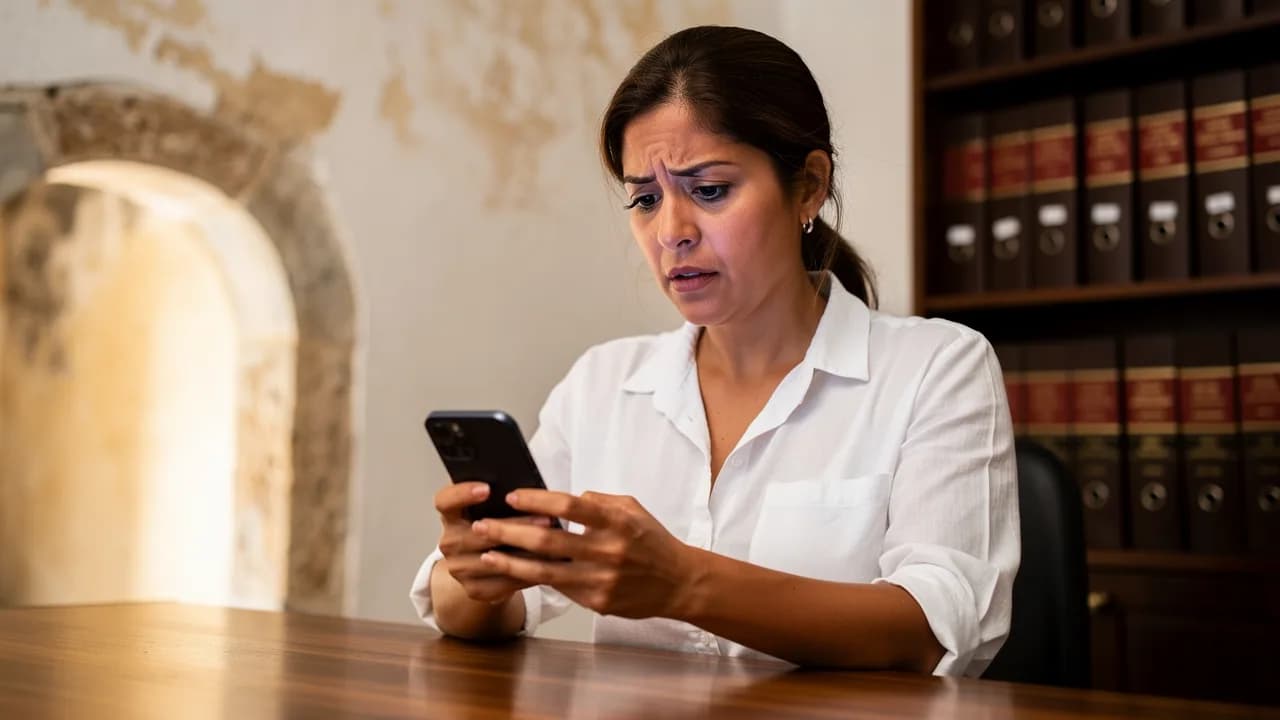
3 Red Flags That a Property Title Could Have Problems in the Dominican Republic
Carolina found the perfect house in Santiago. The price was within her budget, the location was ideal, and the seller sent her a clear photo of the property title via WhatsApp. Everything seemed in order until her lawyer explained something that changed her perspective: "A photo of the title is only the first step, not the final proof".
In the Dominican real estate market, many buyers believe that receiving the Title Certificate image via WhatsApp is sufficient to evaluate a property. This belief, though understandable, can lead to costly decisions. The reality is that viewing the document and verifying it officially are two completely different processes.
The Difference Between Viewing and Verifying a Property Title

Toca Timbre
Propiedades reales. Agentes verificados. Tú decides sin miedo.
When you receive a photo of the title via WhatsApp, you get basic information: name of the owner, parcel number, cadastral district, and square meters. However, that image has critical limitations that every buyer must understand.
The photo can be outdated, digitally manipulated, or not show the current liens and encumbrances. Additionally, it doesn't guarantee that whoever contacted you is truly the authorized owner who can sell.
This is why serious real estate professionals insist that the next step is to verify the information directly with the National Title Registry (DNRT). This process allows you to confirm whether the title is current, in whose name it appears, and if there are legal issues that could affect the purchase.
First Red Flag: Lack of Documentary Transparency
The first alert arises when the seller avoids showing the original title or only provides blurry photos. It's also concerning when they postpone in-person meetings, pressure you to send money before showing actual documents, or try to substitute formal documentation with "private contracts".
In the home buying process in the Dominican Republic, documentary transparency is fundamental. If there are inconsistent dates, seals, or names between documents, or if the seller is evasive when asked about documentation, it's time to pause the negotiation.
The logic is simple: without authentic and reviewable documents, you can't know if the person selling actually has the right to do so.
Second Red Flag: The Title Doesn't Match Reality
The second alert appears when there's a disconnect between what the document shows and the actual situation of the transaction. This includes:
- The owner's name on the title doesn't match who is closing the sale
- The property doesn't correspond with the description or cadastral measurement
- The map and the parcel visited don't match
- The actual dimensions differ significantly from those recorded
In the Dominican registry system, the cadastral measurement must match the physical property. Any difference between what the title says and what you observe on the land represents a serious risk that requires technical and legal verification before delivering any deposit.
Third Red Flag: Presence of Liens or Registry Conflicts
The third and most critical alert is the existence of liens, encumbrances, objections, or litigation. A property can have mortgages, seizures, lawsuits, or registry disputes that compromise the purchase, and this must be detected before signing any document.
The prudent way to review this is to request a certification of the legal status of the property and confirm that no litigation or pending liens exist. If objections, seizures, or a confusing chain of ownership appear, the risk isn't just financial: it can also mean acquiring a legal problem instead of a property.
The Responsible Verification Process
To protect your investment in the Dominican real estate market, the structured process includes:
- Receive a copy of the title (even if it arrives via WhatsApp, save it in good quality)
- Verify the information directly at the DNRT using the data from the certificate
- Request a Certificate of Liens and Encumbrances to identify mortgages, seizures, or other limitations
- Work with a real estate law specialist who knows how to interpret registry documentation
This approach isn't paranoia, it's prudence. In a market where transactions involve significant amounts, official verification at the Title Registry and obtaining updated certificates are indispensable steps.
The Practical Rule for Buyers
The recommendation for any first-time buyer is clear: if there's a lack of transparency, if the title doesn't line up with reality, or if the registry shows liens or conflicts, don't reserve yet. In those cases, the smartest thing is to ask for the complete file, confirm the legal status at the Title Registry, and seek legal support before moving forward.
Remember that these red flags don't automatically mean fraud, but they do justify stopping the process until you confirm the legal status of the property. It's better to invest time in verification than money in problems.
A Reflection on Your Starting Point
Carolina decided to postpone her decision until completing official verification. Three weeks later, she discovered that the property had an unpaid mortgage. That pause saved her months of legal trouble and a significant financial loss.
In the Dominican real estate market, where you search for properties and with what level of advice you start your process determines everything that comes next. The difference between seeing a photo of a title and verifying its validity can be the difference between a good investment and a costly headache.
If you're considering buying a property, there are tools that can help you start your search with more clarity. Toca Timbre is an app where buyers can explore properties published by real estate agents and contact them directly via WhatsApp to ask the right questions from the first contact. You can explore the available options at Toca Timbre.
Frequently Asked Questions
Is a photo of the title via WhatsApp enough to evaluate a property?
No, a photo of the title via WhatsApp is just a visual reference of the document. It doesn't prove that it's authentic, current, or that the property is free of legal problems. It's necessary to verify the information directly at the Title Registry to confirm its validity and obtain a Certificate of Liens and Encumbrances.
What do I do if I find inconsistencies between the title and the property I visit?
If the title doesn't match the reality of the property (owner's name, dimensions, location), you must pause the process immediately. Request technical and legal verification before delivering any deposit. These inconsistencies can indicate serious registry problems that require professional resolution.
When should I involve a lawyer in the buying process?
You should contact a real estate law specialist from the moment you decide to seriously verify a property, especially if you detect any of the three red flags mentioned. The lawyer can interpret registry documentation, verify the legal status of the property, and protect your interests throughout the entire transaction.