Put Down Money Without Seeing the Title? What Every Buyer Should Know Before Signing in the DR
1 de julio de 2026 · 4 min min read
Discover what documents you need to review before putting down money on a property in the Dominican Republic. Avoid costly mistakes with this practical guide.
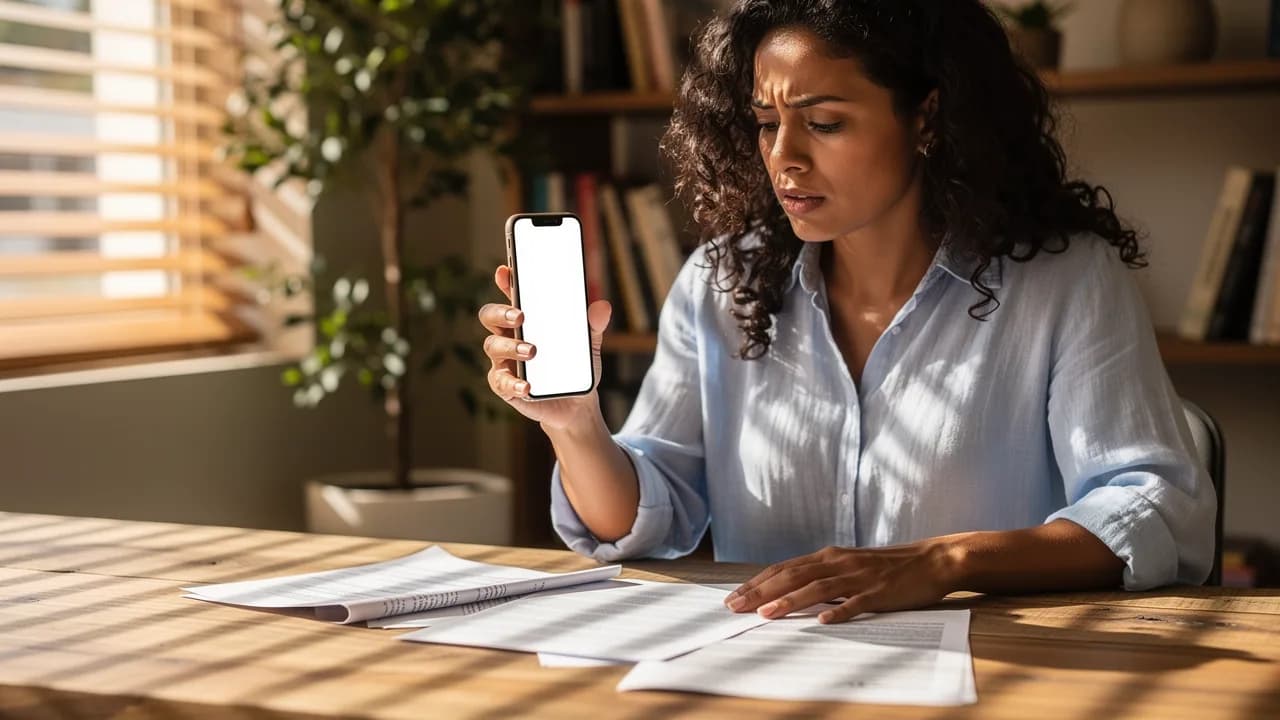
Did You Put Down Money Without Seeing the Title? What Every Buyer Should Know Before Signing
María Elena found the perfect apartment in Santiago. Two bedrooms, spacious balcony, reasonable price. The agent told her that someone else was interested and she needed to put down money "today" with 200,000 pesos. Excited not to miss the opportunity, she transferred the money and received a WhatsApp message: "I received your deposit. Apartment reserved for you."
Three weeks later, when she asked to see the title certificate to proceed with the contract, she discovered the property only had a note in the sanitation process, with a pending litigation from two years ago. Her "reservation" had no real legal value.
The dangerous belief: "First put money down, then verify"
Many buyers in the Dominican Republic believe that putting down money quickly is the way to secure a good property. This mentality, fueled by the pressure to "not miss the opportunity," leads to signing reservations or transferring money without seeing the basic documents that prove property ownership.
Toca Timbre
Propiedades reales. Agentes verificados. Tú decides sin miedo.
The reality is different: in the Dominican real estate system, the title certificate or noted registration is the legal foundation that proves who owns the property and under what conditions. Putting down money without reviewing these documents is like buying a car without seeing the vehicle papers.
What documents you need to see before putting money down
 Before transferring any money to reserve a property, you need to review the document that proves property ownership:
Definitive Title Certificate (blue)
It's the legal document issued by the Title Registry that proves the existence and validity of real property rights over the property. It works like a State guarantee of who the title holder is and what liens or limitations may exist.
Noted Registration (pink)
It serves as the basis for properties that still require processes like sanitation or land survey. These are technical and judicial steps to clearly define and register the property.
The questions you need to ask before putting money down
When you find a property you're interested in, ask these specific questions before handing over money:
-
"Does the property have a definitive title certificate or noted registration?" - You need to know the document type and its color (blue or pink).
-
"Is the property surveyed?" - If not, ask what process is still needed and what stage it's in.
-
"Can you provide me a copy of the title?" - To verify at the Title Registry that there are no mortgages, liens or lawsuits.
-
"Who appears as the property owner?" - It must match the person or company selling to you.
-
"Have there been recent transactions?" - Sales, mortgages or inheritances not yet reflected in the title.
The problem with a WhatsApp "receipt"
When you put money down with just a message saying "I received your deposit," you're trusting your money to an extremely fragile agreement. While messages can serve as evidence in court, they require technical expertise to confirm authenticity and are evaluated along with other evidence.
An informal WhatsApp message does not:
- Clearly describe the property or its registry data
- Establish timelines, conditions or penalties
- Define what nature that money has
- Properly identify the parties involved
How to protect your deposit correctly
A well-drafted purchase agreement should include:
- Precise property identification (title, registration number, location)
- Complete identity of the parties and their legal capacity
- Total price and clear payment conditions
- Timelines for signing and title transfer
- Consequences of non-compliance for each party
This means your money is protected by a clear legal framework. If the seller doesn't comply, the contract is the basis for claims or lawsuits.
A safer approach to buying property in the Dominican Republic
Taking a few days to review the title doesn't mean missing opportunities. On the contrary, it protects your investment and prevents costly surprises in a country where the real estate registry is well-structured and offers consultation tools.
The key is working with verified real estate agents who understand the importance of these processes and use contracts aligned with Dominican law. WhatsApp can still be useful for coordination, but legal security comes from the formal contract.
If you're starting your home purchase process, consider exploring options through platforms that connect buyers with agents working with clear documentation. Toca Timbre is an app where you can explore properties listed by agents and contact them directly via WhatsApp to ask the right questions from the first contact: Toca Timbre
Frequently Asked Questions
Can I put down money on a property that only has noted registration?
Yes, but you need to understand that noted registration means the property is in regularization process. Ask specifically what stage the sanitation or survey process is in, how long it could take, and what risks it involves. Make sure the contract reflects these special conditions.
What if the seller refuses to show me the title before I put money down?
This is an important red flag. A legitimate seller shouldn't have a problem showing the document that proves their property ownership. If they refuse, it's better to look elsewhere. No "opportunity" is worth handing over money without seeing basic documents.
How much money is normal to put down on a property in the Dominican Republic?
There's no fixed amount, but it generally ranges from 100,000 to 500,000 pesos, depending on the property value. What matters isn't the amount, but that any amount is backed by a formal contract specifying conditions for its return or application to the final price.