The Mistake of Transferring Your Down Payment Without Verifying the Agent in the DR
27 de septiembre de 2026 · 4 min min read
Sending money via WhatsApp to unverified agents can trigger bank alerts and losses. Discover what to do before you transfer your down payment in the Dominican Republic.
The transfer that changed everything for Carla
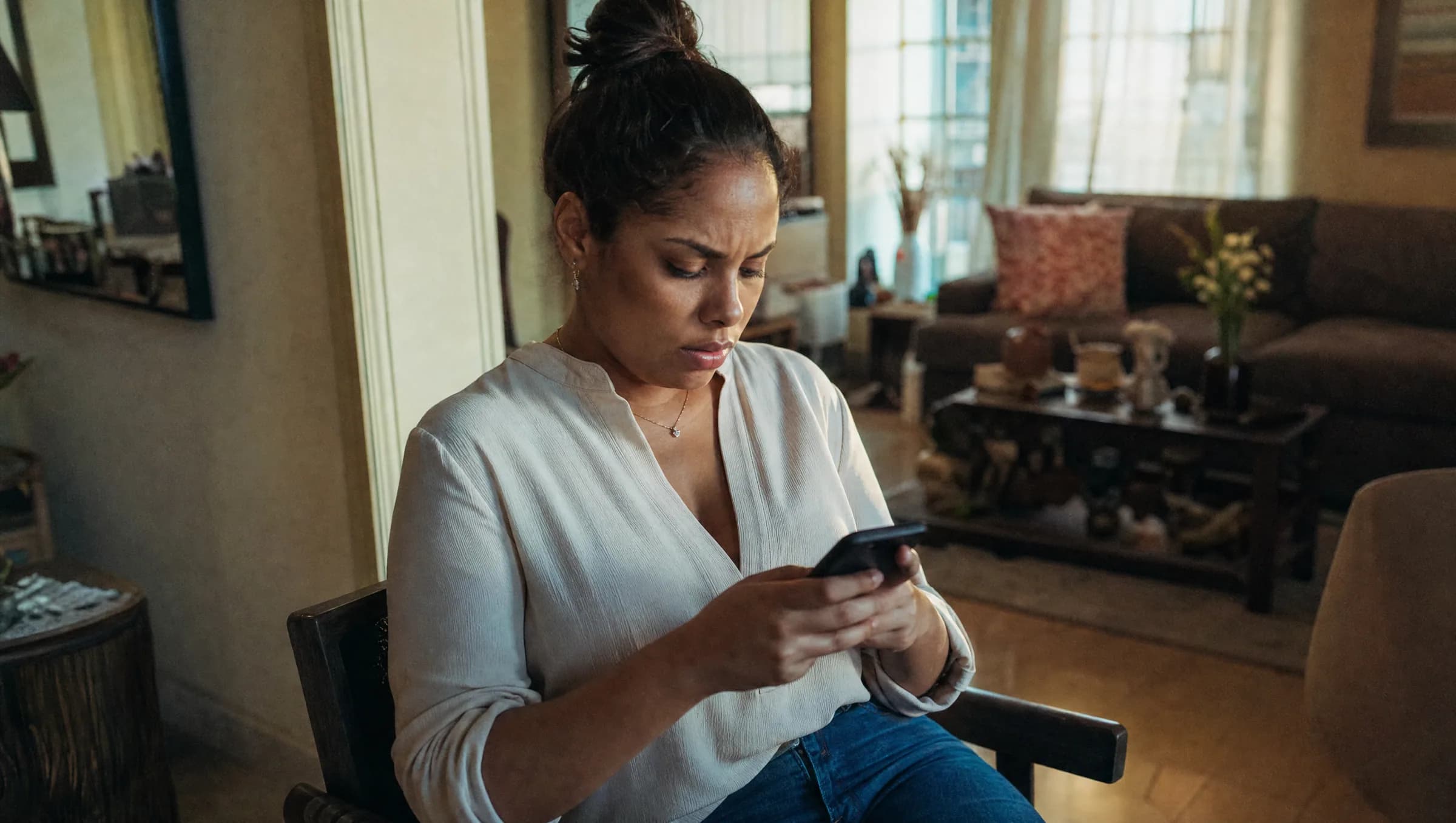
Carla had found the perfect apartment in Santiago. After months of searching, she'd finally found an option that fit her budget: RD$3.2 million, with a down payment of RD$320,000. The agent messaged her on WhatsApp with the details and sent her an account number to transfer the reservation. Without thinking much about it, Carla made the transfer from her bank that same afternoon.
Three days later, her bank called. The transaction had been flagged for review and they needed documents to back up the payment. Carla realized she only had WhatsApp screenshots and a personal account number. She had no contract, hadn't verified the agent, and couldn't prove the transaction was legitimate.
Why transferring a down payment in the Dominican Republic without verification triggers bank alerts
 What happened to Carla isn't unusual. When you transfer significant amounts to personal accounts without supporting documentation, banks in the Dominican Republic activate their anti-money laundering protocols. A transfer of RD$320,000 to an account that appears to have no business relationship with the sender is exactly the type of operation that raises red flags.
Toca Timbre
Propiedades reales. Agentes verificados. Tú decides sin miedo.
Dominican banks are required by Law 155-17 to monitor unusual transactions. When someone who normally handles small amounts sends a substantial sum to a personal account without contracts or business documents, the operation doesn't match the expected financial profile.
This isn't just a banking compliance issue. It's a real vulnerability for you as the buyer, who could lose your money to scammers who take advantage of how easily people transfer funds based solely on WhatsApp conversations.
The step nobody mentions before reserving a property
Before you transfer any amount to reserve a property, there's a critical step most buyers overlook: structure the transaction in a way that's transparent for both you and your bank.
This means having three basic elements in place:
Agent and company verification: Confirm that the agent actually represents the real estate company they claim to work for. This includes verifying the company's RNC, identifying a physical office, and confirming that the person you're talking to is authorized to receive payments.
Documentation before payment: A basic reservation contract or promise of sale that includes the project details, the responsible company, and the payment terms. This document must be signed before you transfer money.
Verified business account: Payments should go to accounts in the name of the real estate company or the project's escrow, not to personal accounts of individuals.
How your bank evaluates your real estate transfer
When your bank sees a transfer backed by contracts, directed to a business account, with documents explaining the commercial purpose of the payment, the transaction makes sense. They can connect the money movement to the purchase of a specific property, an identified company, and a buyer who's done their due diligence.
But when they see a significant transfer to a personal account, based only on WhatsApp instructions, with no contracts or business documentation, the transaction looks irregular. It's not that the bank wants to complicate your life; it's that they can't distinguish between a legitimate real estate purchase and a potentially suspicious operation.
In Carla's case, the bank needed to understand why she'd transferred RD$320,000 to a personal account without apparent business documentation. Until she could prove this was a legitimate real estate investment, the transaction would remain under scrutiny.
The difference between starting right and starting wrong
Where you start your property search determines how the entire process unfolds. If you start with unverified agents, on informal platforms, or through casual contacts, you're likely to end up making transfers to personal accounts without proper documentation.
But if you start your search in spaces where agents have been pre-verified, where companies have formal presence, and where processes are structured from the first contact, you're more likely to have your first transfer accompanied by the correct documentation, to the right accounts, and with the business backing your bank needs to see.
This difference not only protects you from fraud, but also makes the entire transaction smoother from a banking and legal perspective.
Frequently asked questions
What should I do if I already transferred money without verifying the agent?
If you've already made a transfer without proper documentation, act fast. Contact your bank to report the situation, ask the agent for the business documents you should have requested from the start (RNC, contract, project permits), and consider consulting with a real estate lawyer if you can't reach the agent or if you suspect fraud.
How can I verify if a real estate agent is legitimate in the Dominican Republic?
Verify that they work for a company with an active RNC, that the company has an identifiable physical office, and ask for references from previous clients. You can also confirm if they're associated with professional groups like Acoprovi or the Association of Real Estate Companies. Never rely solely on a WhatsApp profile or social media.
What type of account should I transfer the property down payment to?
Always transfer to business accounts in the name of the real estate company or the project's escrow. Never make payments to personal accounts of individuals, regardless of what explanation they give you. The account must match the legal name of the company that appears in your contract.
If you're starting your property search, remember that the first step determines everything that comes after. Toca Timbre is an app where buyers can explore properties posted by agents and contact them directly via WhatsApp, with the advantage that you can verify basic agent information before your first contact. You can explore available options at Toca Timbre.