Red Flags Before Making Your Down Payment in the Dominican Republic
9 de junio de 2026 · 5 min min read
Learn to identify red flags before paying the down payment on a property in the Dominican Republic. Avoid costly mistakes.
Red Flags Before Making Your Down Payment in the Dominican Republic
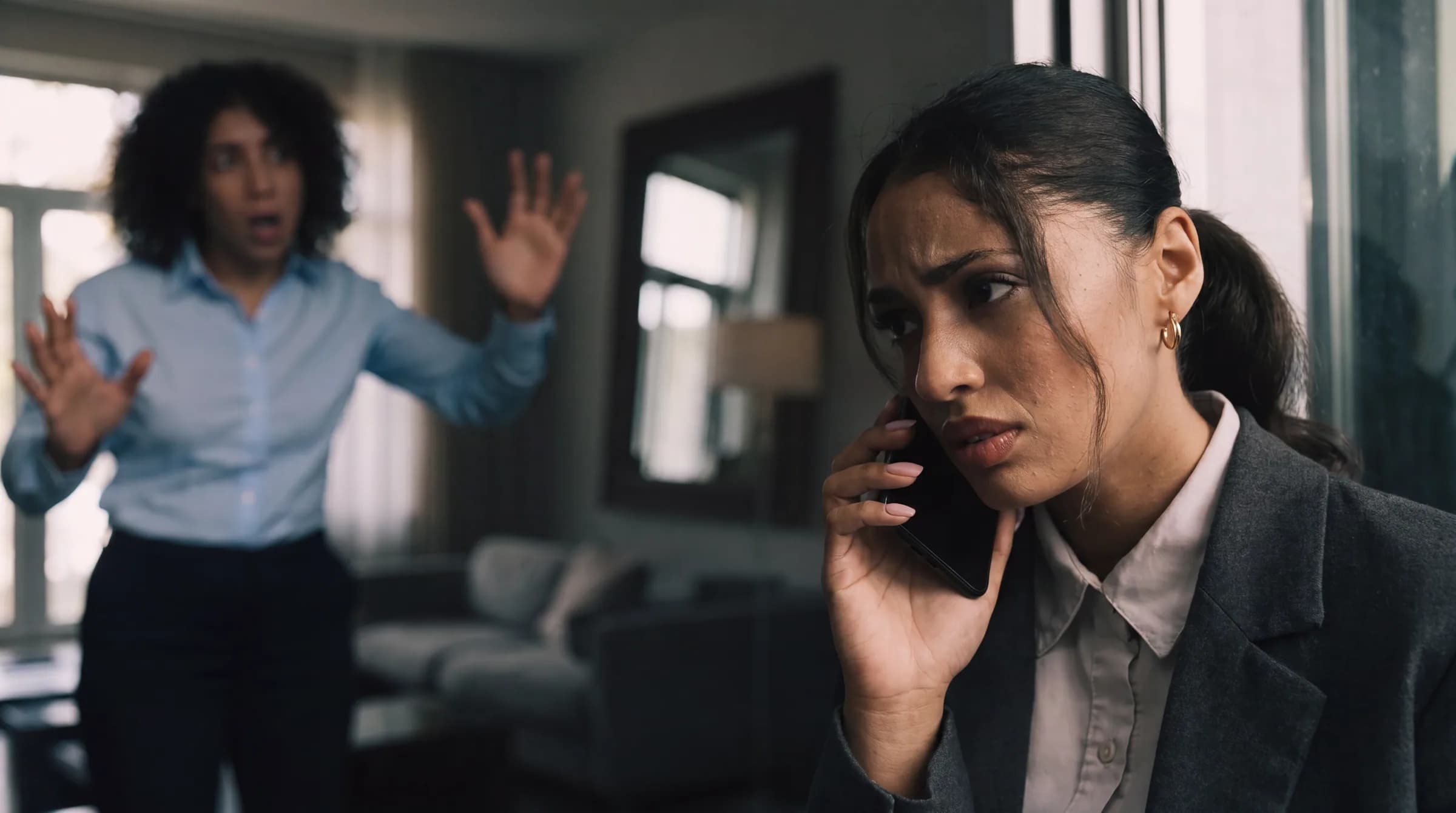
Carla has been apartment hunting in Santo Domingo for three weeks. She found one she loves in a new tower near the Malecón. The price seems fair: RD$4.2 million for 85 square meters. The agent tells her she only needs to transfer RD$200,000 as a down payment "to reserve it today" because someone else is interested. Carla feels the pressure, but something doesn't add up.
This situation repeats thousands of times each year in the Dominican real estate market. The excitement of finding the ideal property mixes with the artificial urgency some sellers create, and many buyers end up putting money down without recognizing the warning signs that appear right before that critical moment.
The Dangerous Belief About "Reserving" Properties
Toca Timbre
Propiedades reales. Agentes verificados. Tú decides sin miedo.
Many buyers believe that putting down a deposit is simply "reserving" the property, like booking a restaurant table. This mentality leads them to see the process as something informal and quick, where sending money via transfer and trusting the seller's word is enough.
The reality is that the down payment in a home purchase in the Dominican Republic is a serious legal commitment that requires formal documentation, identity verification, and clear contractual protections. It's not a temporary reservation: it's the first step in a transaction involving hundreds of thousands or millions of pesos.
Three Red Flags That Appear Before Payment
Pressure to Pay "Today"
When the supposed agent insists the advance must be made immediately, before allowing a complete walkthrough or document review, it's a clear sign of possible fraud. Phrases like "another buyer is waiting," "if you don't transfer today, you lose the price," or "you don't need a lawyer, this is quick" are designed to make you act without verification.
A serious professional understands that a decision of this magnitude requires time to process information and consult with family or advisors. Artificial urgency is a manipulation tactic, not a real market condition.
Agent Without Verified Profile
If the person avoids calls, dodges video calls, or only wants to communicate via WhatsApp without showing a physical office, professional networks, or previous clients, it's cause for distrust. A professional agent will be willing to share their full name, ID number, project history, and verifiable client testimonials.
In the Dominican context, where real estate scams have increased especially targeting diaspora buyers, verifying the agent's identity and track record before first contact is essential to avoid later fraud.
Price Too Attractive
If the property value is much below comparable properties in the same area, it's likely a hook to attract unsuspecting buyers. An 85-square-meter apartment near the Malecón costing RD$1.5 million less than similar projects should raise questions, not celebration.
Real discounts in the Dominican real estate market usually have specific and verifiable reasons: less premium location within the project, units with limited views, or launch promotions with clear and transparent conditions.
The Most Costly Error: Sending Money Without a Contract
Let's return to Carla. Her biggest risk isn't losing RD$200,000, but the way she's about to hand it over. The agent proposes making a transfer to his personal account, "to speed up the process," and signing the papers "next week when the contract is ready."
This is the most common and costly mistake: sending the down payment only via WhatsApp, transfer, or remittance, without formal contract, without agent verification, and without legal documentation backing the transaction. If money is sent to someone's personal account whom you only know from their WhatsApp profile picture, you're left without a strong document supporting your rights.
How Proper Reservation Should Work
Properly reserving a property involves several simultaneous elements:
- Formal reservation contract: A sales promise specifying clearly the total price, down payment amount, payment timelines, return conditions, and penalties for breach
- Verification of authority: Confirming that the person or company receiving money has legal authority to do so
- Backing documentation: Reviewing that title deeds, building permits, and certifications of the property's legal status exist
- Legal advice: Ideally, consulting with a specialized real estate lawyer in Dominican law
The difference between a safe reservation and a risky transfer is that the first creates verifiable legal obligations for both parties, while the second depends solely on the good faith of strangers.
The Emotional Moment of Decision
Carla feels the pressure because she really wants that apartment. She's been looking for weeks, and the possibility of losing it creates real anxiety. This mix of positive emotion (finding what you wanted) with fear (losing the opportunity) is exactly the mental state that fraudulent operations exploit.
Recognizing this emotional moment is key. When you feel you "have to decide now," that's precisely when you need to stop and verify. Legitimate properties and professional agents understand that real estate decisions require process, not impulse.
Reflection: Starting From the Right Place
The red flags before putting down a deposit don't appear at the last moment. They start from the first contact: how you found the agent, what information they gave initially, how they present themselves professionally, what documentation they handle from the start.
The problem isn't that Dominican buyers are naive or careless. The problem is that many start their search in spaces where it's hard to verify identities and track records from the first moment. Facebook groups, informal ads, and "a friend of a friend" contacts don't offer the basic verification layers you need before considering any transaction.
When you start your search from a place where you can know the agent's profile, experience, and references before first contact, the red flags become easier to detect because you have a clear comparison point.
If you're beginning your property search in the Dominican Republic, consider exploring options where you can know the agent's verified information before first contact. Toca Timbre is an app where buyers can explore properties published by agents and contact them directly via WhatsApp, with the advantage of knowing verified professional information from the start. You can explore these options at Toca Timbre.
Frequently Asked Questions
How much time should you take to decide about the down payment?
There's no universal "correct" time, but you should have enough time to review basic documents, verify the agent's identity, and ideally consult with a lawyer. If you're pressured to decide in hours, that's a red flag. A responsible process can take anywhere from several days to a week.
Is it normal for them to ask for the down payment before showing me all of the property's documents?
No. Before handing over any money, you should see at least the title deed, building permits (if applicable), and have clarity on the property's legal status. A legitimate seller will understand that you need this information to make an informed decision.
What do I do if I already handed over money without a contract and now have doubts?
Contact a real estate law specialist immediately. Save all communication you have (WhatsApp, emails, transfer receipts) and don't make additional payments until a professional reviews your situation. Time is critical in these cases.
Sources
- Recommendations to avoid real estate fraud — Diario Libre
- Fear of being scammed buying a property in the Dominican Republic — Parmelia Matos
- How to avoid real estate fraud in the Dominican Republic — Dream Home DR
- Practical guide to evaluate properties in DR — Ivelisse de la Cruz
- Real estate fraud in the Dominican Republic — Corotos
- The most frequent mistakes when buying a property — Alfamoyca