Transferred Funds Without Verifying and Ended Up Calling Family
2 de junio de 2026 · 5 min min read
Why many real estate losses happen before seeing the property and how to verify the agent's bank account in the DR.
Transferred Funds Without Verifying and Ended Up Calling Family
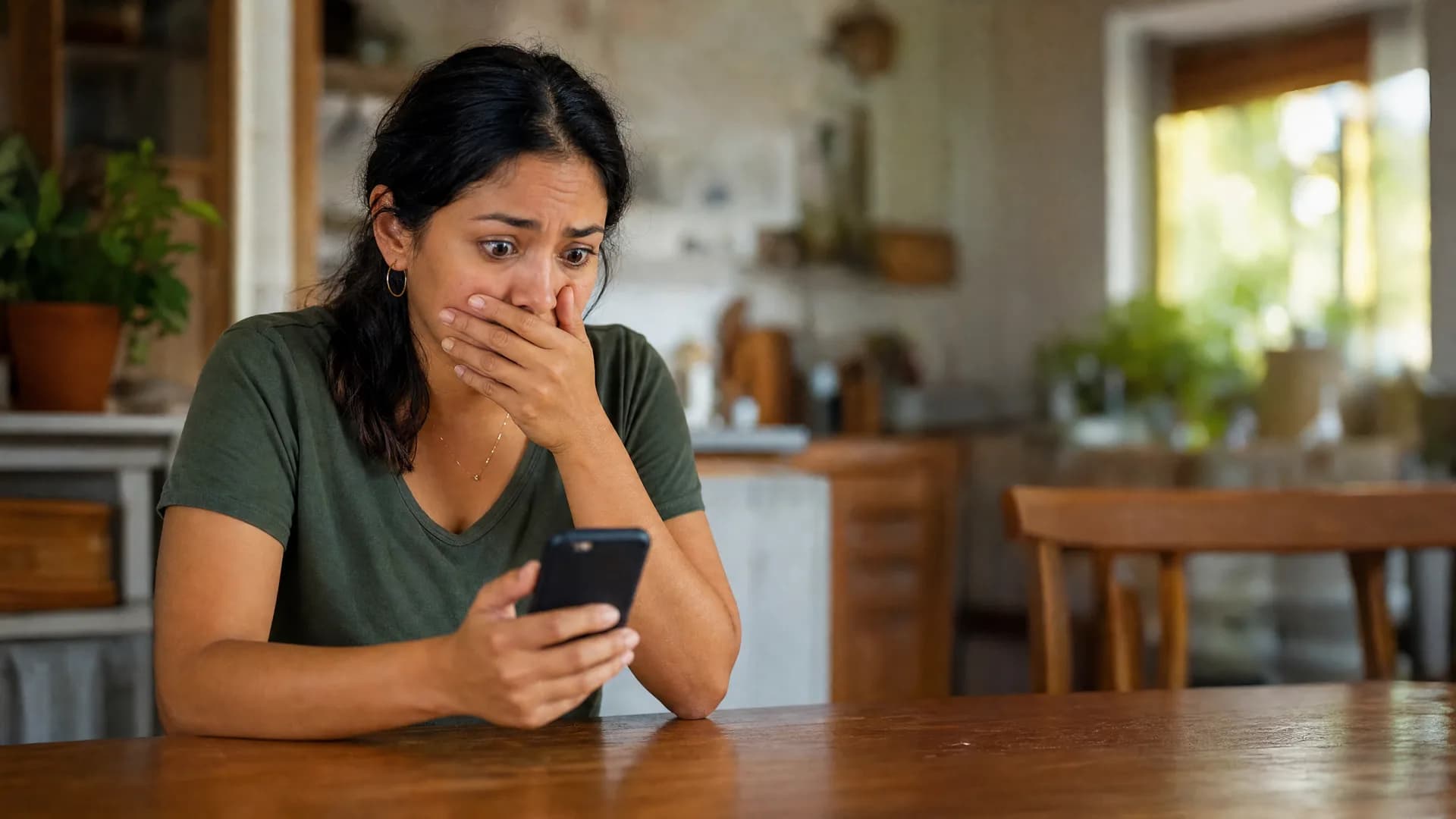
When María saw the ad for an apartment in Bella Vista on WhatsApp, she thought she'd found the perfect opportunity. Fair price, good location, and the supposed agent told her she only needed a RD$150,000 deposit to "reserve" the property. Three days later, she was calling her brother in the United States for help: the money had disappeared and the phone number wasn't answering anymore.
María's story isn't unique. In the Dominican real estate market, many losses don't happen because of property problems, but because transfers were made without verifying the real identity of the agent or the legitimacy of the bank account. The home buying process in the Dominican Republic becomes vulnerable when buyers send money before confirming who they're really dealing with.
The Most Common Error: Paying to "Meet" the Agent
A dangerous belief circulates in WhatsApp groups and social media: that "a small deposit has no risk" and that it serves to "show seriousness". This mindset inverts the logical order of the process. In a serious home purchase, the first contact with a real estate agent should establish trust and verify credentials, not move money.
Toca Timbre
Propiedades reales. Agentes verificados. Tú decides sin miedo.
The pattern repeats: someone finds an attractive property, asks basic questions by message, gets photos and a bank account, and decides to transfer "just to reserve". When doubts or inconsistencies appear, it's already too late. The person who seemed like a professional agent doesn't respond or gives confusing excuses about why the money can't be returned immediately.
How to Verify a Real Estate Agent's Bank Account
Before any transfer in a real estate transaction, it's essential to confirm that the bank account really belongs to the person or company who should receive payment. A practical and effective method is to ask the agent for a short video recorded directly from their banking app.
In this video, which shouldn't take more than 30 seconds, the agent should show the screen of their app where these items appear:
- The account holder's name exactly as it's registered at the bank
- The complete account number
- The bank's logo or ID
Also, they should read this information aloud and confirm: "This is the account where the transfer should be made, in the name of..."
Why This Step Is Critical for Verified Real Estate Agents
This kind of verification protects both the buyer and the legitimate agent. For a serious professional handling real properties, recording a video from their banking app represents no complication whatsoever. In fact, it demonstrates transparency and strengthens their professional credibility.
For someone attempting fraud, this request becomes problematic. Scammers typically use third-party accounts, numbers copied from other sources, or made-up data. Actually having access to the banking app and being able to show information that matches their identity is much harder to fake.
The Financial Context: When Verification Becomes Critical
Consider the typical case: an apartment for RD$4,500,000 where the agent requests 10% deposit (RD$450,000). This amount represents several months of salary for many Dominican families. Once that money leaves the buyer's account to an unverified destination, getting it back becomes a complex process involving banks, authorities, and, like in María's case, desperate calls to family members.
The difference between a safe process and a risky one isn't in the amount, but in the order of steps. In a well-structured home purchase, agent verification occurs before the first peso is transferred, not after.
Red Flags When Requesting Bank Verification
When you request the banking video verification, watch for these warning signs:
Evasive responses: If the agent avoids the request or offers alternatives like screenshots or scanned documents, be cautious.
Name inconsistencies: The name on the bank account must match the agent's ID or the real estate company. Discrepancies require clear explanation and documentation.
Time pressure: Phrases like "I'll send the video after the transfer" or "it's urgent, there's no time for those procedures" are clear risk signals.
Last-minute changes: If banking data changes between conversations or "new payment instructions" appear, stop the process until everything is completely clear.
The Reality of the Dominican Real Estate Market
The property market in the Dominican Republic operates at various levels of formality. While some established developers and agencies manage structured processes, other segments operate more informally. This variety isn't problematic in itself, but it requires buyers to develop clear criteria to distinguish between professional flexibility and lack of seriousness.
A verified real estate agent, regardless of whether they work for a large company or independently, must be able to demonstrate legitimate access to the accounts where they request deposits. This basic verification capability doesn't depend on their operation size, but on their professional honesty.
The First Contact Determines Everything That Follows
The initial moment of contact with a real estate agent establishes the dynamic of the entire business relationship. If this first exchange includes identity verification and confirmation of banking data, the subsequent process tends to maintain similar transparency standards.
When first contact focuses only on the property and omits professional verification, it sets a precedent where documentation and controls are left for "later". In real estate, where the sums involved are significant, this "later" can arrive too late.
María's story ended with an expensive lesson: by skipping 30 seconds of verification, she lost months of financial stability and confidence in the property search process. Her experience illustrates why, in the Dominican real estate market, verification must occur before financial commitment, not after.
For those seeking to explore properties with greater clarity and contact agents more systematically, Toca Timbre is an application where you can review options published by professionals and establish direct contact via WhatsApp, facilitating this crucial first step of verification before any economic commitment. You can explore these options at Toca Timbre.
Frequently Asked Questions
Is It Normal for a Real Estate Agent to Be Upset If I Ask for Bank Account Verification?
A professional agent should never be upset by reasonable verification requests. On the contrary, a serious professional understands that these steps protect both the client and their own reputation. If an agent reacts negatively to a basic transparency request, that reaction itself is valuable information about their professionalism level.
What Should I Do If I Already Transferred Money Without Verification and Now Have Doubts?
Contact your bank immediately to report the situation and ask about reversal possibilities. Document all communication you had with the supposed agent: messages, photos, promises. Keep complete evidence and consider filing a formal fraud complaint if you confirm you're a victim. The faster you act, the better your recovery chances.
Should I Verify the Bank Account Even If I Know the Agent Through References?
Yes, verification should be a standard step regardless of how you met the agent. References are valuable, but direct banking data verification is an additional control that takes just minutes and can prevent misunderstandings or identity theft. Even known agents can be victims of account hacking or there might be confusion about transfer data.