Carla's Mistake: Why Transferring Your Down Payment Can Trigger Bank Alerts
19 de octubre de 2026 · 5 min min read
Discover the critical error buyers like Carla make when transferring money without verification. Learn what your bank reviews and how to avoid suspicious transactions.
Carla's Mistake: Why Transferring Your Down Payment Can Trigger Bank Alerts
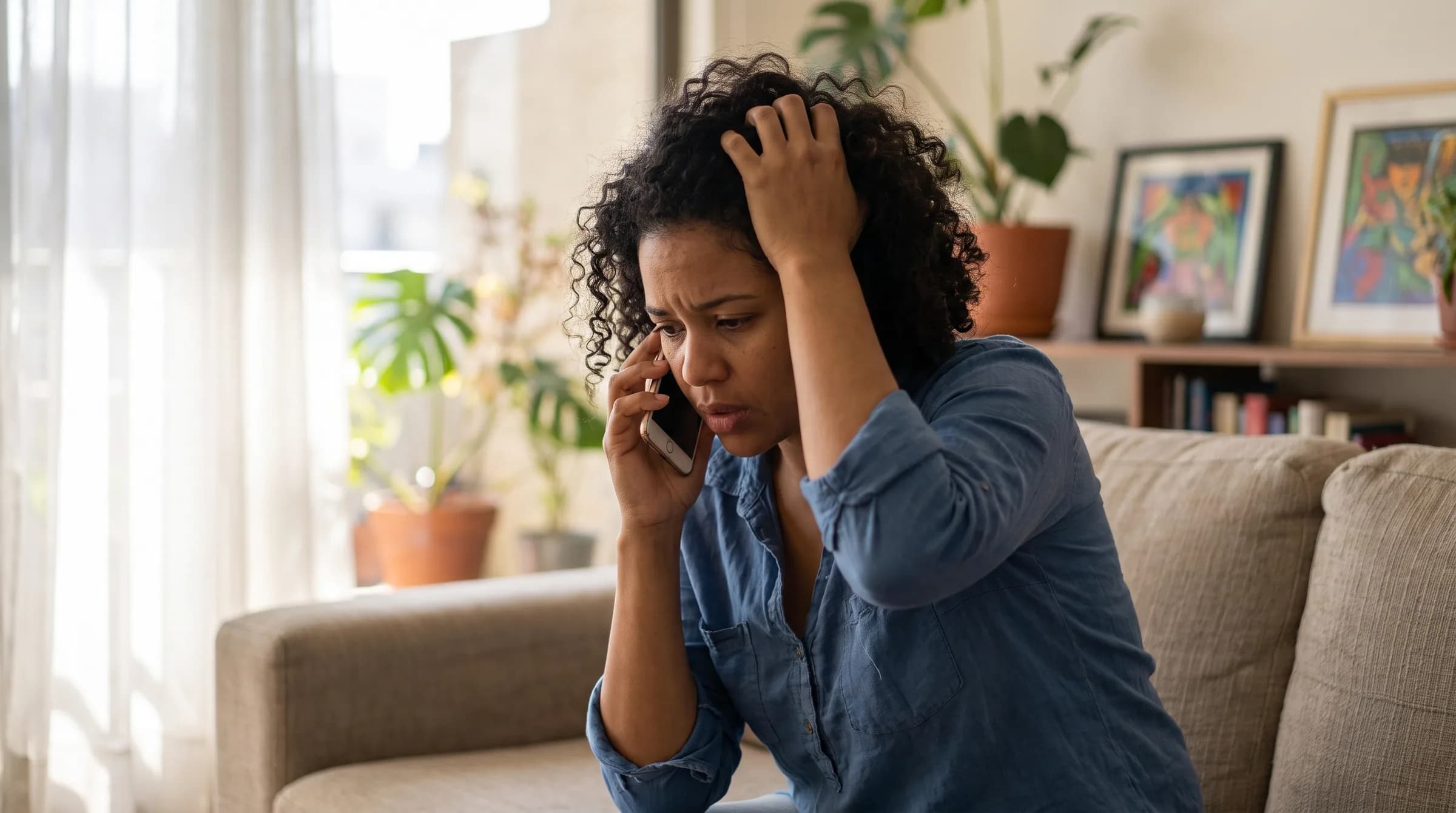
Carla found the perfect apartment in Santiago. After days of chatting on WhatsApp with someone claiming to be an agent, she received a bank account number to transfer her RD$300,000 down payment. Without hesitation, she made the down payment transfer right away. The next day, her bank called with uncomfortable questions about the transaction.
This scenario repeats more often than you'd think in the Dominican real estate market. The problem isn't that buyers are careless, but that few understand how Dominican banks analyze large transfers and what can make a legitimate purchase look suspicious.
The False Belief: "If It's for Property, There's No Problem"
Many buyers believe that as long as the money is for a property, any transfer is fine. This belief ignores an important reality: Dominican banks must comply with strict anti-money laundering regulations and evaluate each transaction by specific criteria that go beyond the stated purpose.
Toca Timbre
Verified properties, certified agents. You just decide.
According to the Superintendence of Banks guidelines, financial institutions must identify unusual or suspicious transactions. A large transfer to a personal account with no supporting documentation and based solely on WhatsApp instructions can trigger these alerts regardless of the buyer's legitimate intentions.
Why Carla's Bank Asked Questions
 When Carla transferred RD$300,000 to an account that didn't match any real estate company, several elements aligned as red flags:
Lack of commercial coherence: The transfer went to a personal account with no contracts, invoices, or documentation backing up a formal real estate transaction.
Pattern typical of fraud: Dominican authorities have documented scams where criminals pose as agents, send bank account numbers via WhatsApp, and pressure for quick transfers.
Absence of business structure: There was no evidence the money was going to a company with an RNC, a project trust account, or an identifiable corporate account.
This didn't make Carla suspicious, but it did require the bank to better understand the nature of the transaction to meet its regulatory obligations.
The Emotional Moment: When the Purchase Gets Complicated
Imagine how Carla felt when she got the bank's call. Instead of focusing on the floor plans of her future home, she had to explain a transaction that, on paper, looked irregular. That added stress could have been avoided with prior verification of the agent and payment channels.
The anxiety intensifies when the buyer realizes they don't have solid documents to back up their story: just WhatsApp messages and the word of someone they couldn't properly verify.
The Step No One Mentions Before Transferring Your Down Payment
Before reserving any property in the Dominican Republic, there's a critical step that few mention: structuring the transaction so it looks legitimate to the banking system. This isn't just to avoid scams—it's so your transaction reads as a transparent real estate investment.
Elements That Must Be in Place Before Payment:
Agent verification: Confirm their identity through formal channels (physical office, corporate phone, business video call). Never rely solely on a WhatsApp profile.
Basic documentation: Request the company's RNC, project brochure, promise-to-sell contract, or at least a formal reservation clearly stating the real estate company's details.
Verified recipient account: Confirm the account is in the name of the company or the project trust account. Transfers to personal accounts without clear explanation are a red flag.
Contractual backing: Never make payments without a document specifying the concept (reservation, down payment), the specific project, and the terms.
How Dominican Banks View Real Estate Transfers
Dominican banks aren't trying to complicate legitimate purchases—they must distinguish between transparent real estate investments and irregular money movements. A well-structured transaction lets them connect the fund movement to:
- A specific piece of property
- An identified company with business history
- A buyer who did proper due diligence
- Documentation supporting the stated purpose
When these elements are present, the transfer looks like a normal business transaction, reducing the chance of additional questions.
The Difference Between a Clear Transaction and a Suspicious One
Clear transaction: Carla transfers to the official account of "Desarrollos del Caribe SRL," presents the promise-to-sell contract reviewed by her lawyer, and can show the project brochure with current permits.
Suspicious transaction: Carla sends money to the personal account of "José Martínez" because someone on WhatsApp told her he's the agent, with no contracts or documents backing the transaction.
The difference isn't in the amount or Carla's intentions—it's in the structure and documentation surrounding the transaction.
Reflection: Your Process Determines Your Experience
Carla's mistake wasn't wanting to buy a property—it was transferring money without first verifying the agent and properly structuring the transaction. In a real estate market where informality is common, buyers who take time to verify and document their transactions don't just protect themselves from scams; they also avoid unnecessary complications with their banks.
The key is understanding that each step of the buying process must build credibility and transparency. When you start with proper verification and documentation, everything that follows flows more naturally.
If you're considering buying a property, where you start your search determines the quality of your entire process. On Toca Timbre you can explore properties listed by agents and contact them directly via WhatsApp to ask the right questions from the very first moment. The app lets you compare options and have informed conversations before any financial commitment. Toca Timbre.
Frequently Asked Questions
Why does my bank ask questions about real estate transfers?
Dominican banks must comply with anti-money laundering regulations and evaluate unusual transactions or those lacking clear documentation. If your real estate transfer lacks contracts, goes to a personal account instead of a business one, or can't easily be linked to a legitimate commercial transaction, they may ask for additional information to better understand the operation.
What documents do I need before transferring a down payment?
Before any down payment, you should have: verification of the agent's and company's identity, the company's RNC, a promise-to-sell contract or reservation document, confirmation that the recipient account is in the company's or project trust account's name, and basic evidence that the project has necessary permits.
Is it safe to transfer money based on WhatsApp conversations?
It's not advisable to make significant transfers based solely on instructions received via WhatsApp. This practice is common in real estate scams where criminals pose as agents. Always verify the agent's identity through formal channels and demand proper documentation before any payment.
Sources
- Office of Protection for the Financial User - WhatsApp Scams: How to Protect Yourself
- Superintendence of Banks - Red Flags in Preventing Money Laundering
- El Dinero - Real Estate Scams: How to Protect Your Investment Against Illegitimate Projects
- Pacta.do - Tips to Avoid a Real Estate Scam in DR
- Diario Libre - How to Protect Yourself from Real Estate Fraud in DR