Red Flags: Spotting Suspicious Apartment Prices When Buying in the Dominican Republic
8 de octubre de 2026 · 5 min min read
Learn how to identify when a real estate price that seems too good to be true might actually be a trap. A practical guide to buying with confidence in the Dominican Republic.
Red Flags: Spotting Suspicious Apartment Prices When Buying in the Dominican Republic
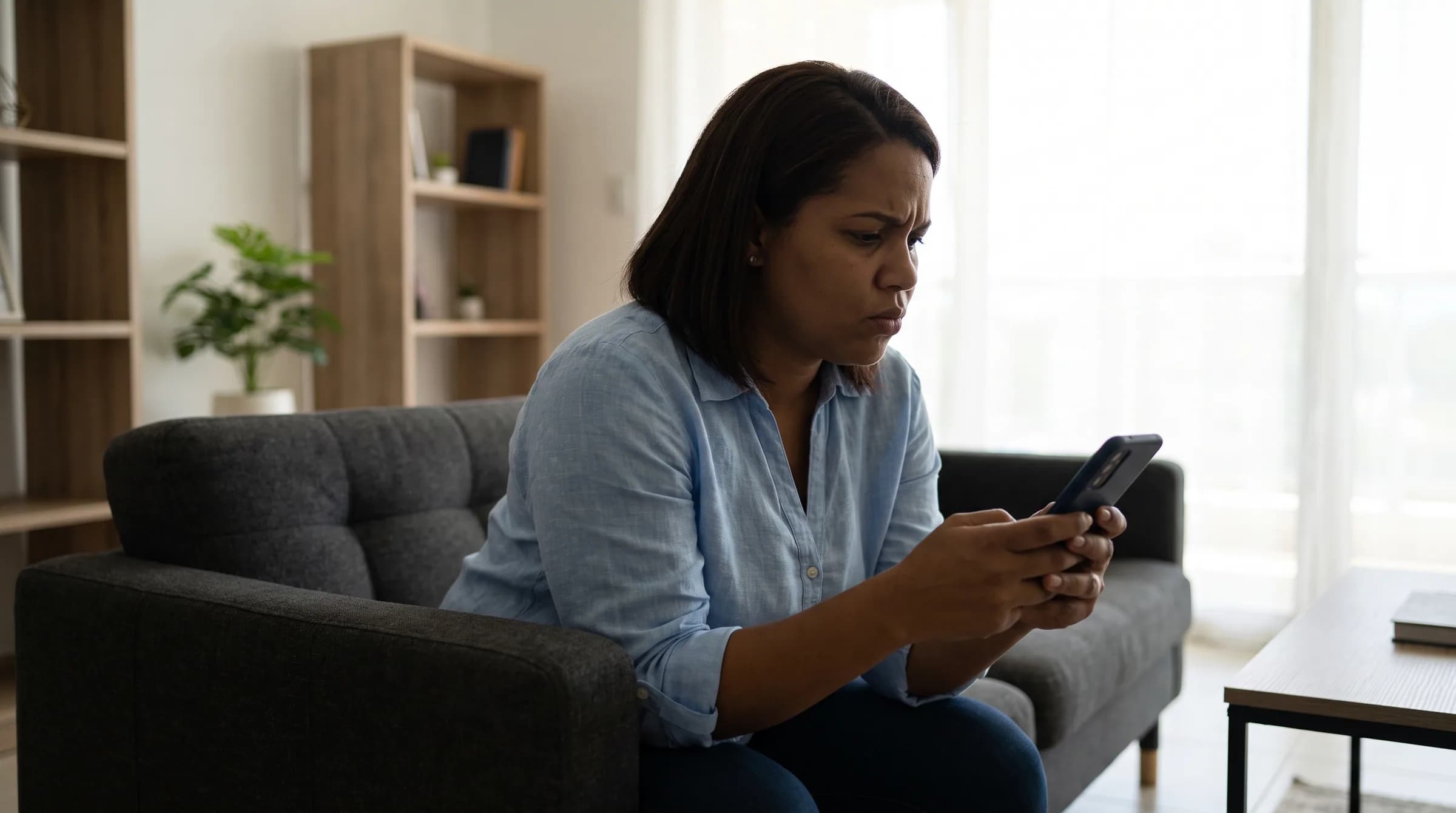
Carla had been apartment hunting in Santo Domingo Este for weeks when she found "the perfect opportunity": a 3-bedroom apartment in a prime area for US$75,000—nearly US$30,000 less than similar projects. Her first reaction was excitement, but that night she couldn't sleep wondering if something was wrong.
Carla's instinct wasn't off base. In the Dominican Republic's real estate market, suspicious prices are usually the first sign that something doesn't add up in a transaction. It's not about dismissing every opportunity—it's about knowing when an eye-catching price deserves a deeper look.
When Does a Price Stop Being an Opportunity and Become a Risk?
The line between a good opportunity and an expensive trap is thinner than you might think. Real estate market specialists in the Dominican Republic consider any price more than 10% below comparable properties in the same area to be suspicious.
Toca Timbre
Real listings. Verified agents. You decide, fear-free.
This doesn't mean every below-market offer is a scam. It means it warrants additional verification. A motivated seller, a project needing cash flow, or a developer liquidating inventory can offer genuinely attractive prices—but always with complete documentation and total transparency.
The Real Problem: Documentation That Doesn't Match
 The clearest sign that a suspicious price hides problems is in the documentation. When the price seems too good to be true, many buyers let their guard down and don't review the property's documents as rigorously.
This is exactly what those operating with problematic properties are looking for: excited buyers who don't verify whether the Title Certificate is current, whether it matches the physical property they're viewing, or whether the person selling actually has the authority to do so.
In the Dominican Republic, where the Torrens system allows you to verify titles directly at the Registry, there's no excuse for buying without confirming documentation is in order. If someone offers an attractive price but resists showing the original title or updated certification of liens and encumbrances, that's your definitive signal to stop.
A Real Scenario: Numbers That Don't Add Up
Let's look at Carla's case. In Santo Domingo Este, the median price hovers around US$183,000 for standard apartments. A legitimate project in an accessible area can offer units from US$85,000 to US$120,000, especially if it's under construction or in a developing location.
But a finished apartment in a consolidated area with amenities for US$75,000 requires explanation. Legitimate reasons could include:
- Pre-sale project with staggered payments during construction
- Unit with limited views or on a less desirable floor
- Developer liquidating remaining units to close a phase
- Apartment needing renovation or updates
Problematic reasons include:
- Titles with legal issues or hidden mortgages
- Projects without proper construction permits
- Sellers without legal capacity to dispose of the property
- Hidden costs that will appear after the contract
How to Turn Suspicion Into Systematic Verification
The anxiety that comes with finding a "too good to be true" price becomes clarity when you follow an organized verification process:
Step 1: Market Comparison
Review at least 5 similar properties in the area to confirm whether the price is truly outside the normal range.
Step 2: Complete Documentation
Demand to see the original Title Certificate, updated certification of liens and encumbrances, and property survey. Everything must match the physical property.
Step 3: Seller Verification
Confirm that the seller has legal capacity. If it's a corporation, verify who has authority to dispose of the property.
Step 4: Professional Review
An independent attorney should review all documentation before you sign any contract or transfer money.
Step 5: Agent Verification
If an agent is involved, confirm their current certification with the Real Estate Business Association (AEI) and their updated RNC.
Behavioral Red Flags That Confirm Your Suspicions
Beyond price and documents, the behavior of those selling reveals a lot about how legitimate the offer is:
- Artificial time pressure: "This offer expires tomorrow" without technical justification
- Resistance to legal review: Discouraging you from having an attorney review contracts
- Incomplete documentation: Only showing copies, photos, or blurry documents
- Vague on costs: Not clearly explaining what's included in the price and what generates additional fees
- Lack of professional transparency: Not providing certifications, RNC, or verifiable references
These signals, combined with a suspiciously low price, confirm it's time to walk away or at minimum bring in professionals before moving forward.
Why Starting the Process Right Matters
What Carla experienced that sleepless night is normal: your intuition works. When something seems too good to be true in real estate, there's usually a reason. The problem isn't being distrustful—the problem is not having a clear system to verify your suspicions.
In a market where real opportunities coexist with problematic offers, the difference lies in starting your search process with the right tools. This includes understanding realistic price ranges for each area, knowing what documentation to demand, and learning how to verify the seriousness of those selling.
An attractive price doesn't have to cause anxiety if you have an organized process to verify its legitimacy. The key is turning initial excitement into systematic verification, keeping your mind open to real opportunities while protecting yourself against avoidable risks.
If you're starting your apartment search and want to explore options with greater clarity from the start, Toca Timbre is an app where you can view properties posted by agents and contact them directly via WhatsApp to ask the right questions from your first interaction: Toca Timbre
Frequently Asked Questions
What percentage below market is considered suspicious?
Any price more than 10% below comparable properties in the same area warrants additional verification. This doesn't mean it's fraudulent, but it does mean you should review the documentation and reasons for the price more carefully.
How can I verify if a property title is legitimate?
In the Dominican Republic, the Torrens system allows you to verify titles directly at the Title Registry. You must demand to see the original Title Certificate, updated certification of liens and encumbrances, and confirm that all information matches the physical property and the person selling it.
What should I do if I find a very attractive price but the seller pushes me to decide quickly?
Time pressure without technical justification is a red flag. A legitimate seller will allow reasonable time to verify documentation with an independent attorney. If there's resistance to this process, it's better to walk away from the deal.
Sources
- Real estate tourism in DR: real opportunities vs dangerous scams
- Red flags in property titles Dominican Republic
- Caribbean Real Estate Due Diligence
- What to verify before sending money to a real estate agent
- How to avoid scams and fraud in real estate investments in the Dominican Republic
- How to choose a trustworthy real estate agent in DR
- Where housing is most expensive in Greater Santo Domingo
- Mortgage loans in DR