Importing a Car vs. Buying an Apartment in the Dominican Republic
5 de octubre de 2026 · 5 min min read
Discover why importing a car is so similar to buying your first apartment. The same mistakes, the same fears, but also the same solutions.
Why Importing a Car Is So Similar to Buying Your First Apartment in the Dominican Republic
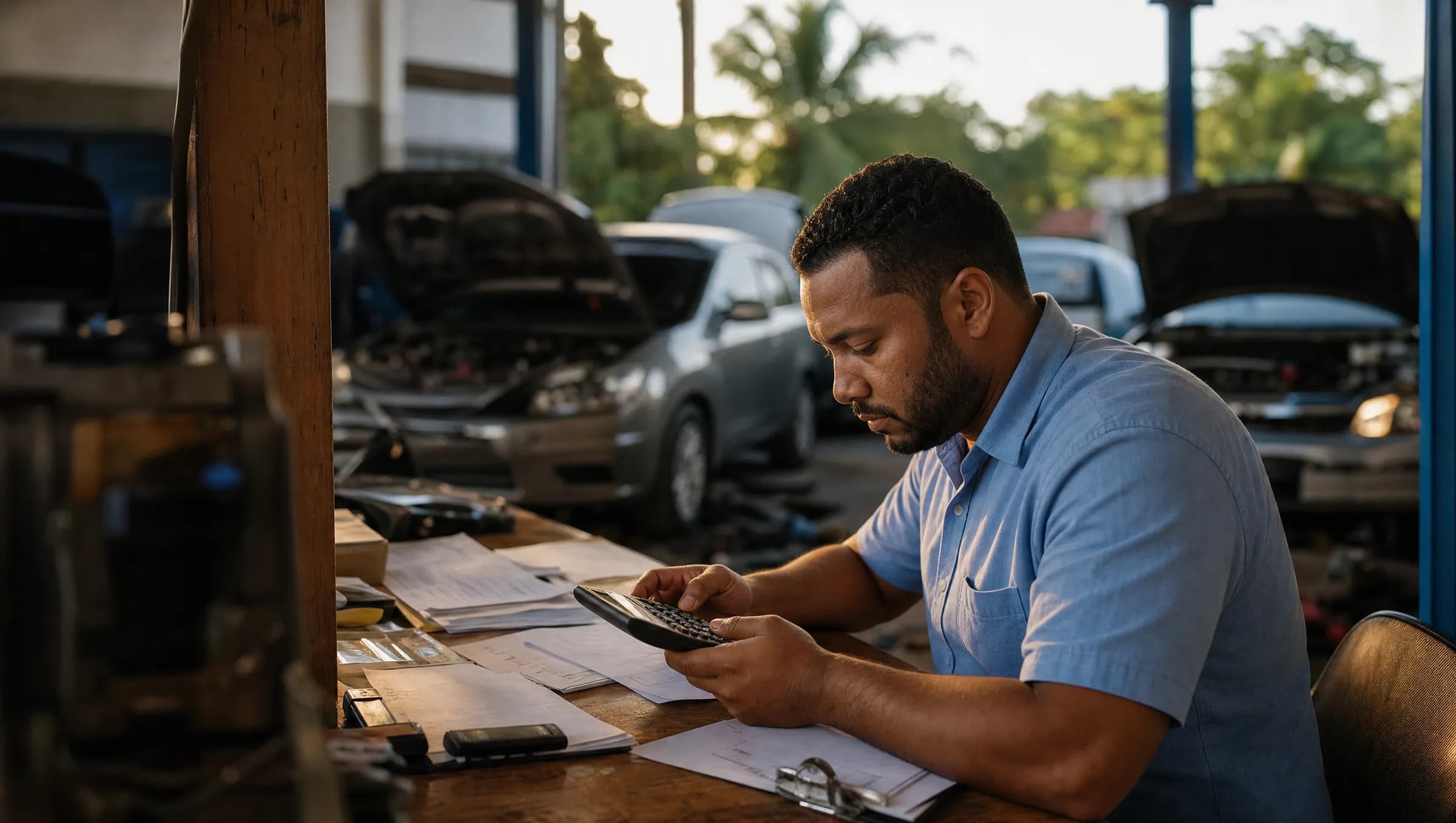
When Miguel decided to import his first car from the United States, he thought it would be simple: find the vehicle, pay, and wait for it to arrive. Three months later, with $4,000 more in taxes than he'd calculated and his car stuck at the port due to documentation problems, he realized he'd made exactly the same mistakes his sister made when buying her apartment the year before.
Vehicle importation to the Dominican Republic and buying your first home share something that few buyers understand at first: both are processes that require clarity, verification, and freedom from pressure. When you don't have these, the result is always the same: anxiety, unexpected expenses, and the constant feeling of "I'm going to get scammed."
The First Mistake: Not Understanding the Real Rules Before You Fall in Love
Miguel fell in love with a 2018 Honda Civic he found at an auction in the United States for $12,000. What he didn't know is that in the Dominican Republic you can only import vehicles that are maximum 5 years old, and that on top of that initial price he'd have to pay 20% tariff, 18% ITBIS, selective tax based on engine size, plus shipping, insurance, and customs clearance costs.
Toca Timbre
Real listings. Verified agents. You decide, fear-free.
The same thing happens with apartments. You fall in love with one that costs RD$4.5 million, but you don't calculate closing costs (2-3% of the value), transfer tax (3%), agent commission, lawyer fees, bank appraisal, and other costs that can easily add another RD$300,000.
In both cases, the common belief is that "the listed price is what I'm going to pay." That illusion creates the first emotional shock when you discover reality.
The Trap of Paying Before Verifying
 With his car, Miguel paid a deposit without checking that the title was free of liens or verifying the accident history on Carfax. When the vehicle arrived in Santo Domingo, he discovered it had a "salvage title" that complicated registration with the DGII.
The same thing happens with real estate: putting down a reservation without having a lawyer verify that the property has clean titles, is free of mortgages, and complies with all building permits. Many first-time homebuyers trust the seller's word because "they seem honest" or because they feel pressured that "another buyer is interested."
Verification isn't distrust of the person; it's protection of the process. A good car dealer will show you all documents. A good real estate developer will give you time to review the paperwork.
The Panic Moment: When You Don't Understand What's Happening
The call came on a Tuesday afternoon. The customs agent told Miguel that he needed additional documents that nobody had mentioned before, and that the car would continue accumulating storage costs at the port until it was resolved. Miguel didn't understand what documents, why they hadn't asked for them before, or how much longer the process would take.
First-time apartment buyers experience that same panic when the bank asks for documents they didn't know they needed, when they discover the condo has pending debts, or when they realize the title registration process could take months longer than expected.
The panic doesn't come from the process itself, but from not understanding what comes next. When you don't have a clear sequence of steps, every phone call becomes a potential bad surprise.
The Solution: A Structured Process Reduces Anxiety
Vehicle importation to the Dominican Republic has a logical sequence that, when followed, eliminates most surprises:
- Define your total budget: Use specialized calculators to estimate real taxes before buying
- Verify eligibility: Confirm year, engine size, and country of manufacture allowed
- Review documentation: Clean title, accident history, correct VIN
- Hire authorized professionals: Trusted shipping company and customs agent registered with DGA
- Follow the process: Bill of Lading, customs declaration, tax payment, final inspection
Buying an apartment has its own sequence:
- Define your real budget: Include all closing costs and emergency reserves
- Verify the property: Titles, permits, condo status
- Hire a lawyer: To review all legal documentation
- Financing process: If applicable, complete bank evaluation
- Closing: Deed signing and official transfer
In both cases, having the complete process map lets you ask specific questions, detect when something isn't following the normal sequence, and maintain control over your decisions.
The Power of Starting in the Right Place
Miguel eventually managed to bring his car, but he paid an extra $2,000 in storage fees and had to hire a second customs agent because the first one wasn't properly authorized. His mistake wasn't wanting to import a vehicle; his mistake was not structuring the process from the beginning.
The same applies to real estate. Where you start your apartment search determines everything that comes after. If you start with agents who don't explain the full process, with developers who don't have clear documentation, or with platforms that don't give you transparent information, you'll be building your purchase on unstable foundations.
Today there are digital tools that organize property searches with the same clarity Miguel needed to import his car: complete information, transparent process, and direct access to verified professionals.
If you look for clear procedures and verifiable documents when bringing in a vehicle, why would you accept less when buying your apartment? Peace of mind doesn't come from getting lucky; it comes from having a process.
If you're considering buying your first apartment, Toca Timbre is an app where you can explore properties posted by real estate agents and contact them directly via WhatsApp. It doesn't verify titles or handle transactions, but it helps you start your search with greater clarity about available options in the market. You can download it here: Toca Timbre
Frequently Asked Questions
How much does it really cost to import a car to the Dominican Republic?
Beyond the vehicle price, you need to calculate 20% tariff, 18% ITBIS, selective tax based on engine size (which can range from 15% to 25%), plus shipping, insurance, customs agent, and first license plate. In total, taxes and costs can represent between 50% and 70% additional to the car's value. Always use specialized calculators before buying.
What documents do I need to verify before importing a vehicle?
A clean title (without liens), bill of sale, certificate of origin, accident history (Carfax), and verify that the VIN matches on all documents. Also confirm that the year and engine size comply with Dominican regulations. Never pay until you have all this documentation verified.
How is buying an apartment similar to importing a car?
Both processes require clarity about total costs, exhaustive document verification, and authorized professionals to guide each step. In both cases, paying before verifying or not understanding the process sequence generates anxiety and unexpected expenses. The key is structuring the process from the beginning.
Sources
- Contadores Dominicanos — https://contadoresdominicanos.com/blog/aduanas/importar-vehiculos-a-republica-dominicana/
- Cuanto Me Cuesta — https://cuantomecuesta.com/rd/importacion-vehiculo-aduanas/
- ImportRD — https://importrd.do/guias/importar-un-vehiculo-a-republica-dominicana
- Dirección General de Aduanas — https://www.aduanas.gob.do/preguntas-frecuentes/
- Dominican Real Estate — https://www.dominican.realestate/proceso-de-compra
- Ubikarros — https://ubikarros.com/guias/impuestos-importar-vehiculo-republica-dominicana/