Importing a car vs. buying an apartment: the 3 mistakes that cost you thousands
25 de octubre de 2026 · 5 min min read
Importing a vehicle and buying your first apartment share the same costly mistakes. Discover how to avoid financial headaches with an organized process.
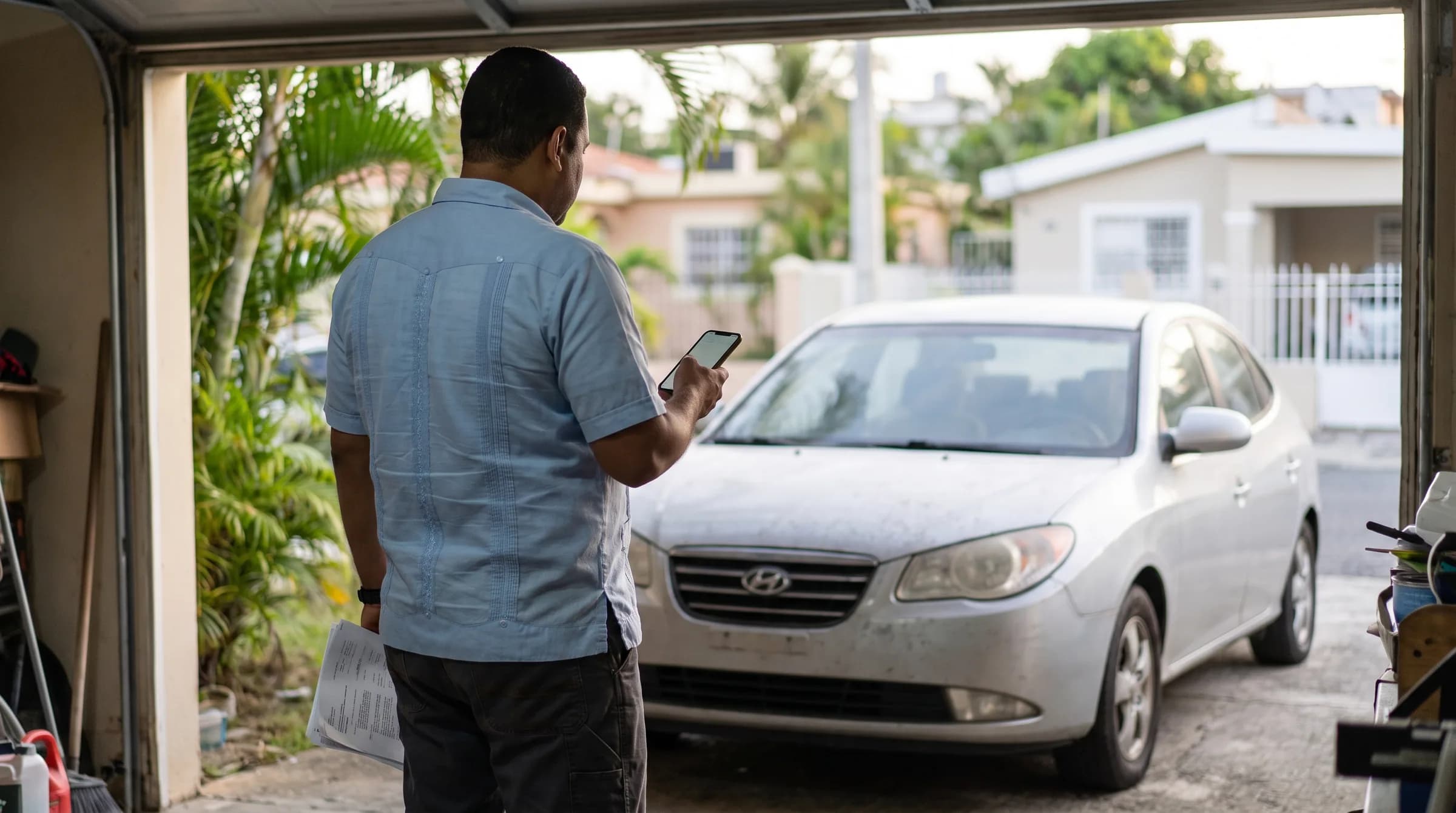
When you decide to import a car to the Dominican Republic for the first time, you probably don't imagine how much that process resembles buying your first apartment. Both are major financial decisions where a small calculation error can cost you thousands of dollars extra, and where unclear thinking upfront turns into constant anxiety throughout the entire process.
Most Dominican buyers make exactly the same three fundamental mistakes in both cases: not understanding the real costs from the start, paying before verifying documentation, and not structuring the process with trusted professionals.
The first mistake: not calculating the real costs
Carlos spotted a 2020 Toyota Corolla at a Miami auction for US$18,000 and thought he'd found the deal of a lifetime. What he didn't calculate were the Dominican taxes: 20% tariff, 18% ITBIS, selective consumption tax, plus freight, insurance, and customs broker costs. His "bargain" of US$18,000 ended up costing him almost US$28,000.
Toca Timbre
Verified properties, certified agents. You just decide.
The same thing happens with apartments. You see a price of RD$4.5 million and mentally convert it to your budget, without considering closing costs: transfer taxes (3% of value), attorney fees, appraisal, title registration, and commissions. An apartment priced at RD$4.5 million can require an additional RD$200,000 to RD$300,000 just in closing costs.
The rule is the same in both cases: the price you see is never the price you pay. When importing vehicles, the final cost is calculated on the CIF value (cost, insurance, and freight), and all taxes apply to that base. In real estate, beyond the purchase price, you need to budget an additional 4% to 6% in closing costs.
The second mistake: paying before verifying
 With car imports, the universal advice is never to pay until you verify the title is lien-free, the history shows no major accidents, and all documents are in order. Yet many first-time buyers pay deposits or even the full amount based only on photos and the seller's word.
The exact same thing happens with apartments. The excitement of finding "the perfect property" leads many buyers to put down significant deposits without verifying that titles are clean, that the condominium is current on its obligations, or that building permits are in order.
Document verification isn't paranoia—it's financial protection. A car with a salvage title can be rejected at customs or lose significant value. An apartment with title issues can create legal complications that take years to resolve.
How importing a car to the Dominican Republic teaches you about real estate
The vehicle import process has very defined steps that apartment buyers should mirror:
Pre-purchase verification: Before buying, you confirm the vehicle year complies with Law 04-07 (maximum 5 years for passenger cars), you review the country of manufacture to take advantage of agreements like DR-CAFTA, and you verify that the vehicle type is permitted under Dominican regulations.
Tax calculation: You use specialized calculators to simulate the total cost, including all tariffs and selective consumption tax that varies based on engine displacement.
Professional selection: You choose a trusted shipping company and a customs broker officially licensed with the General Customs Directorate, verifying their credentials and demanding itemized quotes.
Complete documentation: You don't move forward until you have a clean title, invoice, Bill of Lading, and all legalized documentation.
This same structured approach works for buying apartments: verify zoning and permits, calculate all costs including closing expenses, select an attorney specialized in real estate, and don't sign contracts until you've thoroughly reviewed the property documentation.
The third mistake: not having a clear process
The anxiety someone feels when their car "is stuck at the port" is identical to what someone experiences when they don't understand what stage their apartment purchase is at. In both cases, lack of clarity about next steps creates the constant feeling of "they're going to rip me off."
A well-structured process eliminates that anxiety. With vehicle imports, you know that after the ship arrives comes the Single Customs Declaration (DUA) filing, then tax payment, then physical inspection, and finally vehicle pickup. Each step has an estimated timeline and clear requirements.
With apartment purchases, the sequence should also be predictable: property inspection, purchase offer, earnest money deposit, legal verification period, final contract signing, and title transfer. When you know the complete route, each stage generates less stress.
The lesson that changes everything
Both importing a vehicle and buying your first apartment are processes that require patience, verification, and trusted professionals. The difference between a successful experience and a financial nightmare isn't luck—it's following an organized process that prioritizes clarity over speed.
When you understand how similar these processes are, you can apply the same meticulous mindset you'd use to bring a car from the United States to the decision of buying your home in the Dominican Republic.
If you're considering buying your first apartment and want to start with the same level of clarity and order that importing a vehicle requires, you can explore available options in the Dominican market through platforms that connect buyers with verified agents. Toca Timbre is an app where you can see properties posted by different agents and contact them directly via WhatsApp to begin your process with transparency from the first contact: Toca Timbre
Frequently asked questions
How much does it really cost to import a car to the Dominican Republic?
Beyond the purchase price, you must calculate 20% tariff, 18% ITBIS, selective consumption tax (which varies by engine displacement), freight costs, marine insurance, customs broker, and port charges. In total, taxes and fees can represent 45% to 60% additional on the vehicle's CIF value. A car that costs US$20,000 can end up costing you between US$29,000 and US$32,000 once the process is complete.
What documents do I need to verify before buying a car to import?
It's essential to check that the title is lien-free, obtain accident history (Carfax or similar), verify that the VIN matches across all documents, confirm the country of manufacture, and make sure the vehicle year complies with Dominican restrictions (maximum 5 years for passenger cars). You'll also need the original invoice, Bill of Sale, and all legalized documentation to present to customs.
How long does the complete import process take?
From purchase to having the vehicle in your hands, the typical process takes between 4 and 8 weeks. This includes document preparation (1-2 weeks), ocean transit time (1-2 weeks), customs procedures (1-2 weeks), and final steps like license plates and registration (1 week). The most common delays occur due to incomplete documentation or problems with customs inspection.
Sources
- Contadores Dominicanos — https://contadoresdominicanos.com/blog/aduanas/importar-vehiculos-a-republica-dominicana/
- Dominican Real Estate — https://www.dominican.realestate/proceso-de-compra
- Cuánto Me Cuesta — https://cuantomecuesta.com/rd/importacion-vehiculo-aduanas/
- ImportRD — https://importrd.do/guias/importar-un-vehiculo-a-republica-dominicana
- UbiKarros — https://ubikarros.com/guias/impuestos-importar-vehiculo-republica-dominicana/
- Dirección General de Aduanas — https://www.aduanas.gob.do/preguntas-frecuentes/
- MGR Auto Transport — https://www.mgrautotransport.com/es-co/new-page03ec6654
- Auto4Export — https://www.auto4export.com/es/blog/how-to-export-cars-from-the-usa-to-the-dominican-republic