Is It Safe to Live in Samaná? Data and Resident Perspectives
28 de noviembre de 2026 · 7 min min read
Is it safe to live in Samaná? Learn which data to check, what residents can tell you, and how to evaluate a neighborhood before you buy. Keep reading.
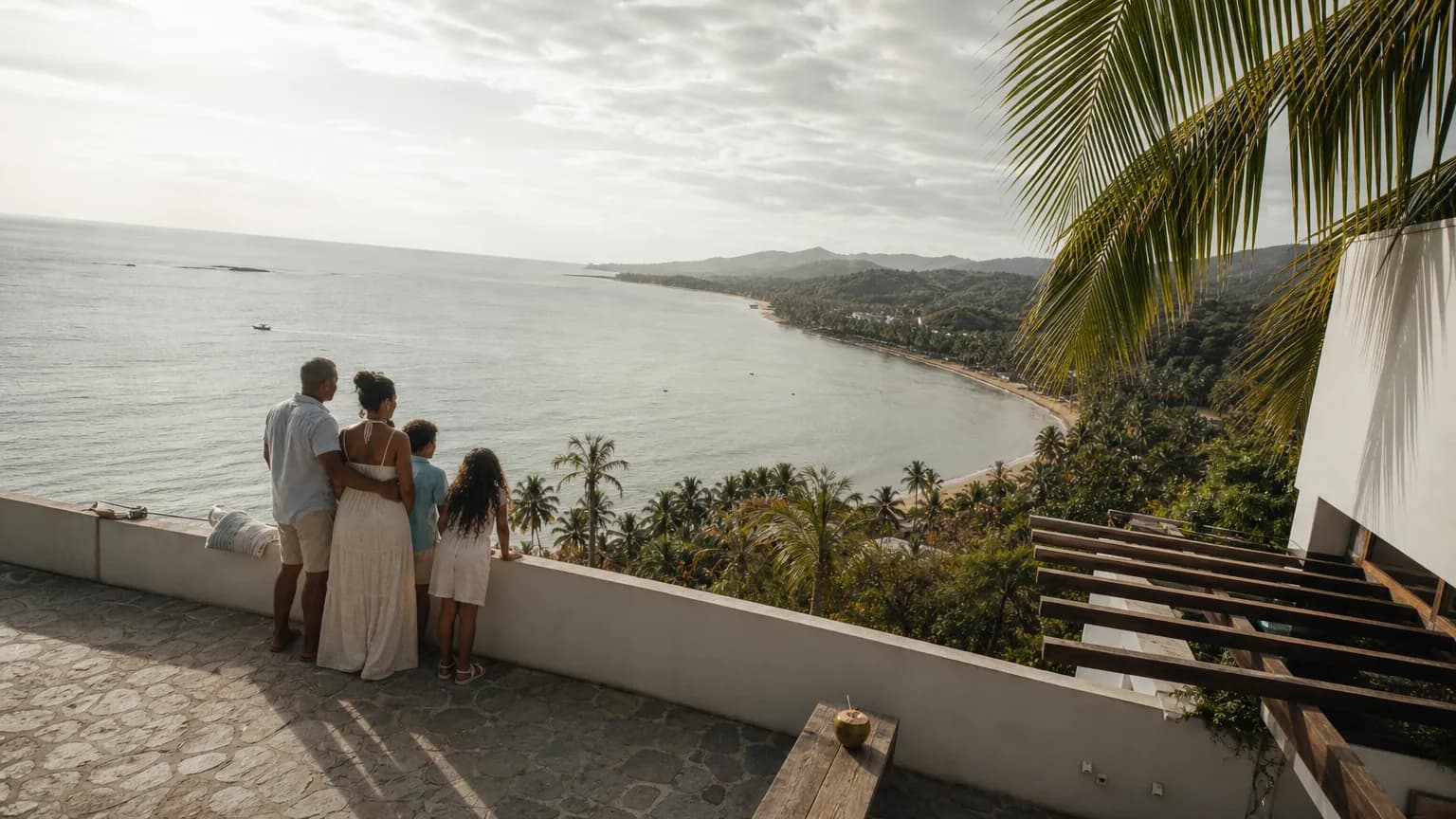
If you're thinking about living in Samaná, it's natural for the first question to be whether it's a safe place. Especially if you're buying from outside the country, where everything you know arrives through a video, a relative, or an ad. The question is reasonable, but it rarely has a one-line answer.
This article doesn't aim to convince you of anything or give you a verdict. It's meant to clarify what "safe" means, what data exists, what people who already live there can offer, and how to separate useful information from sales pressure. That distinction matters in a market where a lot of information circulates without much order.
What "safe" means when you talk about Samaná
The word "safe" combines several different questions:
Toca Timbre
Verified properties, certified agents. You just decide.
- Public safety: theft, violence, police presence.
- Safety from the environment: rain, flooding, hurricanes, road conditions.
- Safety in the purchase: whether the property has a clear title and whether the seller is who they say they are.
- Everyday safety: access to healthcare, water, electricity, and transportation.
Samaná isn't a single place. Santa Bárbara de Samaná, Las Terrenas, Las Galeras, and Sánchez each have different dynamics, densities, and services. That's why a phrase like "Samaná is calm" or "Samaná is dangerous" tells you very little. What's useful is the answer for each neighborhood, and sometimes for each street.
What the data says (and what it can't say)
 The sources for this article don't include crime figures for Samaná, so I won't make up percentages or compare it with other provinces. The honest approach is to explain what kinds of data exist and how to read them:
- Official public safety statistics, which are usually published at the provincial or municipal level. A province-wide average won't tell you what the neighborhood where you'd live is like.
- Trends over time, which are more useful than an isolated figure. A number without context about population, tourist season, or comparison year is easy to misread.
- Information about natural hazards, which in a coastal and mountainous area matters as much as public safety. We cover this in more detail in natural hazards when buying property in the DR: flooding, hurricanes, and earthquakes.
Data gives you a general framework. It won't tell you what happens on the street where your home would be, or whether access becomes difficult during the rainy season.
What residents say: useful, but with limits
Residents offer what no statistic captures: whether it feels calm at night, what the neighborhood is like, what happens when it rains hard, whether transportation is reliable, or what daily life actually costs. It's worth listening to them.
But keep a common misconception in mind: "if my cousin or an acquaintance says it's safe, that's proven." A testimony is an experience, not a sample. Someone living in a tourist area has a different home, schedule, and routine than someone living in a more remote neighborhood. And a relative's opinion about the area doesn't replace checking who the owner is or reviewing the property's legal status.
The most solid approach is to cross-check: talk to several residents with different profiles, compare what they say with the data, and with what you see on a visit.
A moment many buyers recognize
Picture Carla, a Dominican woman in New York, who has spent months looking at houses in Las Terrenas. A relative tells her that "everything is calm over there." A video shows her a beautiful house. One day she gets a message: "There's another buyer, deposit today or it's gone."
Carla feels a knot in her stomach. She doesn't know whether the neighborhood is as calm as she's been told, or whether the price includes closing costs. She also doesn't know who the house truly belongs to. She realizes she's being asked to decide about a place she doesn't know, based on information she hasn't been able to verify.
That unease isn't a flaw in her. It's a logical reaction to a process where urgency arrives before information.
How to evaluate whether it's safe to live in Samaná, step by step
A reasonable order for moving from the general to the specific:
- Define what kind of safety you need. A vacation rental is not the same as a home for year-round living with family.
- Choose the neighborhood, not just the province. Compare areas individually, with their access roads and services. This is the same approach we describe in how to evaluate whether a neighborhood is safe before you move, although it's about a different city.
- Cross-check data and voices. Review official statistics and talk to several residents, not only the person presenting the property.
- Ask about the physical environment. Drainage, the condition of the access road, proximity to ravines or the coast, and what happens during heavy rain.
- Verify the property separately. Before handing over any money, ask for the Certificate of Title and a Certification of the Legal Status of the Property from the Registry of Titles, as provided for under Law 108-05. It's best for an attorney who is independent of both the seller and the agent to review it.
- Cross-check tax and cadastral data. The DGII property certificate can provide information such as the title number, the cadastral designation, and any outstanding tax debts.
Each step answers a different question. None of them replaces the others.
If you're buying from abroad: separate what you're told from what you can verify
People buying from a distance often mix three things: what family tells them, what a video shows, and what can be confirmed with documents. A video shows the facade and the apparent condition, but it doesn't reveal who the owner is or whether there are mortgages, liens, or lawsuits.
Some practices that help:
- Ask for the full name of the seller and the agent, with a verifiable office and contact information.
- Request a live video call that shows the property and its surroundings.
- Compare the address with digital maps and satellite imagery.
- Confirm that the seller's name matches the registered owner.
If a recording looks edited, the photos repeat, or they don't want to do a live stream, the prudent move is to pause, not to assume the worst.
Signs of an agent who doesn't pressure you with fear
You can also learn a lot from how the person presenting the area talks to you. An agent who works calmly can explain which neighborhood the property is in, what the area is like, what the total price is, what it includes, what additional costs apply, and what happens if the transaction doesn't move forward. If they don't know an answer, they say so and commit to confirming it.
Red flags include countdown timers, "deposit now" without a contract, pressure to transfer money before you've seen documents, resistance to having a lawyer involved, or vague answers about costs and refunds. We go deeper into the difference between an informal and a formal reservation in option contract vs. holding a property via WhatsApp. Urgency can sometimes be real, but it should be demonstrable and should never replace documentation or your time to ask questions.
A closing thought
Asking whether it's safe to live in Samaná is a well-founded question. The answer doesn't live in a headline or in a single testimony. It's built from data by neighborhood, resident perspectives, checks on the surroundings, and an independent review of the property.
The problem is rarely the buyer who hesitates. It's usually a market where information arrives disorganized and mixed with pressure. Taking the time to separate what you know from what you're told is a way of looking after yourself, not a way of slowing down.
If you're just starting to explore, Toca Timbre is an app where buyers can view properties listed by agents and contact them directly via WhatsApp. You can check it out at Toca Timbre and explore the market with more clarity, at your own pace and with your own questions.
Frequently asked questions
Is it safe to live in Samaná for a family?
It depends on the neighborhood, the type of home, and what each family considers safety. Samaná includes areas with very different dynamics, so a general answer would not be reliable.
The most useful steps are reviewing official statistics, talking to several residents, and visiting the area at different times of day. It's also worth considering access to healthcare, water, electricity, and how the area behaves during the rainy season.
How can I tell whether a neighborhood in Samaná is calm if I live outside the country?
Combine sources: official data, conversations with residents of different profiles, digital maps, and a live video call on location. Don't rely only on an edited video or the opinion of a single person.
If possible, ask someone you trust to visit the area for you, and have an independent attorney review the property's legal status.
What documents should I ask for before buying in Samaná?
At a minimum, the Certificate of Title and a recent Certification of the Legal Status of the Property, issued by the Registry of Titles. They help confirm ownership, mortgages, liens, or objections. The DGII property certificate can complement them with cadastral and tax information.
Also ask for the identity of the seller and the agent, and make sure any reservation is documented in writing before you transfer money.
Sources
On Toca Timbre
- Natural hazards when buying property in the DR: flooding, hurricanes, and earthquakes
- Living in Santiago: 3 neighborhoods that won't break your budget
- Option contract vs. holding a property via WhatsApp in the Dominican Republic
External references