Living in Santiago: 3 Neighborhoods That Won't Break Your Budget
18 de junio de 2026 · 5 min min read
Discover where to live in Santiago without overspending and how to assess if a neighborhood is safe before moving. Practical guide with real prices.
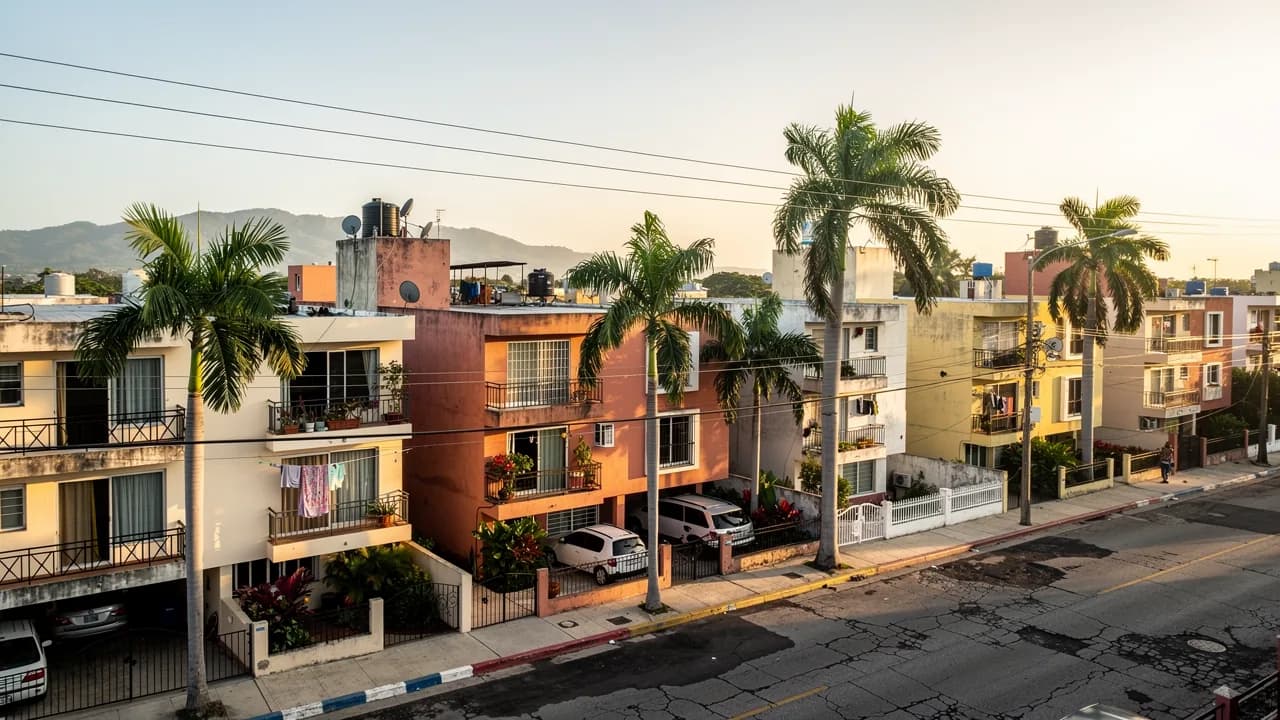
Living in Santiago: 3 Neighborhoods That Won't Break Your Budget
Carla has been searching for an apartment in Santiago for two months. She's seen offers in Villa Olga that excite her until she sees the price: US$1,800 per square meter. She also found cheaper options, but when she asks about the area, faces change. "Better look somewhere else", they tell her.
This is the reality for many buyers in Santiago: stuck between neighborhoods that are too expensive and areas that raise questions. The problem isn't a lack of options, but a lack of clear information about where your money is really worth investing.
The Trap of Extremes in Santiago

Toca Timbre
Propiedades reales. Agentes verificados. Tú decides sin miedo.
A common belief is that in Santiago only two options exist: expensive premium neighborhoods or cheap problematic areas. This oversimplified view makes many buyers overpay for "safe" locations or dismiss areas that could be perfect for their budget.
The reality of the Santiago real estate market is more nuanced. Recent data shows that consolidated residential zones like Los Jardines and La Trinitaria move between US$1,100 and US$1,800 per square meter, while more remote areas like Gurabo or Pekín can reach up to US$800 per square meter.
This price difference doesn't always reflect proportional differences in quality of life, safety, or access to services.
Three Real Neighborhoods for Medium Budgets
Los Jardines Metropolitanos and Jardines del Sur
These neighborhoods represent the balance between established reputation and moderate prices. They sit in the middle range of the Santiago market, with apartments typically renting between US$450-650 monthly depending on size.
Why they work: They're established residential neighborhoods with a good mix of families and professionals. They have relatively easy access to supermarkets, schools, and medical services without being in the downtown chaos.
The important detail: They're not the cheapest. You pay a premium for stability and services, but it's less than exclusive zones.
Villa Olímpica and Corona Plaza
These neighborhoods frequently appear in conversations among Dominicans looking for affordable alternatives without sacrificing basic safety. Their somewhat peripheral location keeps them out of the highest price range.
Why they work: Better space-to-price ratio. You're more likely to find 2-3 bedroom apartments in the US$350-500 monthly range. The environment is predominantly residential with local families.
The important detail: Services are less concentrated. It may mean more travel for certain schools or medical centers.
Non-Premium Sectors of Gurabo
The Gurabo area includes both exclusive sectors and more accessible zones. The non-premium parts offer the opportunity to get more square meters for the same budget.
Why they work: With prices reaching up to US$800 per square meter, they represent the best opportunity for families prioritizing space. Some areas maintain good reputation among local residents.
The important detail: Greater distance to work centers and dependence on transportation. Urban quality can vary by specific street.
How to Assess Safety Without Living There
The anxiety about safety is understandable, but there are systematic ways to reduce uncertainty before physical visits.
Analyze the Urban Environment
The Dominican Republic shows strong territorial segregation of risk. Centered and consolidated neighborhoods typically have better protection than informal or peripheral settlements.
Positive signals to identify:
- Presence of formal commerce (supermarkets, pharmacies, banks)
- Good lighting on main streets
- Clear connectivity with main avenues
- Proximity to critical services (hospitals, police stations)
Use Digital Tools
Before scheduling visits, review online maps to identify:
- Access and exit routes
- Distance to your workplace
- Location of essential services
- Traffic patterns at different times
Validate with Local Sources
Resident forums and neighborhood Facebook groups typically reveal practical information about daily life, common problems, and basic service quality.
The Real Evaluation Process
When Carla finally organized her search, she followed this order: first she identified three candidate neighborhoods based on prices and location. Then she researched each using digital tools and conversations with acquaintances. Only after that did she schedule physical visits.
This sequence saved her time and money. Instead of seeing 15 random properties, she concentrated efforts on 6 pre-filtered options in neighborhoods she'd already validated.
The key moment came when she visited an apartment in Jardines del Sur. The price was 20% higher than the cheapest she'd seen, but the difference in nearby services, street lighting, and overall sense of order justified the additional cost for her lifestyle.
The Decision Isn't Just Financial
Choosing where to live combines numbers, logistics, and feelings. The three neighborhoods mentioned offer concrete starting points, but the final decision depends on your daily routine, noise tolerance, and preferences about building type.
A medium budget in Santiago allows real options. The secret is not getting trapped by extremes and taking time to understand what each neighborhood really offers before deciding.
Housing search becomes clearer when you start with organized information instead of random offers. If you're considering moving to Santiago, tools like Toca Timbre can help you explore properties published by verified agents and contact them directly via WhatsApp to get specific information about each neighborhood. You can begin your search at: Toca Timbre
Frequently Asked Questions
What's the real rental price range in Santiago?
Rentals in Santiago generally range from US$350-750 monthly depending on neighborhood, size, and apartment conditions. Consolidated residential neighborhoods like Los Jardines tend toward the higher range, while peripheral areas like parts of Gurabo can offer options in the lower range. It's important to verify that the price includes maintenance and basic services.
How can I verify a neighborhood's safety before moving?
Combine three approaches: analysis of the urban environment (presence of formal commerce, lighting, connectivity), use of digital tools to review access and nearby services, and validation with current residents through local groups or forums. Visit the area at different times, especially at night, to observe people movement and street conditions.
Is it worth paying more for neighborhoods like Los Jardines versus cheaper options?
It depends on your routine and priorities. Consolidated neighborhoods offer greater stability, more concentrated services, and generally better urban maintenance. If you work downtown, value walking to basic services, and prioritize peace of mind, the extra cost can be justified. If you want more space and don't mind depending more on transportation, peripheral neighborhoods can offer better space-to-price ratio.
Sources
- Areas to Live in Santiago - Reddit Dominicans
- Accommodation in Santiago de los Caballeros - Expat.com
- Dominican Republic Real Estate Market: Prices per m² - El Caribe
- 5 Keys to Security Risk Evaluation - Tarlogic
- Citizen Security in the Dominican Republic - MEPYD
- Dominican Republic: Risk Assessments - White Jaguars
- Dominican Republic: Security Profile - WSO Security