Hidden Costs When Buying a Home in the Dominican Republic 2025
23 de octubre de 2026 · 4 min min read
Discover the taxes and fees that don't appear in the sale price. Learn the real cost of buying property in the DR and avoid surprises.
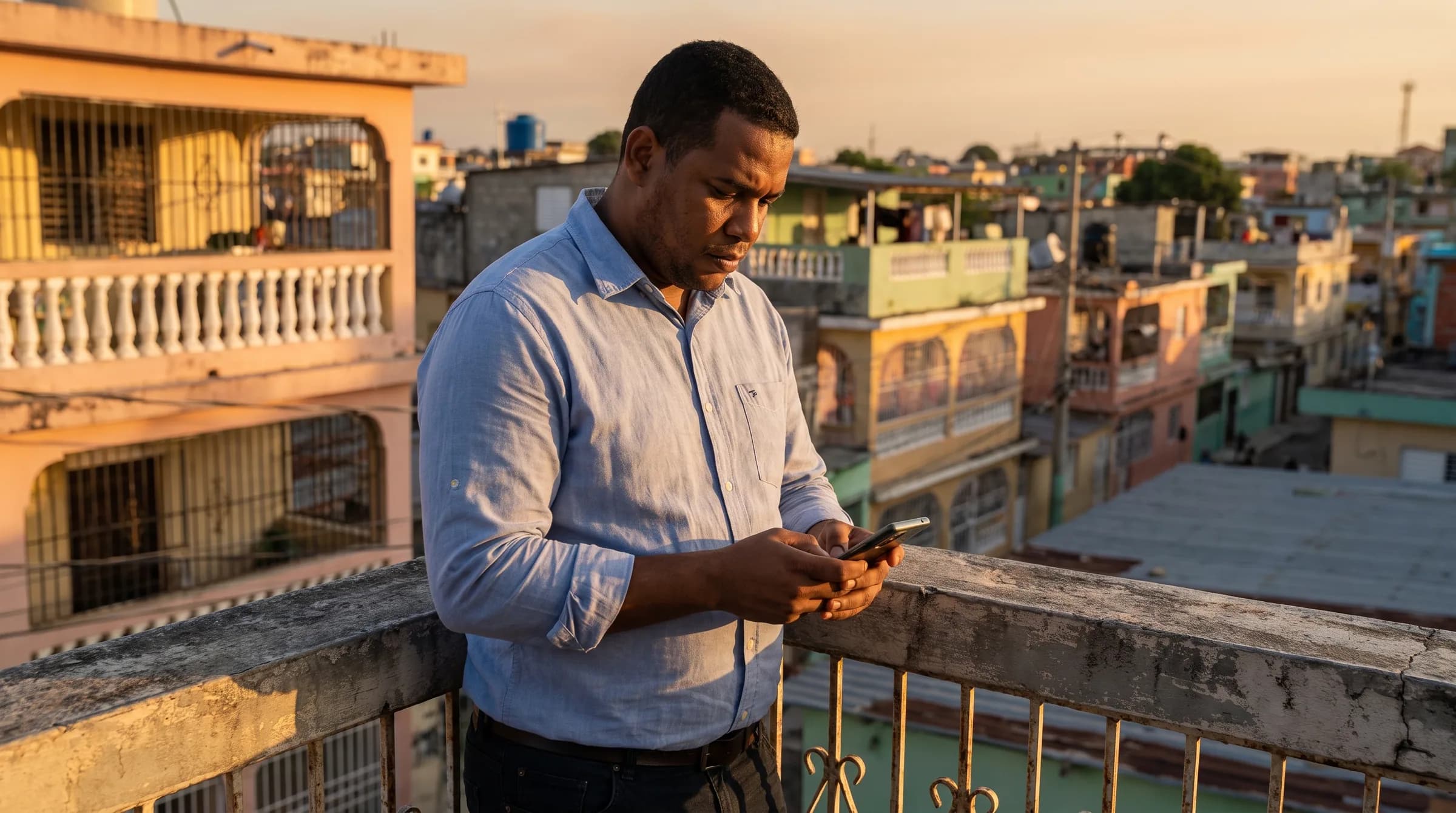
Hidden Costs When Buying a Home in the Dominican Republic 2025
Carlos had found the perfect apartment in Santo Domingo. The price seemed fair, he'd negotiated well, and he had the money ready. But when it came time to close the purchase, he discovered he needed 400,000 pesos in additional taxes and fees that nobody had mentioned.
This situation repeats constantly in the Dominican real estate market. Most buyers focus solely on the negotiated price, without considering that hidden costs when buying a home in the Dominican Republic exist and can significantly raise your initial investment.
The Problem of Incomplete Information
The common belief is that the price shown in the listing or negotiated with the seller is all you need to pay. This mistaken perception arises because many uncertified agents omit explaining additional costs, either out of ignorance or to make the initial offer more attractive.
Toca Timbre
Verified properties, certified agents. You just decide.
In the Dominican Republic, the real estate information system is still fragmented. There's no centralized database that automatically displays all costs associated with a purchase, leaving the buyer dependent on the intermediary's transparency.
The Taxes Nobody Mentions at First
 The Real Estate Transfer Tax (ITI) is the most significant cost you'll face when buying. This 3% tax is calculated on whichever is higher: the purchase price or the registered cadastral value.
Here comes the first surprise: if the property's cadastral value is higher than the negotiated price, you'll pay 3% on that higher value. For example, if you bought for 4 million pesos but the cadastral value is 4.5 million, the ITI will be 135,000 pesos, not the 120,000 you'd calculated.
Legal and notarization fees represent another considerable expense. Depending on the transaction's complexity, these can range between 50,000 and 150,000 pesos. There are also registration fees, certifications, and stamps, which add tens of thousands of additional pesos.
The Annual Cost Few Anticipate
Beyond the initial purchase, there's the Real Estate Asset Tax (IPI) for individuals. This is an annual 1% tax on the excess of real estate assets that exceed the current exempt threshold.
Many buyers, especially foreigners or those acquiring multiple properties, don't anticipate this recurring expense. If your real estate portfolio exceeds the established limit, you'll pay 1% annually on the excess.
Then there are the costs of condo maintenance, insurance, administration services, and repairs that vary depending on the project and location.
A Concrete Example of Real Cost
Let's imagine María buys an apartment for 3.5 million pesos in Santiago:
- Negotiated price: RD$ 3,500,000
- ITI (3%): RD$ 105,000
- Legal fees: RD$ 80,000
- Registration and certification fees: RD$ 35,000
- Total real cost: RD$ 3,720,000
The difference of 220,000 pesos represents more than 6% additional to the original price. For many buyers, especially those working with a tight budget, this difference can significantly complicate the transaction.
How to Get Complete Information From the Start
The key is asking the right questions from your first contact with any agent:
- What's the current cadastral value of the property?
- What additional taxes and fees should I consider?
- Are there recurring maintenance costs?
- Is the property under any tax incentive regime?
- Can I see the title certifications and liens and encumbrances?
Working with certified agents who understand these technical aspects is essential. A trained professional should be able to explain the total cost of the operation before you invest time and money in inspections or deposits.
The Importance of Initial Transparency
Where you start looking determines the quality of information you'll receive. If you begin with informal intermediaries or uncertified agents, you're likely not to get the complete cost picture until well into the process.
This not only generates financial stress but can lead you to make rushed decisions or abandon purchases you could actually afford if you'd planned correctly from the start.
Transparency in costs isn't just an advantage; it's a basic necessity for making informed decisions in the Dominican real estate market.
A Necessary Reflection
Buying a home is probably the most important financial decision you'll make. You deserve to have all the information from day one, not discover surprises after you've invested time and expectations in a specific property.
The Dominican real estate market is evolving toward greater professionalization and transparency, but it still depends heavily on your ability to ask the right questions and work with the right professionals.
When you have clarity on the real cost of buying, you can better plan your budget and negotiate from a stronger position. Complete information gives you control over your decision.
If you're beginning to explore the real estate market, consider using tools that connect you directly with verified and certified agents. Toca Timbre is an app where you can explore properties listed by agents with validated credentials and contact them directly via WhatsApp for complete information from your first contact: Toca Timbre
Frequently Asked Questions
How much should I add to the purchase price for additional taxes and fees?
As a general rule, consider between 5% and 8% additional to the negotiated price. This includes the 3% ITI, legal fees, registration and certification fees. The exact amount depends on the property's value and the transaction's complexity.
Does the Real Estate Asset Tax apply from the first property?
No. The IPI only applies when your total real estate portfolio exceeds the threshold established by DGII. If you only have one home of moderate value, you probably won't pay this tax. Check the current limits on the Finance Ministry website.
Can I negotiate for the seller to pay some of these costs?
Yes, it's possible to negotiate for the seller to assume some closing costs, especially in a buyer-favorable market. However, this must be agreed upon from the start and clearly reflected in the purchase agreement.