Hidden Costs When Buying a House: What Nobody Tells You in DR
17 de agosto de 2026 · 4 min min read
Discover the hidden costs that appear when buying a house in Dominican Republic and why a verified agent can save you money from the start.
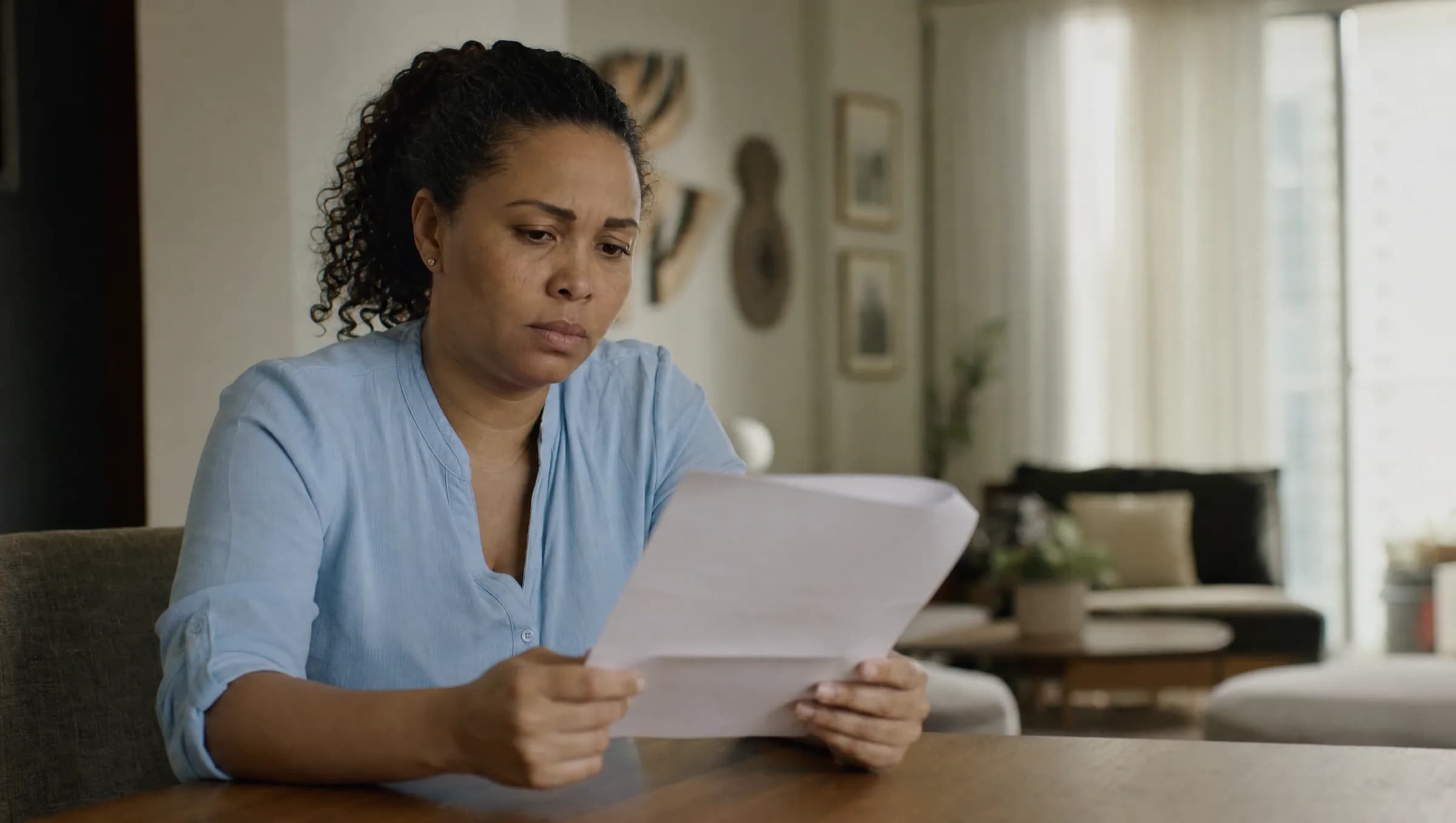
Hidden Costs When Buying a House: What Nobody Tells You in Dominican Republic
When Miguel found his ideal apartment in Santiago, the price seemed perfect for his budget. Three months later, between uncalculated taxes, unexpected legal fees, and document corrections, he'd spent an additional RD$180,000 he never anticipated. His story isn't unique in the Dominican real estate market.
The common belief is that the sale price is the only real cost when buying a property. This perception leads thousands of buyers to make decisions based on incomplete information, generating financial surprises that could have been avoided from the first conversation with the seller.
The hidden costs when buying a house in Dominican Republic that the market doesn't mention
In Dominican Republic, additional costs on top of purchase price can represent between 5% and 8% of the sale price. These costs don't appear in ads or get discussed in initial conversations, but they're mandatory to complete the transfer.
Toca Timbre
Propiedades reales. Agentes verificados. Tú decides sin miedo.
The real estate transfer tax equals 3% of the property's registered value. On a RD$3,000,000 property, this represents RD$90,000 paid once to the DGII during the transfer process. This tax is independent of the negotiated price and is calculated on the value appearing in the property title.
Notary and legal fees vary depending on operation complexity, but typically range between RD$50,000 and RD$150,000. They include preparation of the final contract, registry verifications, certificates of encumbrances, and guidance during signing at the Real Property Court.
When documentation creates unexpected costs
 In the informal Dominican market, where direct sales without verified agents abound, documentation problems become significant additional costs. Properties with incomplete successions, outdated titles, or unrevealed mortgage liens can force buyers to bear cleanup costs.
Carmen discovered the house she wanted to buy in Santo Domingo Este had a pending RD$120,000 succession debt. The seller hadn't mentioned it, and although legally not her responsibility, she had to renegotiate the price or look elsewhere after investing time and money in inspections and legal analysis.
These scenarios are frequent when documentary verification doesn't happen at the process's start. Title corrections, overdue tax payments, and processes to clear liens can add months to your purchase timeline and unforeseen costs.
The Real Property Tax that few calculate
Beyond unique transfer costs, there's the Real Property Tax (IPI), an annual tax applying to individuals with properties exceeding certain value thresholds or possessing multiple properties.
This tax affects future property owner cash flow, but rarely gets mentioned during negotiations. An investor buying a second property can face significant annual payments they never anticipated in their initial return analysis.
Why starting with a verified agent reduces these costs
A verified real estate agent provides transparency from the first contact, which helps anticipate and budget these hidden costs. Their role isn't just showing properties, but verifying documentation is in order before the buyer invests time and resources in a specific option.
This early verification avoids duplicating work, reduces exposure to poorly documented properties, and improves information quality from the start. In real estate, the highest costs rarely appear in the agent's commission; they usually emerge later when a purchase is delayed, renegotiated, or falls through due to problems that could have been identified upfront.
An agent with market knowledge can:
- Review the property's tax and registry situation before the first showing
- Confirm existence of pending liens or encumbrances
- Verify successions are properly concluded
- Calculate applicable taxes for the buyer in advance
- Guide on DGII timelines and possible deductions
- Provide a comprehensive budget including all supplementary costs
The difference between reactive and predictive in real estate costs
In the informal market, hidden costs appear reactively when there's already a problem. In an operation guided by verified agents, these costs are integrated from the start in the investment analysis, allowing informed decisions.
This difference isn't just legal security, but financial predictability. When Miguel repeated his purchase process two years later, this time with a verified agent, he could properly budget all additional costs and better negotiate payment terms.
A reflection on the starting point
Where you begin your property search determines the type of information you receive throughout the process. In a market where a bad decision can mean repeated procedures, extra fees, and costly renegotiations, upfront verification isn't a luxury—it's a long-term savings measure.
Clarity on real costs enables sounder financial decisions and avoids the stress of economic surprises during one of life's most important processes.
If you're considering buying property in Dominican Republic, tools like Toca Timbre can help you explore the market with greater clarity. The app connects buyers with verified agents, allowing you to contact them directly via WhatsApp and start your search with more transparent information from the first moment. You can explore available options at Toca Timbre.
Frequently asked questions
How much should I budget beyond the sale price of a property?
Local experts recommend budgeting between 5% and 8% additional to the sale price to cover taxes, registrations, lawyers, appraisals, and other acquisition-related charges. On a RD$3,000,000 property, this means between RD$150,000 and RD$240,000 in additional costs.
Does the buyer or seller pay the transfer tax?
The real estate transfer tax (3% of registered value) is normally paid by the buyer, but this can be negotiated between parties. It's important to clarify this point early in negotiations to avoid misunderstandings at closing.
How can I verify if a property has pending debts or liens?
You should request an updated certification of encumbrances and charges from the corresponding Real Property Court. This document shows whether mortgages, attachments, or any other liens exist on the property. A verified agent typically manages this verification as part of their service.