Buying Land in the DR: Tareas, Lots and What to Verify
6 de noviembre de 2026 · 2 min min read
How big is a tarea? What is the difference between a lot and a plot? A guide to buying land in the Dominican Republic without mistakes in measurements or paperwork.
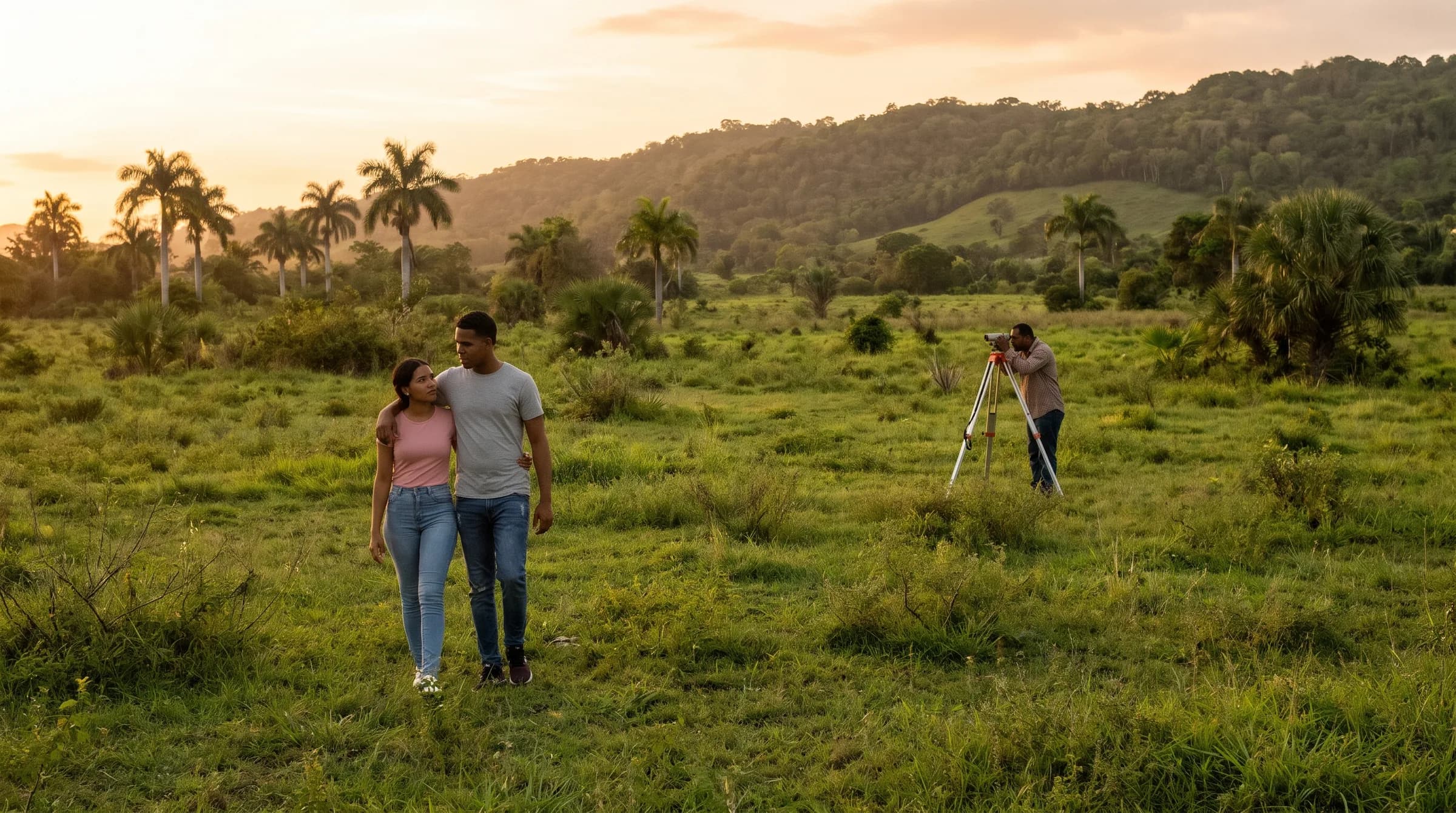
Don Ernesto wanted to buy land to build on. The ad said "30 tareas, good price." When he went to see it, the seller pointed to a fence and said "it goes up to here." Nobody had measured anything.
Buying land seems simpler than buying a house. In reality it has its own risks, and the first is understanding the measurements.
What a tarea is
In the Dominican Republic, rural land is very commonly measured in tareas. One tarea is approximately 629 square meters. If someone offers "30 tareas," that is about 18,870 m². Always ask for the size in square meters, which is what appears in official documents.
Toca Timbre
Verified properties, certified agents. You just decide.
A solar usually refers to an urban or smaller lot, and a terreno to a larger or rural plot. In ads they are used loosely, so what matters is what the title says.
First: the title and the survey
Many plots are sold as "a portion" of a larger parcel. That means the title says, for example, 100 tareas, and you buy 5 without those 5 being legally separated.
To get your own title for your portion you need a deslinde (a boundary survey process), a technical and legal procedure that takes time. Read what a deslinde is and how it differs from a title and whether you can buy without the deslinde finished.
Checklist before paying
- Title certificate and legal status report up to date, in the seller's name.
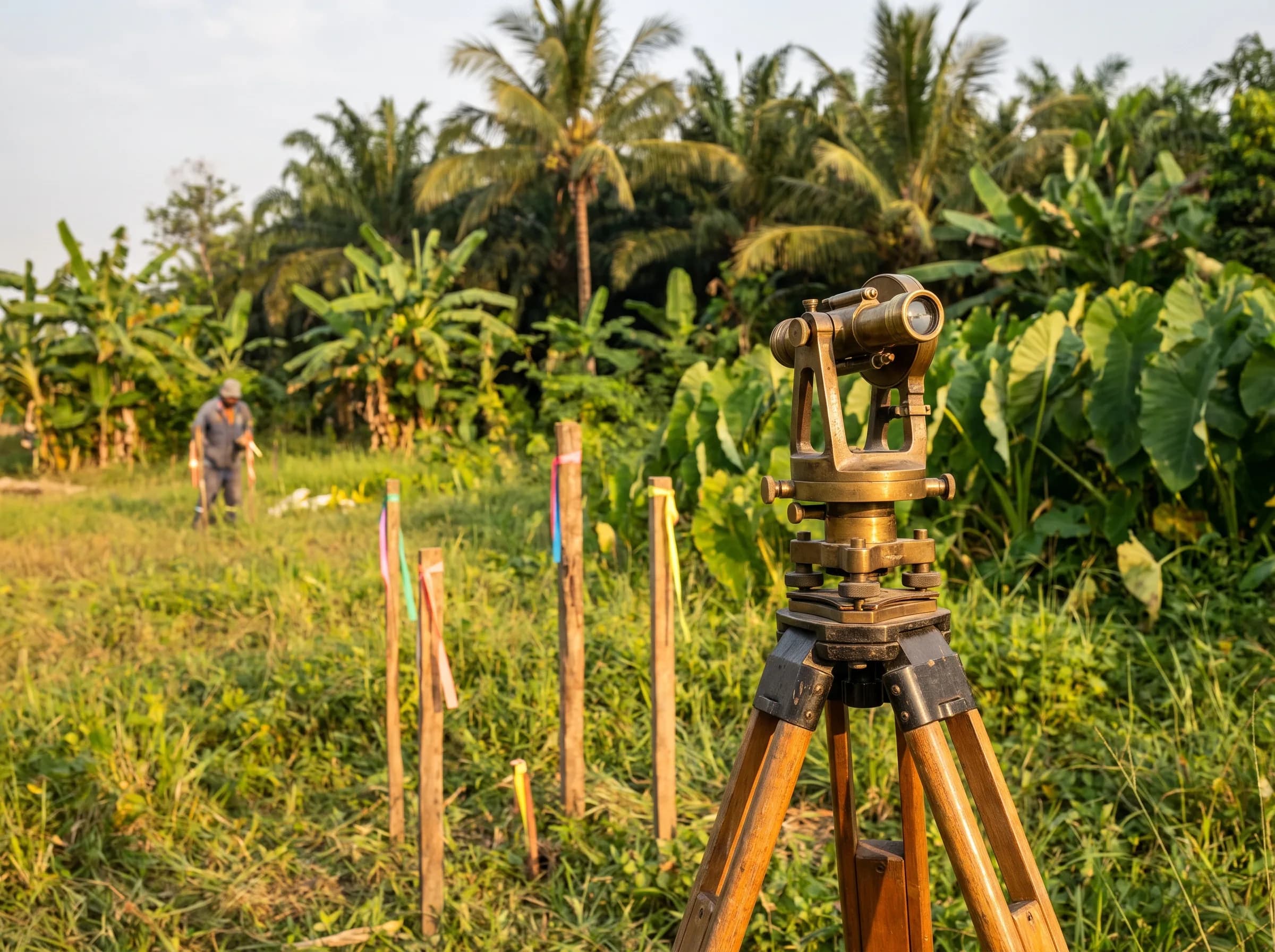
- A surveyor's plan or survey confirming measurements and boundaries on the real land.
- Land use. Check with the municipality whether you can build what you want.
- Access and utilities. Is there a legal road, water, power? Land without formal access loses value.
- Risk or protected zones. Near rivers, ravines, coasts or protected areas, restrictions may apply. On the coast also check the maritime strip rules.
- Debts and taxes up to date.
Common mistakes
- Trusting the fence rather than the plan.
- Paying everything before having the title or the deslinde.
- Buying without seeing the land in the rainy season.
- Not hiring your own lawyer and surveyor.
How to structure payment
If the portion has not yet been surveyed, a lawyer can propose staged payments tied to concrete milestones, such as delivery of approved plans. Avoid handing over all the money upfront.
If you prefer something already built and ready, browse houses for sale in Santiago or apartments in Santo Domingo.