What Is a Survey and How Does It Differ From a Title Deed in the DR?
10 de junio de 2026 · 4 min min read
Understand the key difference between survey and title deed in Dominican Republic: what you need to buy, how to verify it and how much the process costs. Practical guide 2026.
What Is a Survey and How Does It Differ From a Title Deed in the DR?
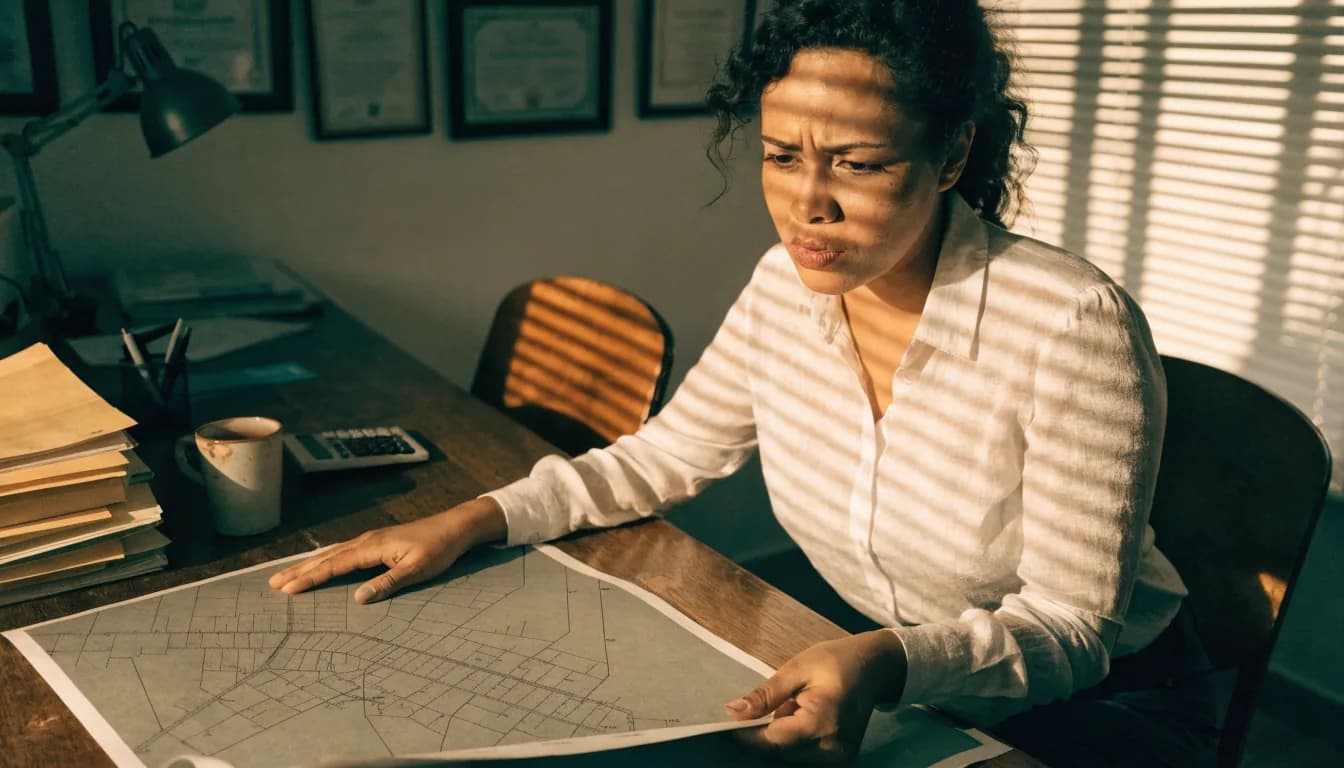
When María reviewed the title deed of the apartment she wanted to buy in Santiago, she felt relieved. The document seemed to be in order and the seller assured her that "everything was legal". Three months later, during the financing process, the bank informed her that the property didn't have an approved survey and they couldn't proceed with the loan.
This confusion between title deed and survey is one of the biggest sources of problems in home purchases in Dominican Republic. The common belief is that having a title automatically means everything is in order. The reality is more complex.
What Is Each Document Really?

Toca Timbre
Propiedades reales. Agentes verificados. Tú decides sin miedo.
The title deed is the certificate issued by the Title Registry that establishes who owns a property. It's like your national ID card, but for real estate: it says you're the legally recognized owner.
The survey, on the other hand, is the technical-legal process that defines exactly what land is yours. It establishes the precise boundaries of your property through coordinates and locates it on an approved cadastral map by the National Cadastral Survey Office.
Think of it this way: the title tells you that you own "a house", but the survey tells you exactly where your patio ends and your neighbor's begins.
The Common Problem: Titles Without Updated Surveys
Many properties in the Dominican market have valid titles but lack an approved survey or have outdated cadastral measurements. This happens especially with:
- Properties inherited from previous generations
- Land that was informally subdivided
- Real estate in areas that weren't fully surveyed before
- Rights secured by annotations on larger parcels
In these cases, although you have a document proving your property rights, the land isn't properly registered in the modern system.
Why This Difference Affects Your Purchase
Since 2009, with Law 108-05 on Real Estate Registration, surveys became practically mandatory for most formal real estate transactions. This means that:
Banks require approved surveys to grant mortgages. Without it, your financing can be rejected, as happened to María.
Undefined boundaries create conflicts with neighbors, squatters or even the State. Without a clear cadastral plan, it's difficult to legally defend where your property ends.
Future sales get complicated because institutional buyers and informed people increasingly require the property to be fully surveyed.
How to Verify If a Property Is Surveyed
Before committing to any purchase, confirm these points:
- Review the current title certificate - it should indicate if the property is surveyed
- Request the approved cadastral survey plan - it must exist and match the physical location
- Verify the cadastral designation - parcel, lot and unit numbers must match between title and plan
- Consult directly with the Real Estate Jurisdiction - confirm current registration status
The Real Cost of Confusion
A property without a survey isn't necessarily a bad purchase, but it does require additional considerations. The survey process can take between 6 months and 2 years, with costs ranging from RD$150,000 to RD$500,000, depending on the size and complexity of the land.
Besides, during that period, your ability to sell, mortgage or develop the property will be limited. For many buyers, this represents a significant financial risk they hadn't considered.
The Value of Clear Information From the Start
The difference between title and survey isn't complicated once you understand it, but it can be expensive if you discover it late in the process. A verified real estate agent should explain this distinction from first contact, not after you've invested time and money in a property.
When you start your search with clear information about these basic concepts, you make more informed decisions. It's not about avoiding properties without surveys, but about understanding exactly what you're buying and what it means for your particular situation.
Peace of mind in a real estate purchase comes from understanding the process, not avoiding it. María eventually found another property with approved survey and was able to get her financing without problems. The difference was knowing what questions to ask from the beginning.
If you're beginning to explore the Dominican real estate market, consider using tools that connect you with verified agents who can explain these concepts calmly. Toca Timbre is an app where you can explore properties published by agents and contact them directly via WhatsApp to ask the right questions from the start. You can explore it at Toca Timbre.
Frequently Asked Questions
Can I buy a property without an approved survey?
Yes, you can buy it, but you must understand the implications. You'll have limitations for obtaining bank financing, and it will be your responsibility to complete the survey process afterward. This can take time and generate additional costs you should consider in your total budget.
How much does it cost to survey a property?
The cost varies depending on the size and complexity of the land, but generally ranges from RD$150,000 to RD$500,000. This amount includes surveyor fees, registry procedures and other administrative expenses. The process can take between 6 months and 2 years.
How do I know if the title I'm being shown is real and current?
Always request an updated title certification directly from the Title Registry, not copies. Verify that the issuance date is recent (less than 30 days) and that it includes certification of current liens and encumbrances. You can also consult directly with the corresponding Real Estate Jurisdiction.