Buying Property in Moca, Espaillat: Prices and What to Expect
26 de noviembre de 2026 · 6 min min read
Thinking about buying property in Moca? Here's how to read prices, what a listing should include, and what to expect in the process before you put down a reservation.
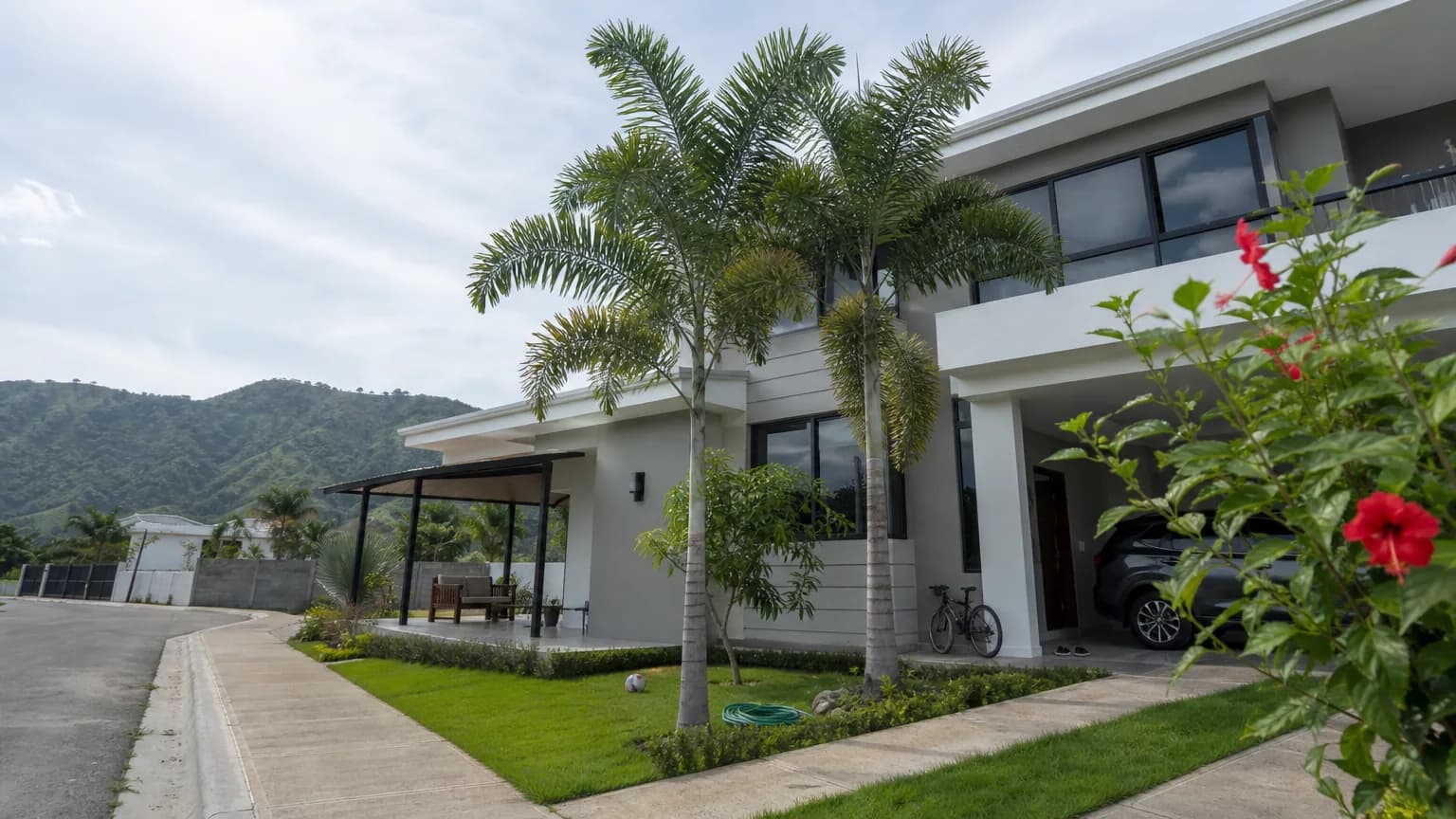
If you're considering buying property in Moca, you've probably already noticed something: listings say a lot and, at the same time, very little. There are prices with no clear currency, locations that only say "Moca," and photos that don't show the interior.
This doesn't mean the Espaillat market is suspicious. It means the information is disorganized, and it's up to you to sort it out. In this article we look at how to read prices, what a listing is often missing, and what to expect from the process, without rushing and without assuming anything.
Buying Property in Moca: A Common Belief Worth Questioning
The most widespread idea is this: "The price in the listing is what I'll pay." In practice, that number is a starting point, not a total.
Toca Timbre
Verified properties, certified agents. You just decide.
The advertised amount may or may not include parking, a deposit, finishes, or some furniture shown in the photos. It almost never includes, on its own, closing costs, legal fees, or transfer taxes. It also doesn't always clarify whether the price is final or negotiable.
None of this is unusual. It's simply how things are published in a market where each agent or owner decides what to write. The problem isn't you: there's no single format that requires everything to be disclosed.
What to Expect from Prices in Moca
 On the portals we reviewed (Findit, Corotos, MercadoLibre, Doomos, international Realtor.com, and others), Moca properties are listed in both Dominican pesos and US dollars. The types of property also vary widely, from apartments and houses of about 91 m² to lots of 550 m² or more.
For that reason, before comparing prices, it helps to look at three things:
- The currency. RD$10,000,000 and US$120,000 are round figures and nothing about them is suspicious, but they can't be compared without an agreed exchange rate.
- The unit. Confirm whether the amount is a total or per square meter, and whether the area is built space or land.
- What isn't shown. Closing costs, maintenance, fees, and the reservation.
As an illustration: if an apartment is listed at US$120,000 and the exchange rate used in the deal differs by RD$2 from the one you assumed, the difference would be RD$240,000. If the price were RD$10,000,000, a 3% transfer tax would add RD$300,000, as we detail in how the real estate transfer tax is calculated. These are example figures, not a market reference. They're meant to show that the listed price and the total cost can be very different numbers.
To have a benchmark for comparison, it helps to read how to tell whether a property price in the DR is fair before you message anyone.
A Moment Many Buyers Recognize
Imagine someone living in Santiago or Santo Domingo who finds, on a Sunday night, a house in Moca they like. The listing says "spacious house, excellent location, opportunity." There are no measurements, the photos show only the facade, and the price appears without a currency.
They feel curious, but also an uncomfortable doubt: "What if I ask too many questions and come across as suspicious?" This doubt is very common and has no basis. Asking questions is a normal part of buying property in Moca or anywhere else. A serious agent expects those questions.
How to Read an Incomplete Moca Listing
An incomplete listing isn't necessarily false. It may be an early posting, or an owner who values privacy. What matters is knowing what's missing. Five points organize the review:
- Location. "Moca" or "Espaillat" isn't enough. A useful listing names the sector, neighborhood, highway, or development. Some portals do this, with references like streets, neighborhoods, or highway kilometers. Also, the area written in the listing may not match the actual location, as we explain in why the listing location isn't the real location.
- Size and layout. Built square meters, lot size, bedrooms, bathrooms, and parking spaces.
- Photos. If they're repeated, show only the facade, or look like catalog images, you can ask for current photos and an update date.
- Price. Currency, whether it's negotiable, and which costs could be added.
- Who is publishing. Name, company, and a consistent contact. It's wise to be clear about who is selling to you before handing over documents or money.
If several answers are missing, the prudent step is to request them in writing and compare with other Moca listings.
What to Expect from the Process Before a Reservation
A reservation doesn't mean the same thing in every deal. The reservation deposit, down payment, and initial payment can have different conditions and deadlines, so it's important that everything is put in writing. A reasonable order is this:
- First, the price. Ask for a breakdown of what the amount includes and, if it's a project, the full payment schedule: reservation, down payment, installments, and final balance.
- Then, the basic legal situation. Ask whose name the property is in and what document proves it. In the Dominican Republic, the Certificate of Title proves ownership, and the legal status certification from the Title Registry shows the current situation, including mortgages, liens, or other encumbrances. Ask as well whether the property has been formally surveyed (deslinde) or still depends on a noted certificate.
- If it's under construction, delivery. Contractual delivery date, what happens if it's delayed, and which plans and specifications are part of the contract.
- Finally, the exit. Is the reservation money refundable? In what cases is it forfeited? What happens if you don't get financing? How much time is there to sign the final contract?
These questions don't replace a lawyer. They help you notice incomplete answers before you commit. If the project is new, it's also worth knowing about structural warranty in the Dominican Republic.
Don't hand over money based only on voice messages or verbal promises. Ask for a receipt, a reservation document, and a copy of the contract before signing.
A Thought for Moving Forward Calmly
The Moca market isn't more complicated than other cities. What makes it hard is that information arrives in fragments: a price here, a vague location there, an agreement that's spoken but never written down.
People who decide calmly usually do something simple: they separate what is confirmed from what is still an assumption. An incomplete listing isn't a signal to run, but a list of open questions. And an important decision shouldn't depend on an ambiguous sentence.
If you're exploring the Espaillat market, you can do it with more order. Toca Timbre is an app where buyers can explore properties published by agents and contact them directly on WhatsApp. If you'd like to take a look, it's available at Toca Timbre. That way you can start looking at the market with more clarity, with no rush at all.
Frequently Asked Questions
How much does it cost to buy a property in Moca?
There's no single price. Portals show properties in pesos and dollars, with very different sizes and features, from small apartments and houses to large lots. The price depends on the sector, size, condition, and whether the property is new or used.
The most useful step is to compare listings in the same currency and the same unit of measure, and to request a written breakdown of what the amount includes. Remember that the total cost is usually higher than the listed price.
What additional costs come with buying in Moca besides the price?
Depending on the case, there may be transfer tax, legal fees, closing costs, initial maintenance, and utility connections. In projects, the reservation, down payment, and installments also count. Ask what is and isn't included before making a reservation.
A lawyer can confirm the exact amounts for your transaction. The figures in this article are examples to understand the order of magnitude, not calculations for your situation.
How do I know if a Moca listing is trustworthy?
There's no single signal. Look for a specific location, measurements, varied photos, clear currency and price, and an identifiable advertiser. If several details are missing, request them in writing and compare them with other listings.
Before sending money or sensitive documents, verify ownership and the right to sell with local legal help. An incomplete listing isn't necessarily false, but it does need more questions.
Sources
On Toca Timbre
- Real estate transfer tax in the Dominican Republic: how it's calculated
- How to tell whether a property price in the DR is fair
- Why the listing location isn't the real location
- Who Is Selling to You: The First Question in Real Estate
- Structural Warranty in the Dominican Republic: What to Know First
External references