Who's Selling It to You: The First Question in Real Estate
2 de octubre de 2026 · 5 min min read
Before you see any property, ask yourself who's really selling it to you. Discover why this question determines everything in your buying process.
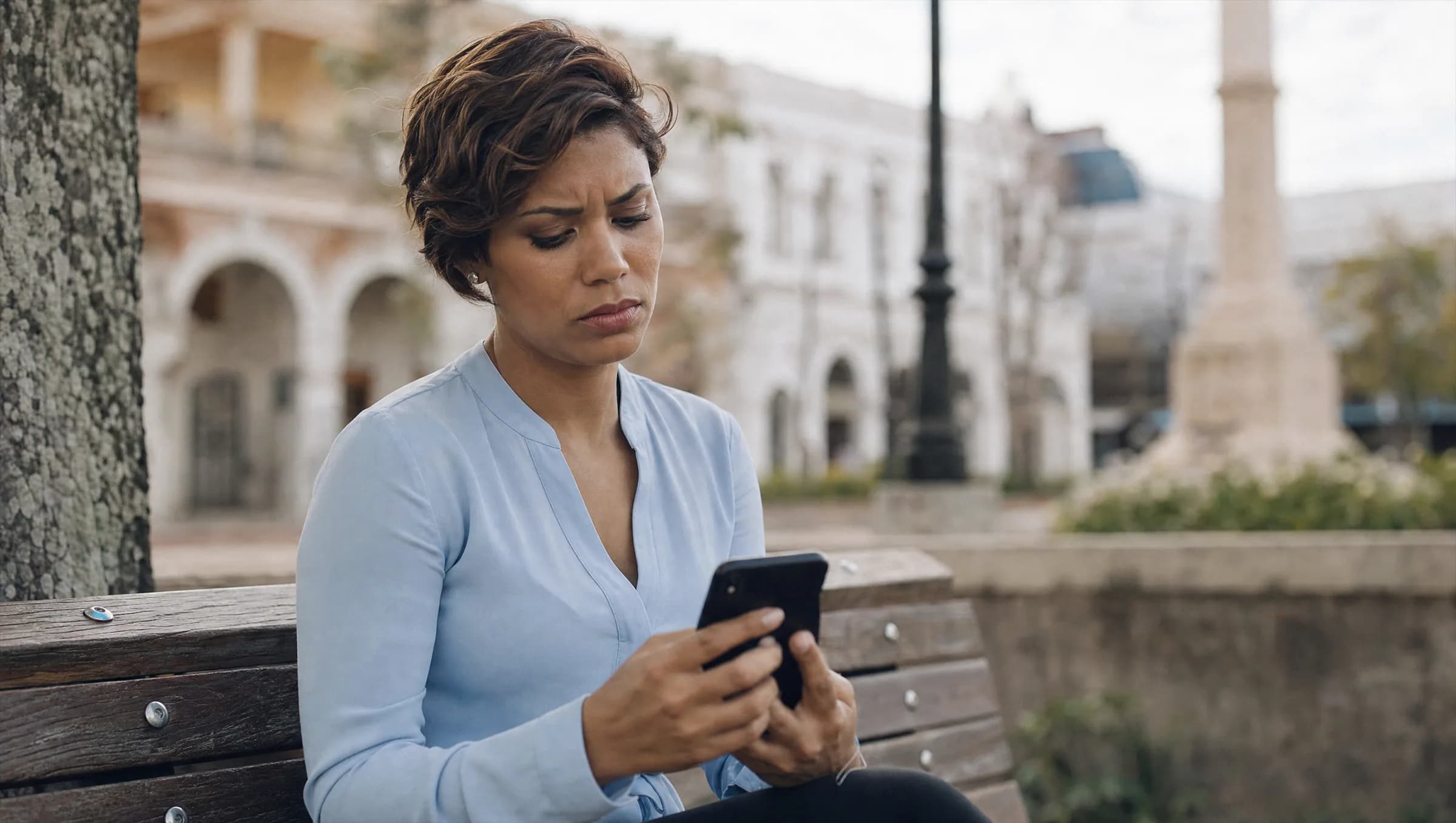
Who's Selling It to You: The First Question in Real Estate
When you're scrolling through Facebook groups or WhatsApp looking for apartments, you find dozens of listings with attractive photos and prices that seem fair. But there's something that almost never shows up clearly: who is actually selling you the property in the Dominican Republic. This question, which many buyers overlook, is the one that determines everything that comes next: your level of protection, the quality of information you receive, and the odds that your investment goes smoothly.
The difference between responding to an anonymous listing and working with an identified and verifiable agent isn't a small detail. It's the factor that separates a safe purchase from an avoidable risk.
The Problem of Invisible Sellers
Carlos finds a two-bedroom apartment in Santiago for RD$4.5 million. The listing has nice photos, a central location, and a WhatsApp number. When he asks for details, he gets vague answers: "I'm a broker," "I work for the owner," "My agency handles several properties here."
Toca Timbre
Real listings. Verified agents. You decide, fear-free.
What Carlos doesn't know is whether he's talking to the actual property owner, an informal middleman, a sub-agent, or someone who doesn't even have authorization to offer that property. This lack of clarity opens the door to serious problems: contradictory promises, double sales of properties, deposits that disappear, and properties offered without clear titles.
Until recently, real estate intermediation in the Dominican Republic has been loosely regulated. This allowed many people to act as "sellers" without professional training or oversight. The result: a market filled with listings containing phone numbers, aliases, or agency names, but without a person putting their name and track record on the line.
The New Reality: Identifiable Agents
 The Real Estate Brokerage Law approved by the Senate is changing this dynamic. The new legislation creates a system of mandatory licenses and a public registry where every agent and agency must be registered, with annual renewal.
This license isn't just a number on paper. It means the agent has met qualifications, follows professional rules, and faces penalties if they engage in prohibited practices. For you as a buyer, it means you can verify whether the person helping you exists in an official listing, whether their license is current, and whether they're authorized for the type of transaction you need.
Why It Matters to Know Who's Selling
Due Diligence on the Person
When an agent presents themselves with a full name, consistent contact information, and references, you can do due diligence on that person. You can look for reviews, ask for testimonials, confirm their participation in industry associations, and validate their experience in the area or type of project you're interested in.
Clear Line of Responsibility
An identifiable agent establishes a clear line of responsibility. When something is documented in writing—emails, messages, proposals—under the name of a verifiable person, you have much more backing if a conflict arises. Their reputation becomes an asset that works in your favor.
Aligned Incentives
A professional who depends on future referrals has strong incentives to tell you the truth about title status, taxes, land-use restrictions, and specific risks of each transaction.
What a Serious Agent Does
A professional agent will be the first to insist on formal processes:
- Title review at the Property Registry
- Property history confirmation
- Clarity on contract clauses, especially penalties, timelines, and deposit refund conditions
- Tax compliance on transfers
- Coordination with a specialized attorney when needed
The most costly problems in Dominican real estate come from weak contracts, poorly structured powers of attorney, and tax omissions. A good agent, working with an attorney, helps prevent these situations.
The Practical Rule
For any prudent buyer, the rule is simple: be skeptical of any intermediary who hides behind a generic listing and won't give their full name, show their track record, or, when it's current, share their license number and registration.
In a market moving toward greater regulation and transparency, the most important question isn't "How much does the apartment cost?" but "Who is selling it to me and what do they have to lose if things go wrong?"
When the answer is a professional with a verifiable identity and a reputation to protect, your negotiating position and legal security improve dramatically.
The Difference of First Contact
Where you start looking determines everything that follows. An anonymous listing connects you with a chain of unidentified intermediaries. A search where you can verify who's helping you from the first moment gives you control over the process.
It's not about ruling out opportunities—it's about starting on the right foot: knowing who you're talking to, what they can offer you, and what backing you have if something doesn't go as expected.
To explore properties with identified agents from your first search, you can use Toca Timbre, an app where buyers can see properties listed by agents and contact them directly via WhatsApp. Clarity about who's helping you starts from your first search. Toca Timbre.
Frequently Asked Questions
How do I verify if a real estate agent is licensed?
With the new Real Estate Brokerage Law, a public registry will exist where you can verify each agent's license status. In the meantime, you can ask the agent to show you their registration with professional industry associations and references from previous clients.
What happens if I buy through someone without a license?
Buying through unlicensed intermediaries doesn't invalidate the transaction, but it does reduce your protection. You have no recourse with a regulatory authority if problems arise, and it's harder to track responsibilities if something goes wrong in the process.
Does a licensed agent guarantee the property is free of problems?
No. The agent's license doesn't guarantee the legal status of the property. However, a professional agent is more likely to insist on proper verification processes and work with specialized attorneys to review titles and documentation before closing the sale.
Sources
- Real Estate Brokerage Law Proposal — http://www.senado.gov.do/masterlex/MLX/docs/1C/2/11/18/19EA.htm
- Regulation of Real Estate Brokerage in the Dominican Republic — https://es.scribd.com/document/913742700/Regulation-of-Real-Estate-Brokerage-in-the-Dominican-Republic
- Types of Licenses in the Law Proposal — https://inmobiliario.do/estos-son-los-tipos-de-licencias-que-plantea-el-proyecto-ley-de-intermediacion-inmobiliaria-aprobada-en-el-senado/
- Legal Risks When Buying Properties in DR — https://miguelinamejia.com.do/categ/riesgos-legales-al-comprar-propiedades-en-rd/
- Real Estate Due Diligence — https://constantinpoindexter.com/blog/due-diligence-inmobiliaria-en-la-republica-dominicana-la-disciplina-que-separa-una-compra-segura-de-un-riesgo-evitable/