Pensioner Visa vs. Rentier Visa: The Factor Most Banks Don't Explain
24 de octubre de 2026 · 5 min min read
Discover how each visa affects your credit profile when applying for a mortgage in the Dominican Republic. The difference goes far beyond the minimum income requirement.

Pensioner Visa vs. Rentier Visa: The Factor Most Banks Don't Explain
When you decide to buy your first property in the Dominican Republic as a foreigner, it's common to find information presenting the pensioner visa Dominican Republic and the rentier visa as similar options, differentiated only by the minimum income requirement. The reality is more complex.
The difference between both visas doesn't end at the US$1,500 monthly income for pensioners versus US$2,000 for rentiers. There's a factor rarely mentioned in real estate blogs: how each visa influences your actual capacity to obtain bank financing for that purchase.
The Common Confusion: Visa Equals Automatic Credit
Many foreign buyers arrive in the Dominican Republic thinking that obtaining the correct visa guarantees them access to mortgage credit. This belief creates frustration when they discover that the bank evaluates something different: not the visa type itself, but the quality, stability, and traceability of the income that supports that visa.
Toca Timbre
Verified properties, certified agents. You just decide.
The pensioner visa is designed for people receiving a life pension or retirement, while the rentier visa requires documented passive income like rental payments, dividends, or investments. Both benefit from Law 171-07, which grants special incentives including real estate transaction tax exemptions for your first property.
How Banks Evaluate Each Profile
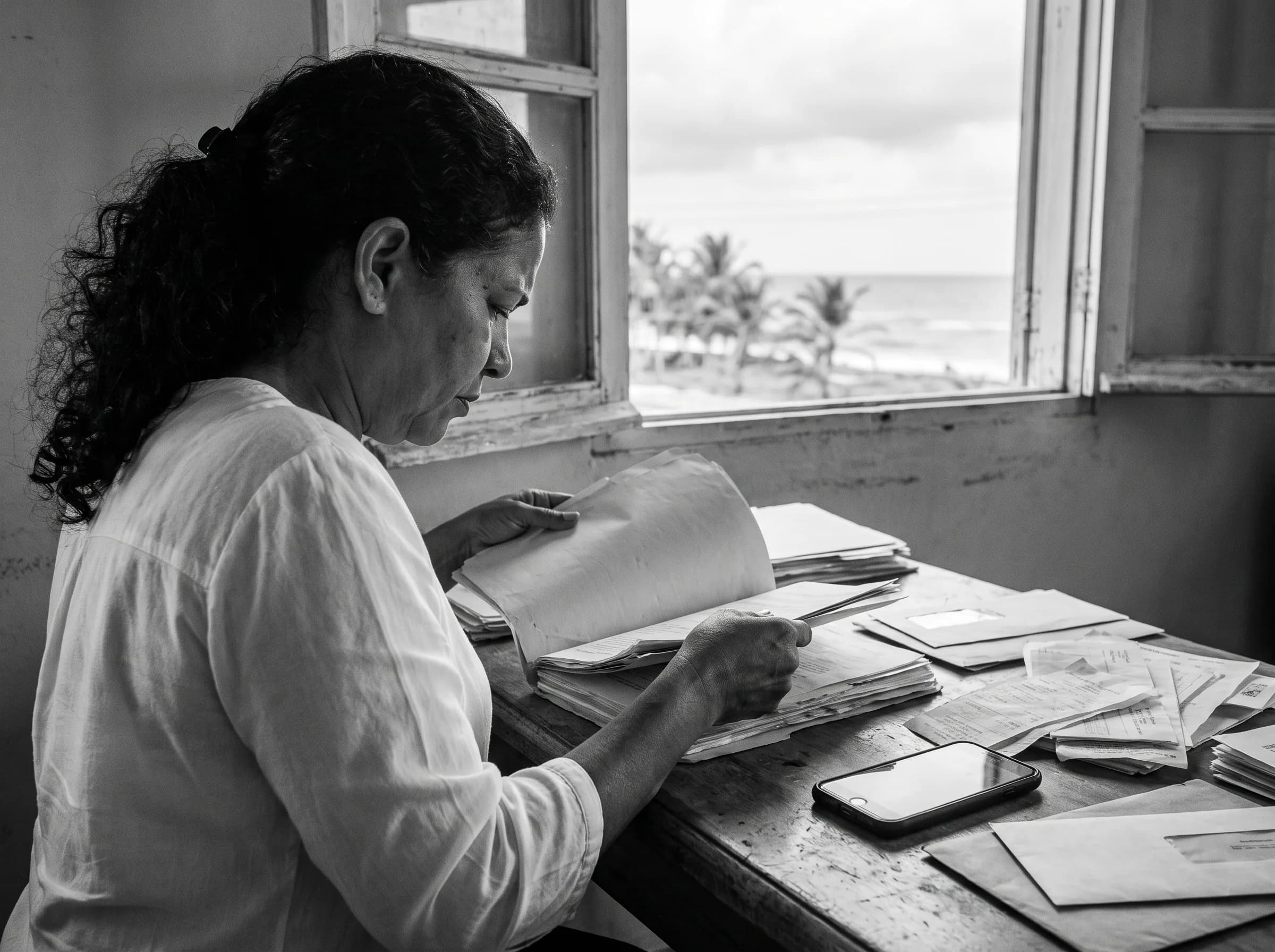
The Pensioner: Predictability as an Advantage
A pensioner typically presents a more predictable income source because the pension is paid periodically and consistently. For the bank, this makes it easier to evaluate payment capacity when requiring evidence of stable monthly cash flow.
The pensioner's financial story boils down to: "fixed, predictable income that's easy to verify." The required documents are generally straightforward: pension certification, bank statements, and proof that the benefit will continue.
The Rentier: Greater Solvency, Greater Scrutiny
The rentier depends on rental income, investments, or returns that may be more variable, though the minimum required amount is typically higher. For the bank, this can demonstrate greater solvency if the documentation is well-structured.
The rentier's story is: "higher passive income, but with more rigorous documentation requirements." Documents include bank certifications, rental contracts, proof of business ownership or financial instruments, and clear evidence of the source of funds.
A Concrete Case: Two Profiles, Two Experiences
Consider Roberto, a Canadian pensioner with US$2,200 monthly guaranteed for life, and María, a Spanish rentier with US$2,800 monthly from three rental properties in Madrid.
Roberto presents to the bank a simple letter from his pension fund, bank statements with identical deposits each month for five years, and clear documentation about benefit continuation. His file is straightforward.
María must present three rental contracts, certifications from a property management company administering her properties, bank statements showing variable income (some months with delinquent tenants), Spanish tax returns, and documents proving ownership of the properties generating the income.
Both qualify for their respective visas, but the bank may feel more comfortable with the simplicity and predictability of Roberto's file, even though María's income is technically superior.
The Reality of Real Estate Financing
Neither visa guarantees automatic financing. What does change is the type of file you can build with the Dominican bank.
Some banks prefer the stability of a pensioner; others value the demonstrated liquidity of a rentier more. In all cases, they'll continue analyzing:
- International credit history
- Actual debt capacity
- Down payment amount (generally 20-30%)
- Origin and legality of funds
- Relationship between income and proposed monthly payment
Tax Incentives Are Not Credit Incentives
The special legislation favors both groups in the initial home purchase with tax exemptions, but that incentive doesn't equal credit approval. The tax exemption can reduce closing costs, but the bank will still apply its normal risk criteria.
This means the "right" visa isn't necessarily the one that opens the door to credit, but rather the one that best aligns your profile with the financial narrative the bank can validate most easily.
Pensioner Visa Dominican Republic: When It Makes More Sense
The pensioner visa typically works better when:
- You have a solid government or corporate pension
- You prefer a simpler documentary process
- Your strategy is to demonstrate long-term stability
- Your pension amount comfortably covers the projected mortgage payment
When the Rentier Visa Can Be More Strategic
- You have passive income exceeding US$2,500-3,000 monthly
- You can clearly document the source of your income
- You manage considerable assets you want the bank to consider
- You're seeking financing for higher-value properties
The Right Question
The question isn't just "which visa makes more sense?", but rather "which visa makes my borrowing capacity more credible to a Dominican bank?" In many cases, the answer depends less on the visa type and more on the consistency between declared income, available documentation, and the loan amount you plan to request.
A More Confident Decision
Understanding these differences before starting your Dominican property search allows you to make more informed decisions. It's not about finding the "perfect" visa, but rather choosing the one that best represents your financial reality to Dominican institutions.
Peace of mind comes from knowing that both options are valid, but each tells a different financial story. Your job is to choose the story you can document most solidly and coherently.
If you're beginning to explore the Dominican real estate market, Toca Timbre is an app where you can view properties posted by verified agents and contact them directly via WhatsApp to ask specific questions about financing and documentation. Exploring with clarity from the start helps you make better decisions: Toca Timbre
Frequently Asked Questions
Can I switch from a pensioner visa to a rentier visa if my financial situation improves?
Yes, it's possible to make the change, but it requires starting a new immigration process with documentation corresponding to the new category. You should consider that this involves additional time and new documentary requirements. The decision should be based on concrete benefits for your specific situation.
Do Dominican banks prefer one type of visa over another?
There's no universal preference. Each bank has its own risk evaluation criteria. Some value the predictability of a pension more, others prefer the evidence of greater assets that typically accompanies rentiers. What's important is that you can clearly document your income, regardless of the category.
Do I need to hire a lawyer specialized in each visa type?
While not mandatory, it is advisable to work with professionals who understand the particularities of each migration category. Documentary requirements are different and an error in presentation can delay the process. The investment in specialized advice typically pays for itself with a smoother process.
Sources
- Residency by Investment as Retiree or Pensioner — General Directorate of Migration
- Law 171-07 Special for Pensioners and Rentiers — Migration Dominican Republic
- Requirements for Rentier Residency Visa — Dominican Embassy Chile
- Rentier Residency Visa — Dominican Consulate
- Investor's Guide 2024 — AmCham Dominican Republic