Video-Notarization in the Dominican Republic: How It Works
5 de septiembre de 2026 · 5 min min read
Discover how video-notarization is changing overseas real estate purchases in the DR. Everything you need to know about this process.
Video-Notarization in the Dominican Republic: How It Works to Buy Properties from Abroad
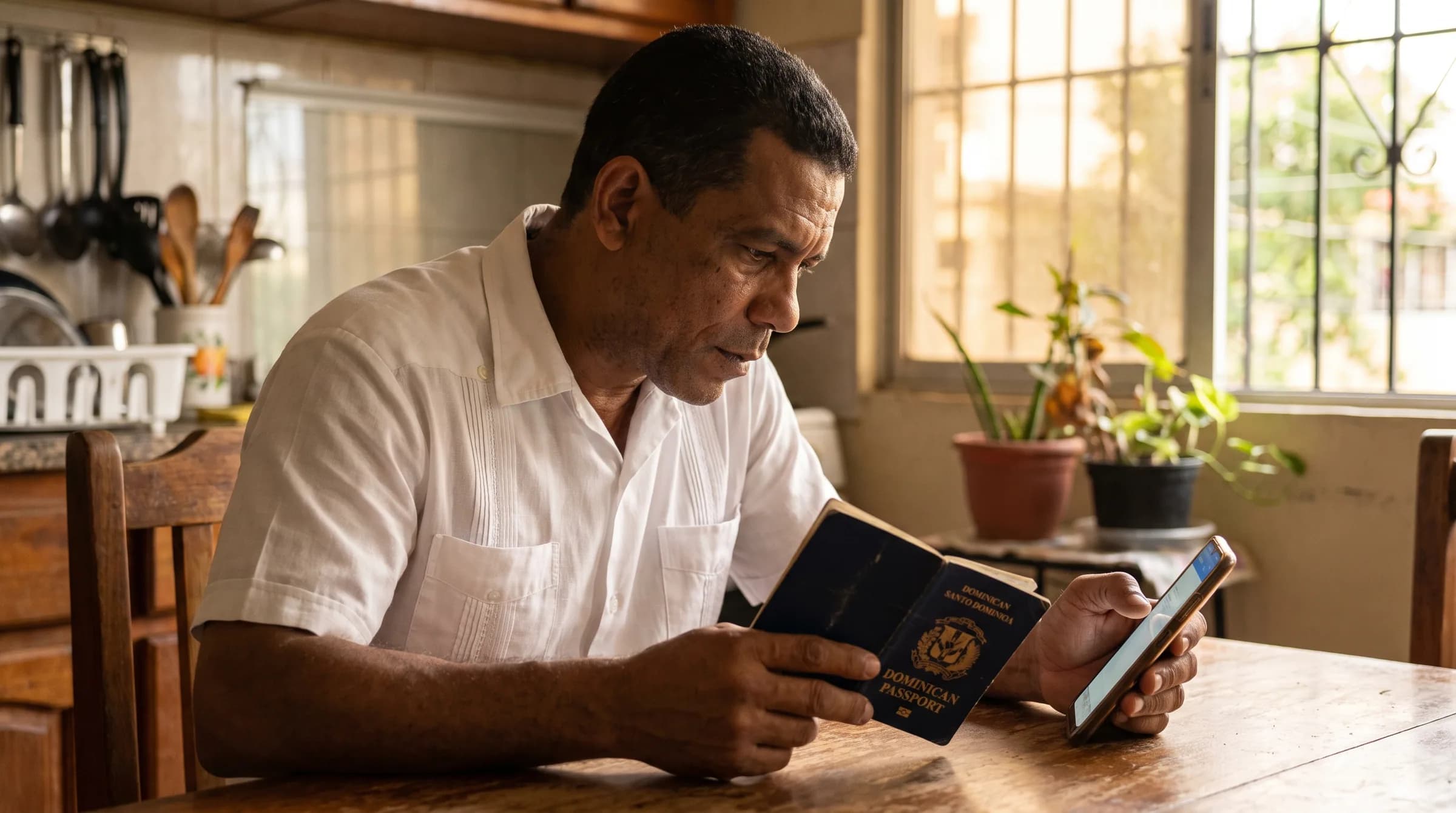
Carlos has been living in New York for eight years. When his sister sent him photos of an apartment in the Capital that "is perfect and a good price," his first reaction wasn't excitement—it was fear. "How am I going to sign something this important from here? What if I get scammed? Will I have to travel every time I need to sign a paper?"
This concern is more common than you might think. Thousands of Dominicans abroad face the same dilemma: they want to invest in properties in their country, but the process makes them anxious because they don't understand how signing documents from a distance works.
The Misconception About Signing from Abroad
There's a widespread myth that "you can't sign anything important from outside the Dominican Republic." This belief makes many people indefinitely postpone buying a property or feel they must constantly travel to handle paperwork.
Toca Timbre
Verified properties, certified agents. You just decide.
The reality is different: it is actually possible to complete much of the legal process from abroad, but it requires following specific procedures that the Dominican system has put in place to guarantee legal security.
The problem isn't technical impossibility, but rather a lack of clear information about how these mechanisms work in practice.
What Is Video-Notarization and Why It's Changing the Process
 Video-notarization is a procedure where a Dominican notary uses video conferencing in real time to verify a person's identity, witness their signature, and authenticate documents. It's not just any video call: it's regulated by the Dominican judiciary.
Since 2024, the Dominican Supreme Court of Justice approved a specific regulation for the use of digital documents and signatures in notarial functions. This means notaries can use certified electronic means to transmit audio and video in real time during certain notarial acts.
What matters: video-notarization doesn't replace all steps in the real estate process, but it does significantly facilitate the granting of notarial powers of attorney from abroad.
How the Process Works Step by Step
1. Document Preparation
Your lawyer in the Dominican Republic prepares the exact text of the power of attorney you need. This document specifies what actions your representative can perform: search for properties, negotiate prices, sign contracts, or handle payments.
2. Video-Notarization Session
You schedule an appointment with a Dominican notary who offers this service. During the video call:
- You verify your identity by showing your passport or ID card
- The notary confirms you understand the content of the power of attorney
- You sign digitally using a certified platform
- The entire session is recorded as legal backup
3. Validation and Registration
The digitally signed document receives a unique code and is registered in official databases. If you're outside a country that's party to the Hague Convention, you might need additional apostille or legalization steps.
4. Activation of the Power of Attorney
Your representative in the DR can begin to act legally on your behalf for the specific real estate transaction.
Carlos's Case: From Anxiety to Clarity
Let's return to Carlos. After researching, he discovered he could grant a specific notarial power of attorney to a real estate lawyer in Santo Domingo through video-notarization. The total cost of the process was approximately US$350, including notarial fees and validations.
What reassured him most was being able to see and speak directly with the notary during the signing. "I felt like I had control over what I was signing—it wasn't just sending a signed paper by mail and hoping everything would work out."
The apartment he ultimately bought cost RD$4,200,000. His representative handled the negotiation, verified the documentation, and coordinated payments. Carlos only had to travel once, at the end of the process, to receive the keys.
Limitations and Important Considerations
Not Everything Can Be Done by Video
The definitive deed of sale still requires physical presence before a Dominican notary, whether yours or your duly authorized representative's.
Prior Verification Is Key
Video-notarization facilitates the process, but it doesn't eliminate the need to verify:
- The seller's legitimacy
- The legal status of the property
- Building permits
- Existing debts or liens
Associated Costs
- Notarial fees: RD$15,000 - RD$25,000
- Apostille (if applicable): US$50 - US$100
- Translation (if necessary): RD$2,000 - RD$5,000 per page
- Representative lawyer's fees: varies by case
The Broader Context of the Real Estate Market
Video-notarization is part of a larger effort to modernize the Dominican real estate sector. The traditional system, based entirely on physical presence, created unnecessary barriers for the Dominican diaspora.
Today, a Dominican in Madrid, Miami, or Montreal can actively participate in the local real estate market without the logistical obstacles of the past. This has contributed to growth in foreign investment in the sector.
However, technology alone doesn't solve fundamental problems: the need to work with verified professionals, understand the specific risks of each transaction, and make informed decisions about locations and prices.
Reflection: Technology in Service of Trust
Video-notarization isn't magic that eliminates all the risks of buying from abroad. It's a tool that, used correctly within a well-structured process, can significantly reduce anxiety and logistical obstacles.
What's most valuable isn't the technology itself, but the clarity it brings to the process. When you understand how each step works, how much it costs, and what legal protections you have, physical distance becomes a minor inconvenience, not an insurmountable barrier.
The Dominican real estate market is evolving to better serve those living outside the country. The question is no longer whether you can buy from abroad, but whether you have the information you need to do so safely and intelligently.
If you're exploring the Dominican real estate market from abroad, having access to clear information about properties and agents can be your first step toward making more informed decisions. Toca Timbre is an app where you can explore properties posted by agents and contact them directly via WhatsApp to ask the right questions from the start of your search. Toca Timbre and begin your process with greater clarity.
Frequently Asked Questions
Does video-notarization have the same legal validity as in-person notarization?
Yes, when it's performed following the regulation approved by the Dominican Supreme Court of Justice. The digitally signed document receives a unique code and is officially registered. However, certain specific acts like the definitive deed of sale still require physical presence before a notary.
How long does it take to complete a video-notarization?
A typical session takes between 30 and 60 minutes. The complete process, including document preparation and subsequent validations, can take 3 to 7 business days. If you need additional apostille or legalization, add 1-2 more weeks to the timeline.
What happens if there are technical problems during the video call?
Notaries offering this service use certified platforms with technical backup. If there are interruptions, the session can be rescheduled at no additional cost. The recording of the session serves as evidence that the process was completed correctly, so it's important to verify that your internet connection is stable before starting.
Sources
- Buying property in the Dominican Republic from abroad
- Notarial Powers - Dominican Republic Consulate
- Can foreigners buy properties in the Dominican Republic
- Regulation on digital signatures in notarial function
- Notarial Services - U.S. Embassy
- Property purchase in the Dominican Republic
- Online notary for international clients
- Online notary Dominican Republic