Is Your Agent Avoiding the Registry? Red Flags in the Dominican Republic
15 de octubre de 2026 · 6 min min read
Discover the warning signs that indicate when a real estate agent is avoiding the property registry topic and how to protect yourself in the Dominican market.
Is Your Agent Avoiding the Registry? Red Flags in the Dominican Republic
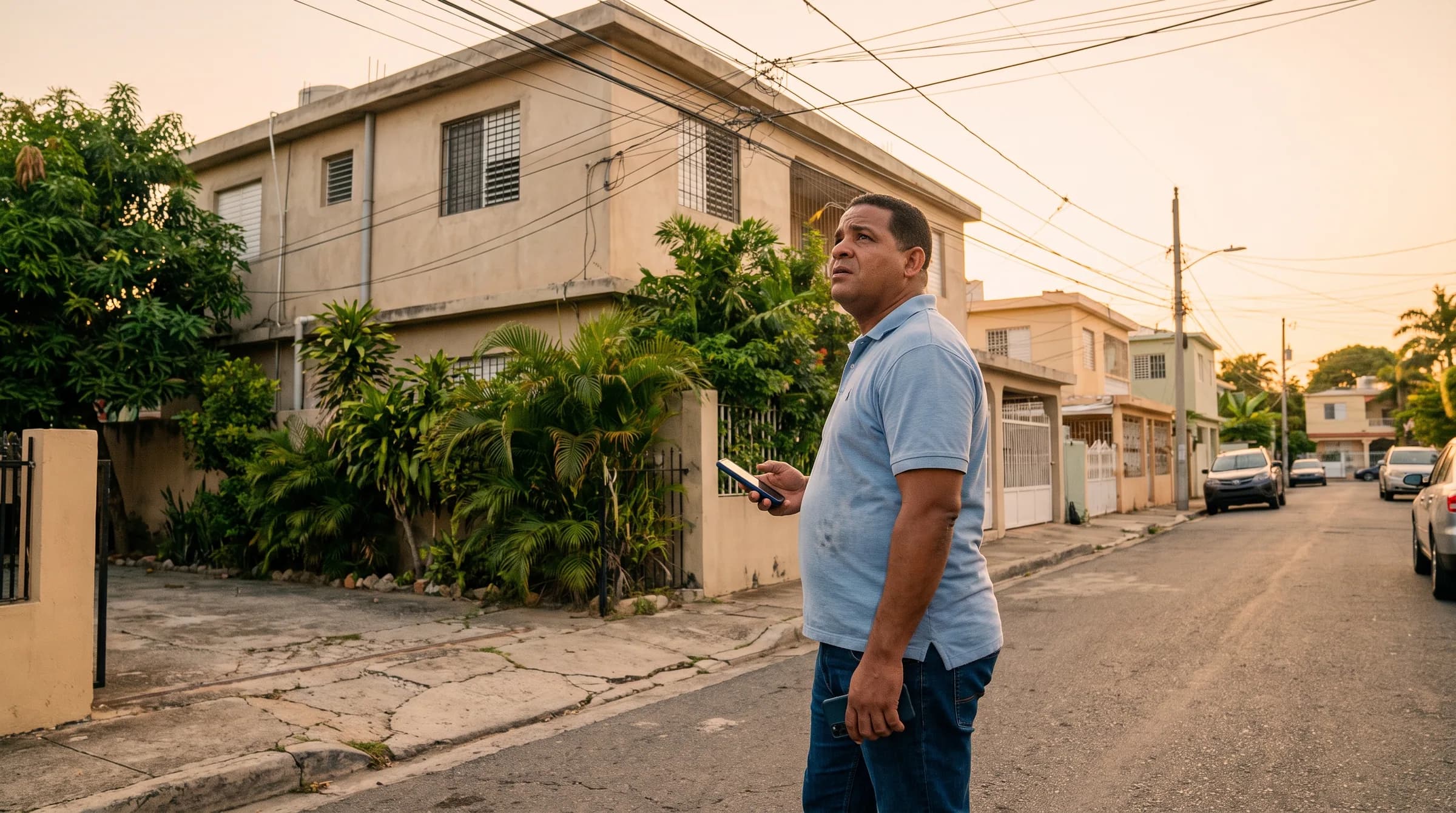
Carlos had been house hunting in Santiago for two months. He'd visited five properties with different agents, but something bothered him: every time he asked about the Certificate of Title or the registry situation, he got vague answers. "We'll look at that later," "that's how things work here," "don't worry about those details." His gut told him something wasn't right.
In the Dominican Republic, when a real estate agent avoids talking about the property registry, several red flags go up that no buyer should ignore. The property registry in the Dominican Republic is the system that legally protects your investment, and any serious professional should always be willing to explain this fundamental part of the process.
The difference between having documents and having title
Under Law 108-05 on Property Registry, the Dominican Republic operates a system where the Certificate of Title is the only official proof of ownership guaranteed by the State. A registered property gives you real rights that are protected and not subject to prescription. An unregistered property leaves you with only documents and expectations.
Toca Timbre
Verified properties, certified agents. You just decide.
The practical difference is huge: if you have a Certificate of Title registered in the Registry of Titles, the State guarantees your ownership. If you only have private contracts, statements, or "possessory rights," you're on unstable legal ground, vulnerable to double sales, litigation, and even total loss of your investment.
Red flags when talking to an agent

Avoids mentioning the Certificate of Title
A trustworthy agent should always show willingness to explain the registry situation. If they insist on talking only about "possession" or "possessory rights" without mentioning that the property has an individual Certificate of Title, that's a first red flag.
In the Dominican market, some agents downplay the risks by saying "everything is bought this way" when dealing with unregistered properties. A responsible professional should clearly explain these risks and, if the property isn't registered, guide you toward legal options like the title clearance process.
Resistance to showing documents
The Property Jurisdiction allows you to verify the legal status of any registered property. A professional agent should be willing to provide a copy of the Certificate of Title and guide you on how to request a legal status certification from the corresponding Registry of Titles.
If the agent responds with evasions, indefinitely delays access to these documents, or pressures you to sign sales agreements without this verification, they're exposing your investment to unnecessary risks.
Can't show their professional registration
The Dominican legal framework requires real estate agents to have a license or authorization issued by the State. A verified agent should be able to show their ID, indicate which registry they're registered with, and provide this information without getting annoyed.
If they dodge these questions or can't prove their professional registration, the risk that you'll end up involved in a problematic transaction increases.
A realistic market example
María found a house in Punta Cana for RD$4,500,000. The agent showed her photos, took her to see it, but when she asked to see the Certificate of Title, he said: "The owner has it stored away, but no problem, here we always buy with a private contract first."
When María insisted on verifying the registry before putting down the RD$450,000 deposit, the agent got uncomfortable and suggested "moving fast because there are other interested buyers." That pressure to skip the registry verification was the final signal: María decided to look elsewhere with more transparent agents.
How to verify before moving forward
Before you commit to any property, follow this basic protocol:
- Request a copy of the Certificate of Title and the owner's ID card
- Visit the Registry of Titles corresponding to the property's location
- Request legal status certification to confirm there are no liens, mortgages, objections, or litigation
- Verify matches between the owner's name, parcel number, and parcel description
- If only old statements or unregistered plans exist, consult with a lawyer before proceeding
Remember that the Registry of Titles offers in-person, phone, and electronic services for these verifications.
Platforms with verified agents as a first filter
Some technology platforms in the Dominican real estate market have started implementing agent verification systems. These check the real estate intermediation registry and validate identity against official documents before awarding a "Verified Agent" badge.
This type of verification doesn't replace your obligation to review the title or substitute for legal advice, but it serves as a first filter to avoid dealing with informal intermediaries or those without professional registration.
A reflection on the process
The Dominican real estate market is full of genuine opportunities, but also preventable risks. An agent who avoids talking about the registry isn't necessarily dishonest, but they do demonstrate a lack of professionalism or insufficient preparation to handle your investment.
Your peace of mind as a buyer begins by choosing professionals who understand that registry transparency isn't an obstacle—it's the foundation of any safe transaction. Where you start your search determines everything that comes after.
If you're starting your search and want to explore options with greater clarity, platforms like Toca Timbre let you see properties posted by agents and contact them directly via WhatsApp, making it easier for you to ask the right questions from the first contact. You can explore at: Toca Timbre
Frequently asked questions
What do I do if an agent won't show me the Certificate of Title?
If an agent resists showing you the Certificate of Title or gives you evasions, it's better to look elsewhere. A responsible professional should be willing to provide this information from the first moment. Don't move forward in the process until you have clarity on the property's registry status.
Is it normal to buy properties "in possession only" in the Dominican Republic?
Although it's common to find unregistered properties in the Dominican market, that doesn't make it the safest option. Buying "in possession only" means assuming significant risks like double sales, prolonged litigation, and possible loss of investment. It's always preferable to look for registered properties or, if you decide to proceed with an unregistered one, do so with specialized legal advice.
How can I verify if a real estate agent is registered?
You can ask the agent to show you their license or professional ID and ask which registry or association they're registered with. There are also digital platforms that verify agent professional registration before allowing them to list properties. A legitimate agent should never be bothered by these verification questions.
Sources
- Law 108-05 on Property Registry — https://ri.gob.do/wp-content/uploads/2023/10/Libro-Ley-108-05-de-registro-inmobiliario.pdf
- Property Registry Portal — https://ri.gob.do/
- Pro Consumidor: Registry of Real Estate Providers — https://proconsumidor.gob.do/pro-consumidor-creara-registro-de-proveedor-inmobiliario-para-proteger-a-consumidores-de-estafas-y-timaciones/
- Real estate scams in DR — https://inteligenciaperiodistica.com/2025/02/14/estafas-inmobiliarias-en-rd-como-protegerse-y-tomar-decisiones-seguras/
- Risks of properties without title — https://drrevealed.com/es/real-estate/legal-title/comprar-terrenos-sin-titulo-en-republica-dominicana-riesgos-de-la-propiedad-solo-en-posesion-guia-2026
- Legal Status Certification of Property — https://ri.gob.do/wp-content/uploads/Tramites/DNRT/CERTIFICACION_DEL_ESTADO_JURIDICO_DEL_INMUEBLE.pdf
- Analysis of registered and unregistered property — https://es.scribd.com/document/961729892/Analisis-Sobre-Los-Bienes-Inmuebles-Registrados-y-No-Registrados-Segun-La-Ley-108-05