Timeshare in the Dominican Republic: Hidden Risks and Real Costs
21 de octubre de 2026 · 4 min min read
Discover the risks of timeshare in the DR: unexplained fees, scams from abroad, and hidden costs. Clear information to help you decide better.
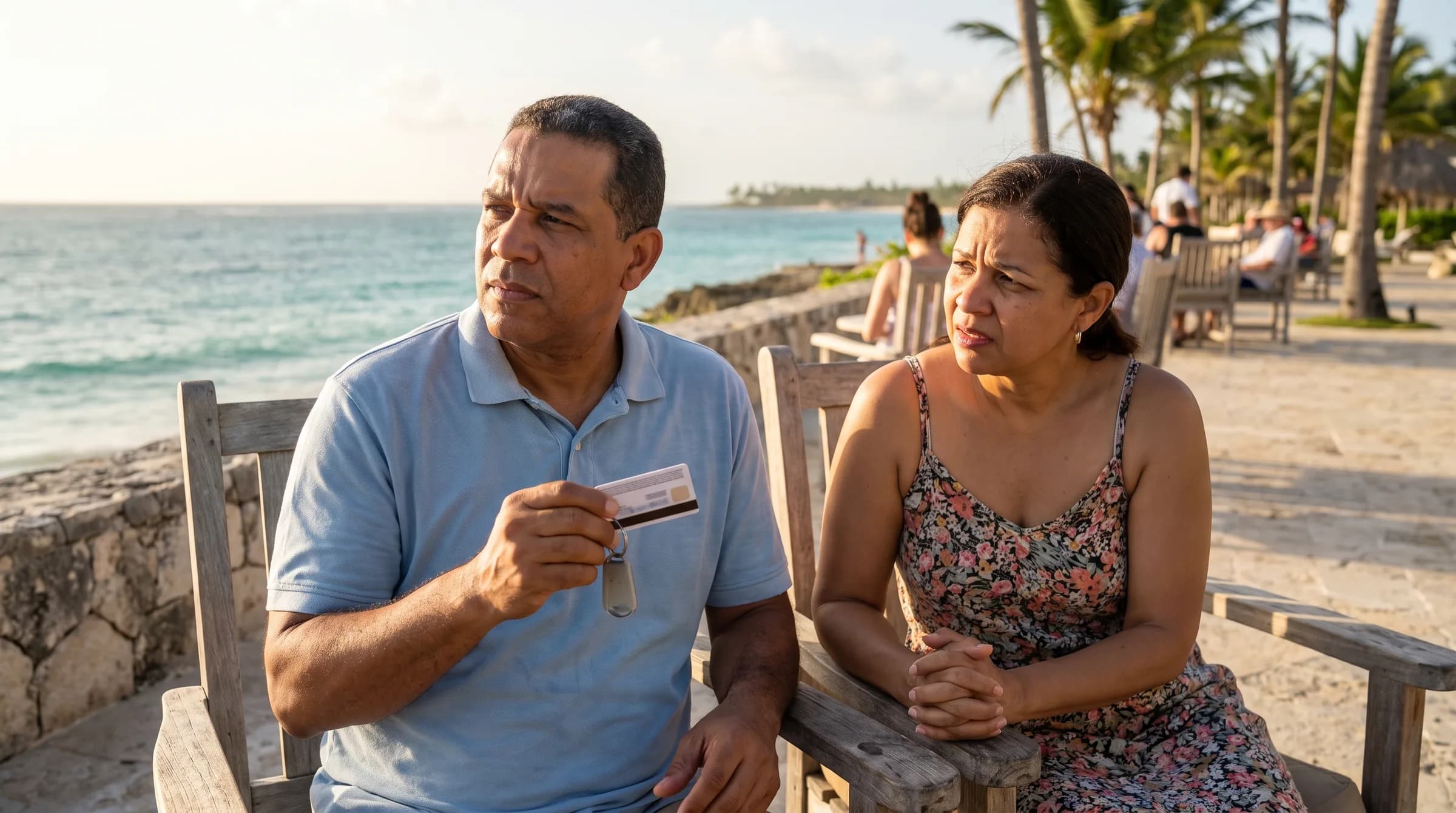
Timeshare in the Dominican Republic: What They Don't Tell You About Costs and Risks
Miguel lives in New York and received a tempting offer: a timeshare in the Dominican Republic in Punta Cana for just $25,000. The video presentation showed perfect beaches, luxurious rooms, and the promise of guaranteed vacations for 20 years. But when he started investigating the real costs and conditions, he discovered a reality very different from the initial promotion.
Miguel's confusion isn't unique. Many buyers, especially from abroad, focus on the timeshare's initial price without fully understanding the recurring costs, legal risks, and real limitations on usage that come afterward.
The Problem of Unexplained Maintenance Fees
A common belief is that after the initial payment, only "small maintenance fees" remain. In reality, these fees can be substantial and increasing. In the Dominican Republic, typical timeshare maintenance fees cover:
Toca Timbre
Verified properties, certified agents. You just decide.
- Unit cleaning and maintenance
- 24/7 resort security
- Pool and common area maintenance
- Electricity and water for shared spaces
- Complex insurance
- Administration and staff
- Reserve fund for major repairs
What many don't anticipate is that these fees can increase annually with no clear limits. A timeshare that starts at $800 in annual maintenance costs can reach $1,500 or $2,000 within a few years, especially if the resort needs major renovations or operating costs rise.
Then there are "extraordinary fees" or special assessments. If the resort needs a new roof, lobby renovation, or hurricane damage repairs, owners receive an additional bill that can be thousands of dollars, with no option to refuse.
Specific Risks of Buying From Abroad
 For buyers like Miguel who live outside the Dominican Republic, the risks multiply:
Scams Involving Fake Intermediaries
The Dominican Central Bank has warned about gangs posing as real estate brokers or lawyers. They use fake official logos and contact foreigners interested in timeshares. The scheme works like this: they promise to "facilitate" the purchase, ask for wire transfers for "taxes" or "legal fees," and once the money is received, they disappear or claim there were "problems" requiring more payments.
Lack of Clear Legal Framework
The Dominican Republic doesn't have robust, specific legislation regulating timeshares or a clear legal right of recision. This means that once the contract is signed, canceling or recovering your money becomes extremely difficult, especially for someone living in another country.
Unbalanced Contracts
Many contracts are signed under pressure during presentations lasting just a few hours, with verbal promises that don't appear in the final document. Buyers discover afterward that the actual availability of weeks, usage restrictions, and additional costs don't match what was promised.
The Reality of Sales Presentations
In major tourist areas like Punta Cana, Bávaro, and Puerto Plata, aggressive presentations linked to "free breakfasts," resort tours, or conditional gifts are common. These presentations are designed to generate quick emotional decisions.
The typical tactic includes:
- "Today only" offers that create artificial urgency
- Significant discounts if you sign immediately
- Group pressure with other "buyers" in the room
- Verbal promises that don't appear in the contract
- Difficulty leaving the presentation without buying
Additional Hidden Costs in the Dominican Republic
Beyond maintenance fees, timeshares in the DR can include:
Transfer taxes: 3% of the transaction value Legal and notary fees: Between $1,000 and $3,000 Exchange fees: If you want to use the timeshare at other locations Reservation fees: Some companies charge for making reservations Cancellation penalties: Fees if you don't use your assigned week
Red Flags for Foreign Buyers
Be suspicious if:
- You're asked for wire transfers before reviewing contracts
- You can't independently verify the seller's license
- Time pressure is intense ("offer expires today")
- There's no clear period for reflection or cancellation
- Maintenance costs seem "too cheap"
- You're not allowed to take the contract for independent legal review
Safer Alternatives to Vacation
Before committing to a timeshare, consider:
- Renting properties for short seasonal periods
- Hotels with loyalty programs
- Home exchange with other travelers
- Buying complete property if your budget allows
These options offer more flexibility and fewer complex legal commitments.
Final Reflection: The Importance of Patience
The decision to buy a timeshare shouldn't be made during a vacation or in a high-pressure presentation. It's a long-term financial decision that requires careful research, independent legal review, and complete understanding of all costs involved.
The Dominican real estate market offers many legitimate options, but it also presents specific risks for foreign buyers. The key is taking the time necessary to fully understand what you're buying before signing any document or sending money.
If you're considering real estate options in the Dominican Republic, Toca Timbre is an app where you can explore different properties listed by agents and contact them directly via WhatsApp to ask specific questions about costs, conditions, and processes. You can explore available options at Toca Timbre
Frequently Asked Questions
Is it legal to buy timeshare in the Dominican Republic from abroad?
Yes, it is legal, but the Dominican Republic doesn't have robust, specific regulation for timeshares. This means fewer legal protections for the buyer compared to other countries. It's critical to work with verified professionals and have all contracts reviewed by an independent lawyer before signing.
How much do timeshare maintenance fees really cost in the DR?
Typical fees range from $600 to $2,000 annually, depending on the resort and amenities. However, they can increase every year with no clear limits in many contracts. Additionally, extraordinary fees for major repairs can appear and cost several thousand dollars extra.
Can I cancel a timeshare contract signed in the Dominican Republic?
Cancellation is very difficult because there's no clear, specific right of recision for timeshares in the DR. Once signed, the contract is considered binding. This is why it's essential not to sign anything under pressure and always have an independent lawyer review it before committing.
Sources
- Expatriate Starter Guide - Dominican Republic Scams
- FTC - Timeshare Scams
- Punta Cana Travel Blog - Scams in Punta Cana
- Casa Dominicana - Scams in Dominican Republic
- California DRE - Timeshare Fraud Alert
- LA County DA - Fraud Alerts Timeshare
- Telemundo 52 - Timeshare Tips
- Resix App - Maintenance Fees DR