Separating Without Paper in Dominican Republic: Risks and Consequences
18 de agosto de 2026 · 4 min min read
Discover what really happens when you reserve a property without formal documents in Dominican Republic and how to protect yourself from economic losses.
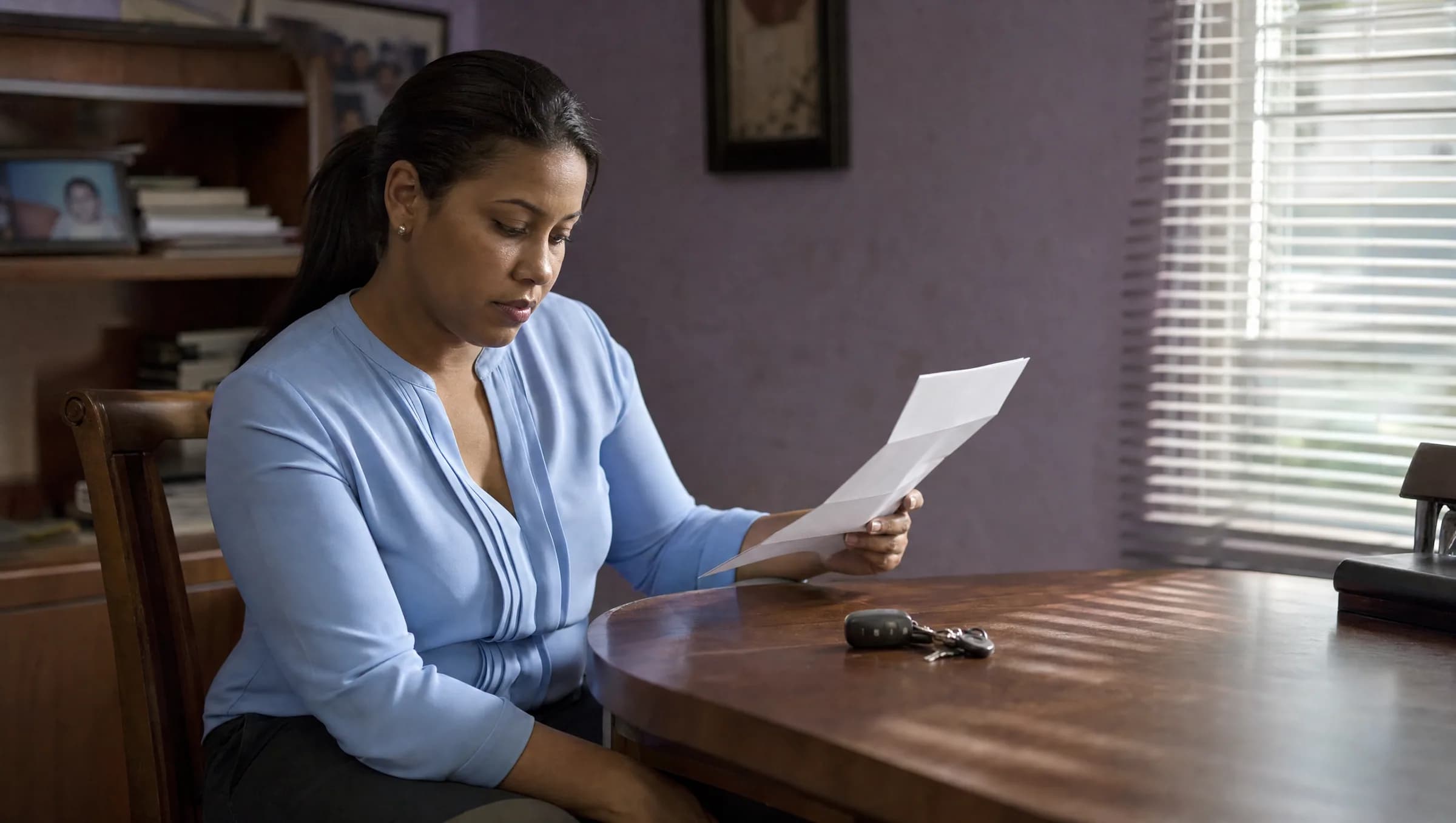
The promise that becomes a nightmare
Carlos saw the perfect apartment in Los Alcarrizos. The agent assured him that for RD$50,000 he could "reserve" it until he got financing. Two weeks later, when Carlos returned with bank documents, the agent had disappeared and the apartment was sold to someone else. His money never appeared.
In the Dominican real estate market, separating without paper in Dominican Republic is a common practice that generates more problems than solutions. Thousands of buyers hand over money trusting only verbal promises, without understanding the legal consequences of this decision.
The difference between reserving and buying
 Many people believe that "reserving" a property equals legally reserving it. This belief is incorrect and costly. Reserving without formal documents is simply commercial intent, not a legal act protecting the buyer.
Toca Timbre
Real listings. Verified agents. You decide, fear-free.
When you hand over money without a written contract, you don't have:
- Clear seller obligations
- Defined delivery timelines
- Refund conditions
- Solid agreement proof
- Effective recourse mechanisms
Conversely, a formal contract establishes precise terms, penalties for non-compliance, and legal protection for both parties.
The real risks of the Dominican market
The problem isn't the buyer's intent to secure a property. The problem is a system where informality has become normalized, creating unnecessary vulnerabilities.
Common loss scenarios
Price changes: María reserved a house in Santiago for RD$75,000. At signing time, the seller demanded RD$200,000 additional "due to market improvements."
Double sales: The same property gets reserved with multiple buyers, creating conflicts and losses for those trusting words alone.
Title problems: A property gets reserved that later presents attachments, mortgages, or legal disputes not initially disclosed.
Dishonest agents: Intermediaries collect reservation money without real owner authorization, disappearing with funds.
The safe process for reserving properties
Safe practice in Dominican Republic requires documentation from the first payment.
Mandatory prior verification
Before any payment:
- Updated title certificate from the Title Registry
- Certification of legal status of the property
- Approved survey or boundary line by the relevant agency
- Complete identification of the true owner
- Lien review (mortgages, attachments, litigation)
Minimum required documentation
Every reservation agreement should include:
- Written contract with specific terms
- Exact reservation amount
- Clear completion timelines
- Money refund conditions
- Complete identification of parties
- Detailed property description
- Signatures before a notary public
Safe payment methods
Avoid cash handovers without receipts. Bank transfers to seller company accounts create verifiable trails. On new projects, confirm it operates under escrow for greater protection.
Warning signs
- Pressure to pay "today"
- Refusal to show legal documents
- Personal accounts instead of business ones
- No physical agent office
- Prices significantly below market without explanation
New developments: special considerations
On construction projects, verify that the developer has:
- Legal project registration
- Current building permits
- Escrow operation
- Realistic delivery timeline
- Proven market experience
Payments should be tied to actual construction progress, not just building promises.
The importance of legal support
A local real estate lawyer isn't an expense, it's an investment in peace of mind. Their independent review identifies problems before they become economic losses.
Legal consultation costs represent a minimum fraction compared to potential losses from a poorly executed informal reservation.
Reflection: clarity before urgency
The anxiety of "losing the opportunity" leads to rushed decisions. However, a property not allowing document verification or time for legal review probably hides bigger problems.
The Dominican real estate market offers real opportunities for informed buyers. The difference lies in understanding that legal protection doesn't complicate the process, it clarifies it.
The true opportunity isn't getting the lowest price or the quickest decision. It's finding the right property through the right process with the right documentation.
If you're seeking to explore the real estate market with greater clarity, Toca Timbre is an app where you can see properties posted by verified agents and contact them directly via WhatsApp to ask the right questions from the start. Learn more at: Toca Timbre
Frequently asked questions
How much money is safe to hand over to reserve a property?
No amount is "safe" without formal documentation. Any sum, from RD$10,000 to RD$500,000, requires a written contract. Risk doesn't depend on amount, but on lack of legal protection. Even small reservations should be formalized with receipts, party identification, and clear refund conditions.
What if I already handed over money without paper and want it back?
Document all subsequent communication with the other party (messages, calls, witnesses). Seek legal advice immediately to evaluate recovery options. If you have bank transfers or witnesses to the verbal agreement, a lawyer can determine viable legal actions. Acting quickly increases recovery chances.
Can real estate agents receive reservation money directly?
Only if expressly authorized by the true owner and this authorization is in writing. Money must go to business accounts, never personal ones. Verify the agent has current licensing and request documents proving their legal representation of the seller. The safest practice is paying the owner directly or through escrow.
Sources
- ASVEN - Guide to Reserving a Property in Dominican Republic — https://asvenrd.com/blog/guia-para-separar-una-propiedad-en-republica-dominicana/26705
- Monografías - Doctrines of Property Partition in Dominican Republic — https://www.monografias.com/trabajos102/doctrinas-particion-inmobiliaria-republica-dominicana/doctrinas-particion-inmobiliaria-republica-dominicana2
- DIURE - Property Partition After Divorce in Dominican Republic — https://diure.com.do/particion-de-bienes-luego-del-divorcio-en-republica-dominicana/
- Wise - Buy House in Dominican Republic — https://wise.com/es/blog/comprar-casa-en-republica-dominicana
- Angela Listings - Mistakes International Buyers Make in Dominican Republic Real Estate — https://angelalistings.com/post/errores-que-cometen-los-compradores-internacionales-al-invertir-en-bienes-raices-en-republica-dominicana-y-como-evitarlos-2026