Signs of a Well-Managed Condominium in the Dominican Republic
15 de julio de 2026 · 4 min min read
Learn to identify key signs of good condominium management before buying. Practical guide for buyers in the DR.
Signs of a Well-Managed Condominium in the Dominican Republic
Carla has been visiting apartments in Santo Domingo for three weeks. Every time she leaves a condominium, she has more questions than answers. At one, the elevator sounded strange and nobody knew when it would be repaired. At another, the pool had been out of order for two months "due to lack of budget." The agent assured her these were "minor details," but Carla sensed something wasn't right.
Many buyers believe they can evaluate a condominium solely by the apartment itself: finishes, layout, views. This belief leads them to sign contracts without considering that they'll live within a shared system where management directly affects their quality of life and investment value long-term.
Physical condition reveals internal management
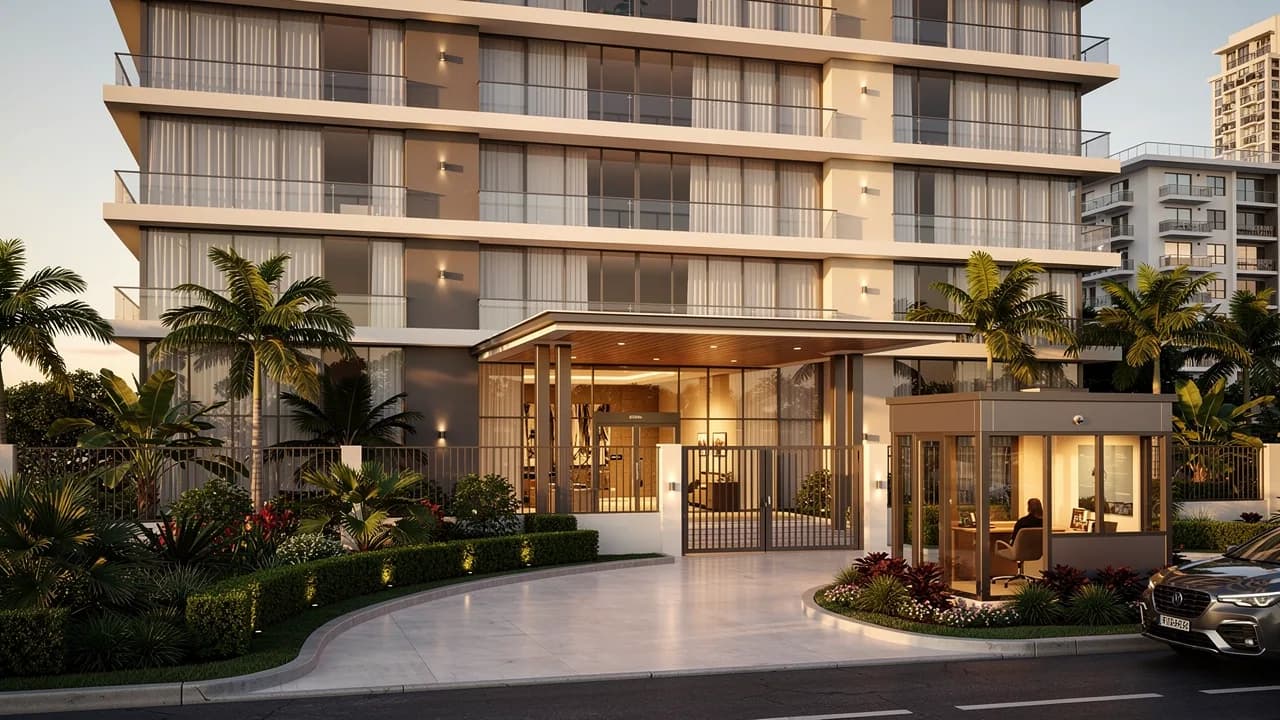
A well-managed condominium in the Dominican Republic can be detected even before talking to the agent. Common areas are the first indicator: consistent cleanliness, working lighting, maintained gardens, and equipment like pumps, generators, and elevators in apparent good condition, without strange noises or improvised repairs.
Toca Timbre
Propiedades reales. Agentes verificados. Tú decides sin miedo.
In contrast, persistent moisture stains, ignored leaks, garbage accumulated for days, and burned-out lights for weeks indicate reactive management. These "details" later translate to constant special assessments and neighbor conflicts.
Security and control: signs of order
Security in Dominican condominiums reflects the overall organization level. A healthy project maintains an operational guard station, visitor registry (manual or digital), functioning basic cameras, and personnel following clear entry and exit protocols.
When you're allowed through without being asked who you're visiting, the front door is almost always open, or controls look improvised, it's a sign of absent rules and unprofessional management.
Governance and financial transparency
Under Law 5038, every condominium in DR must operate under a property owners' consortium system, with assembly and administrator defined. An informed home-buying process includes simple but revealing questions:
- Is there a clear internal regulation?
- How often do they hold assemblies?
- How are important decisions communicated?
- What's included in the maintenance fee?
- Do they have a reserve fund?
Well-managed condominiums can answer these questions clearly. When nobody knows when the last assembly was, the regulation "nobody has it," or everything is decided via WhatsApp without formal records, that points to future disorder.
The moment of reality: RD$8,500 monthly fees
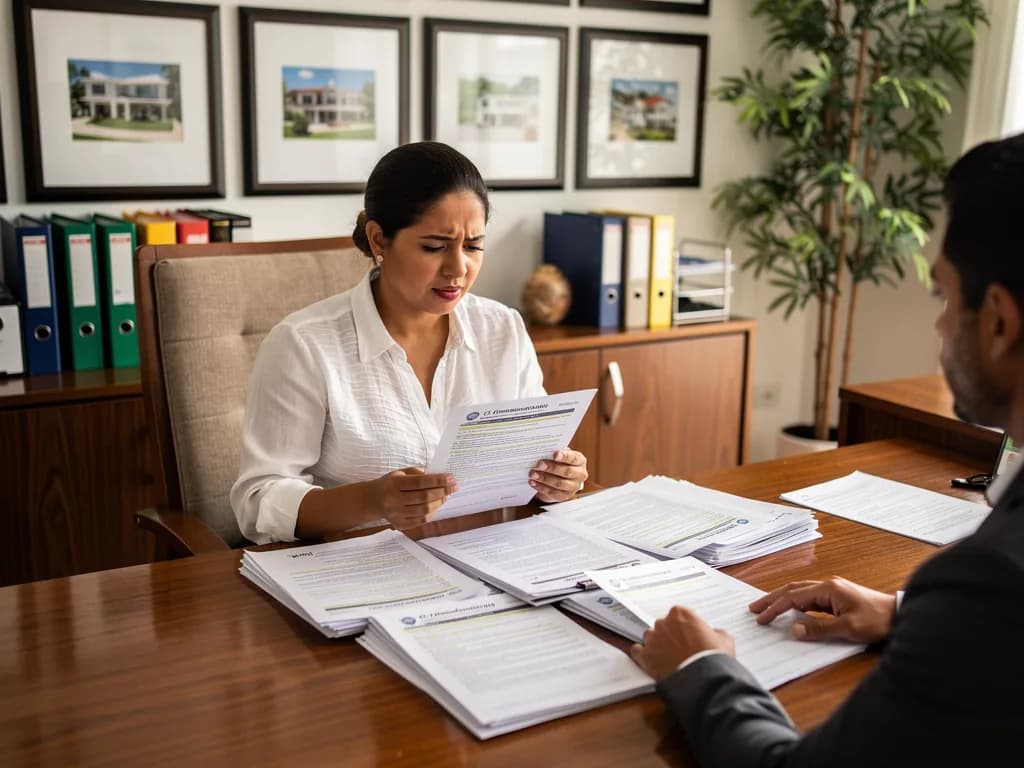
Carla found an apartment worth RD$4.2 million with maintenance fees of RD$8,500 monthly. The agent explained it includes water, 24/7 security, elevator maintenance, landscaping, and a reserve fund equivalent to six months of common expenses. The administrator could show her the annual budget, quarterly account statements, and maintenance schedule.
Compare that with a similar apartment where the fee was RD$6,800, but nobody could explain exactly what it included, no financial reports were available, and owners had just approved a special assessment of RD$35,000 per person to repair the water tank.
Communication and response to problems
Structured management handles maintenance reports with reasonable timeframes for resolution. Verified real estate agents often know these operational details because they affect client satisfaction.
Useful questions include: "When an elevator breaks or there's a leak, how long until they fix it?" A history of relatively quick solutions indicates planning and established vendors; complaints of week-long delays suggest constant improvisation.
Communication channels also matter. Well-managed projects use emails, circulars, notices, or apps to keep owners informed about maintenance and rule changes. If residents learn about everything late or through chaotic chat messages, that reflects weak administration.
The mood among residents as a thermometer
Brief conversations with security, cleaning staff, or a neighbor can reveal much about internal climate. Problem condominiums usually show open conflicts, constant complaints about management, and general distrust.
When staff feels supported, complaints are handled through clear processes, and mutual respect exists, that indicates management that works.
Beyond first impression
Buying property in the Dominican Republic means evaluating not just the building, but the system surrounding it. A beautiful apartment inside a poorly-managed condominium becomes a constant source of unexpected costs, neighbor conflicts, and value loss.
The signals are there from your first visit. The difference is knowing what to observe and what questions to ask before falling in love with a view or finishes.
For buyers like Carla, combining these observations allows filtering options and reaching more informed decisions. It's not about finding the perfect condominium, but understanding what level of order and professionalism to expect long-term.
Exploring the market with greater clarity
Navigating the Dominican real estate market is easier when you have direct access to agents who know these operational details. Toca Timbre is an app where buyers can explore properties posted by verified agents and contact them directly via WhatsApp to ask the right questions from the first contact. Toca Timbre and start your search with better information.
Frequently asked questions
What's typically included in the maintenance fee in Dominican condominiums?
The typical fee includes security, common area cleaning, basic equipment maintenance, landscaping, and administration. Some projects include water, gas, or internet. It's important that management can break down these costs with transparency and provide regular expense reports.
How can I tell if a condominium has financial problems before buying?
Warning signs include: frequent special assessments, lack of reserve fund, equipment damaged for long periods, and absence of financial reports. A healthy condominium can show annual budgets, updated account statements, and a reserve fund equivalent to several months of operating expenses.
What questions should I ask the agent about condominium management?
Key questions include: assembly frequency, existence of internal regulations, what the monthly fee covers, if there's a reserve fund, average time to resolve problems, and if they can provide direct contact with management. Vague or evasive answers are warning signs.