Do You Really Need 20% Down? The Truth About Down Payments
8 de junio de 2026 · 4 min min read
Discover why 20% isn't required in the DR. Learn the real down payment ranges and avoid miscalculating your initial payment when buying a home.
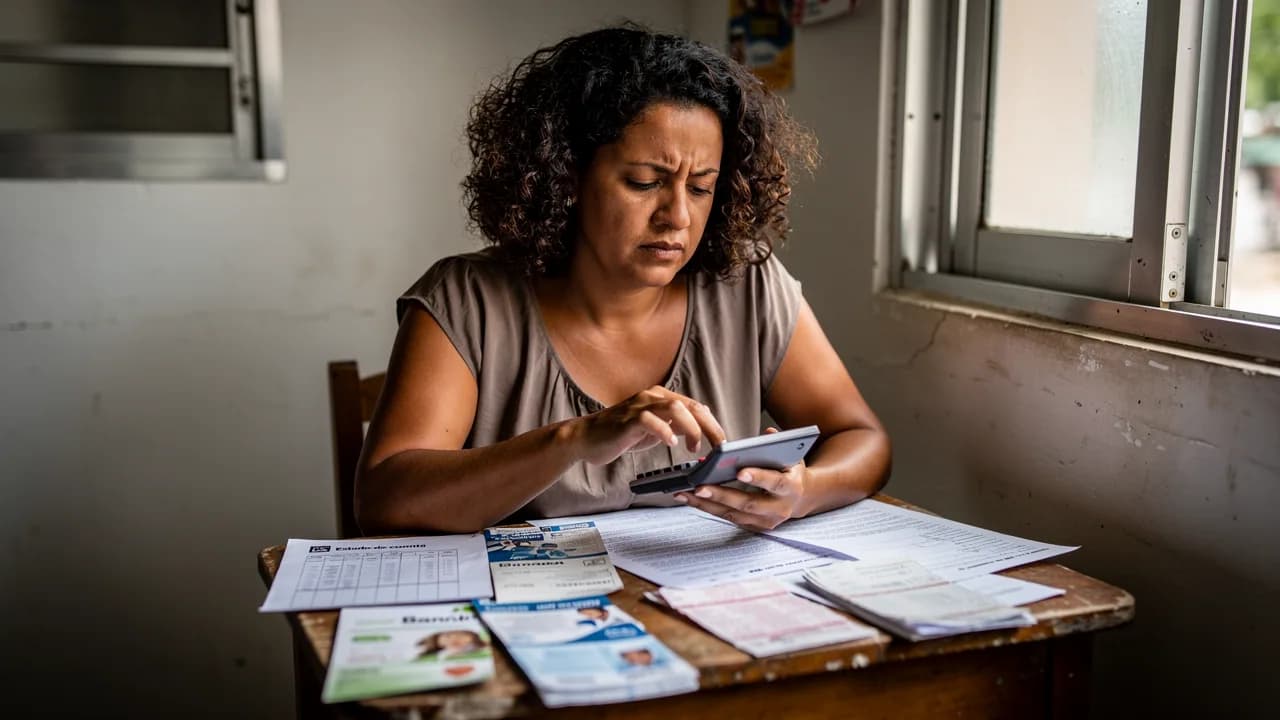
Do You Really Need 20% Down? The Truth About Down Payments in the Dominican Republic
Carla has been saving diligently for three years toward the 20% down payment for her first apartment. Each month she sets aside part of her salary, convinced that without that exact figure she won't be able to buy. The problem is that nobody has explained to her that 20% isn't a universal rule in the Dominican real estate market.
This belief, though widespread, can unnecessarily delay your first home purchase. In the Dominican Republic, the actual down payment percentage fluctuates between 10% and 30%, depending on the project, the bank, and your credit profile.
The Myth of the Fixed 20% in the Dominican Market
Toca Timbre
Propiedades reales. Agentes verificados. Tú decides sin miedo.
The 20% figure became popular as a reference point, but no law requires all buyers to meet exactly that percentage. In practice, each developer sets their own down payment policies, and each bank has different criteria for maximum financing.
Residential projects in Santo Domingo, Santiago, or Punta Cana typically offer down payments from 10% to 30% of property value. Some developers, especially in first-time homebuyer projects, allow 10% to 15% down if you work with banks that have special products for formal wage earners.
How to Determine Your Actual Down Payment
The down payment you need emerges from a simple equation: Sale Price - Amount Bank Finances = Your Down Payment
For example, if you find an apartment for US$100,000 and the bank approves financing of US$85,000 (85% of value), your down payment would be US$15,000, equivalent to 15%. You don't need the full 20%.
Factors That Influence the Financing Percentage
Your credit profile: Wage earners with stable employment and good credit history can access financing of up to 85% or 90% of appraised value.
Type of property: First home versus investment. Banks usually finance more when it's your primary residence.
Developer's policy: Some projects allow staggered down payments during construction, making the initial payment easier.
Payment capacity: Your monthly income determines the maximum amount the bank is willing to lend you.
The Most Costly Mistake: Calculating Only the Property Down Payment
Many buyers, like Carla, focus only on gathering the apartment's percentage but forget the additional closing costs. This oversight creates the real financial problem.
For a US$100,000 apartment with 15% down, additional costs can include:
- Transfer tax: Approximately 3% of registered value
- Legal fees: For title verification and support
- Bank charges: Appraisal, insurance, and administrative fees
- Notary costs: Contract formalization and title registration
These additional expenses can total US$3,000 to US$6,000 more, depending on property value.
Your Strategy for Calculating the Correct Down Payment
Before you set a savings goal, follow these steps:
- Define your price range: Set a realistic budget based on your income
- Quote with multiple banks: Each institution has different financing policies
- Ask about special programs: Many banks have first-time buyer products
- Calculate closing costs: Add all additional costs to the down payment
- Check project policies: Some developers offer payment facilities
A Smarter Approach to Your First Purchase
Instead of automatically assuming you need 20%, investigate the real options available for your profile. A wage-earning buyer with stable income may find financing of 85% to 90%, significantly reducing the initial down payment.
This doesn't mean buying without adequate financial preparation. It means calculating with real numbers, not assumptions. The difference could be several fewer years of saving or the ability to access a better property with the same budget.
The Dominican real estate market offers more flexibility than many buyers realize. The key is seeking correct information from the start, not following rules that may not apply to your specific situation.
If you're exploring the Dominican real estate market, Toca Timbre is an app where you can review properties published by verified agents and contact them directly via WhatsApp for detailed information about financing options. You can explore without pressure and with the peace of mind of connecting with sector professionals. Download the app here: Toca Timbre
Frequently Asked Questions
Can I Buy With Less Than 10% Down in the Dominican Republic?
In very specific cases, some government programs or special promotions may allow smaller down payments. However, the standard in the regular market is a minimum of 10% to 15%. It's important to verify these programs directly with financial institutions.
Can Foreigners Access the Same Financing Percentages?
Foreigners may face stricter requirements, such as higher down payments (20% to 30%) and additional income documentation. Each bank has specific policies for non-residents, so it's recommended to quote with multiple institutions.
Is It Better to Pay the Full Down Payment at Once or in Installments During Construction?
Many construction projects allow down payment in monthly installments until delivery. This arrangement can ease cash flow, but it's important to verify it doesn't generate additional interest and that the payment schedule aligns with your income.