Who contacts you when you search for an apartment in the DR: the reality
22 de marzo de 2026 · 5 min min read
The person who responds quickly on Facebook or Corotos may not be the real estate agent for that property. Understand how first contact works in real estate.
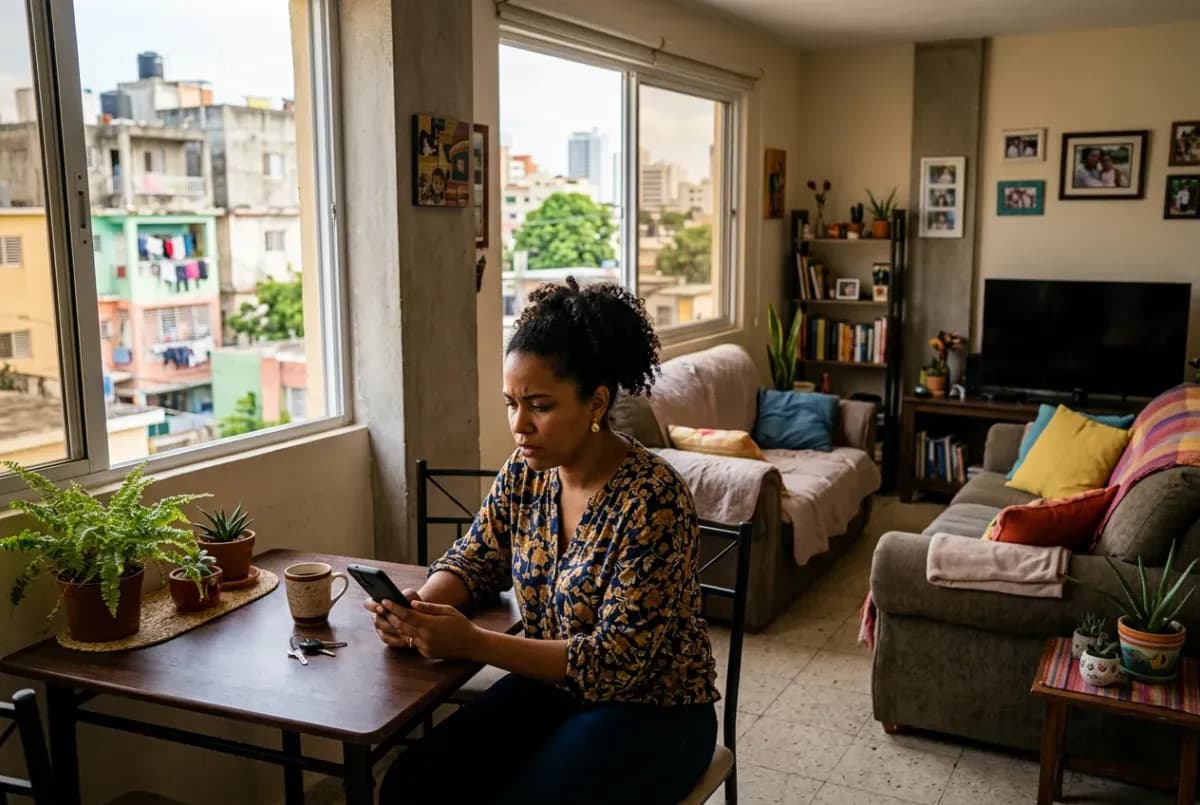
You see an apartment on Facebook Marketplace. The photos look good, the price seems reasonable. You comment "info" and five minutes later you have a direct message. You feel relieved: "Wow, they responded fast—they must be serious."
But this is where a confusion begins that most Dominican buyers don't understand until it's too late.
The belief that puts you at risk
Most people think that whoever responds first is the agent for that property. That if someone writes to you from the listing, they automatically represent the owner or have direct access to the apartment.
Toca Timbre
Propiedades reales. Agentes verificados. Tú decides sin miedo.
This belief is understandable but dangerous.
What actually happens when you comment "info"
Carla, 32 years old, was looking for her first apartment in Santiago. She saw a post in a Facebook group: 2-bedroom apartment, RD$4.2 million. She commented asking for information and received three different messages.
Three different people wrote to her about the same apartment. One told her RD$4.2 million. Another told her RD$4.5 million. The third said the price was "negotiable" but first needed to know her budget.
Carla got confused. What was the real price? Which of the three was the real agent?
The answer: possibly none of them.
The ecosystem of unverified intermediaries
In the Dominican real estate market, there's a complex chain of intermediaries. Not all are licensed agents. Not all directly represent the properties they promote.
When you post "info" on Facebook or send a message on Corotos, you might hear from:
- The original agent: who actually has the exclusive or direct listing
- A "middleman": who saw the same listing you did and is trying to connect you with someone else
- An intermediary: who works with several agents but doesn't directly represent that property
- Someone copying listings: to generate leads and then tries to find similar options for you
The problem isn't that these people exist. The problem is that you can't tell them apart at the moment of first contact.
Why the same apartment appears with different prices
You've seen this: the same apartment posted five times on Facebook with three different prices. It's not a coincidence.
Each intermediary adds their commission to the price. Or they simply make up a number to generate interest. Some post lower prices to attract more inquiries, knowing they'll later "find" options in your actual budget range.
This dynamic creates confusion in the market prices. As a buyer, you end up comparing numbers that aren't real or don't include the same conditions.
How to verify who you're talking to
Before sharing your phone number or sending your ID, you can ask some basic questions:
- "What company are you with?" — A licensed agent should have a clear answer
- "Do you have the exclusive for this property?" — This helps you understand if they directly represent the owner
- "Can we schedule a viewing this week?" — Intermediaries without actual access usually avoid specific commitments
- "Do you have other similar options in the area?" — An established agent typically manages several listings
The cost of starting your search wrong
Miguel, a Dominican living in New York, wanted to buy an apartment in Punta Cana to rent out. He started his search on Facebook Marketplace. Dozens of people wrote to him.
After three weeks exchanging messages and photos, he realized he'd been talking mainly with intermediaries who had no direct access to the properties. He wasted time and felt frustrated with the process.
When he finally connected with verified agents, he found better options in two weeks.
The importance of verifying from the start
Where you start your home search in the Dominican Republic determines the quality of your entire experience. If you start on platforms where you can't verify who contacts you, you enter a maze of unverified intermediaries.
This doesn't mean all intermediaries are problematic. It means that as a buyer you need clarity about who you're talking to before investing time and emotional energy in the process.
Agents affiliated with associations like AEI (Asociación de Empresas Inmobiliarias) have clearer verification standards. But on social media and traditional directories, this information isn't always visible.
Reflection: clarity over speed
Response speed isn't synonymous with professionalism. The agent who responds fastest might simply be the one with the fewest commitments or the one who manages the fewest properties.
Before getting excited about photos or prices, spend five minutes understanding who you're talking to. This simple verification can save you weeks of unnecessary confusion and frustration.
The Dominican real estate market has excellent professionals. The challenge is connecting with them from the first step.
If you're looking for a more structured experience to explore the Dominican real estate market, Toca Timbre is an app where you can see properties posted by agents and contact them directly via WhatsApp. It's not a guarantee of results, but it does offer more clarity about who's on the other end of the conversation from first contact.
Frequently asked questions
How do I know if a real estate agent is licensed in the Dominican Republic?
You can ask them directly for their license number and verify with the Real Estate Companies Association (AEI) or perhaps in the future with the Dominican College of Real Estate Agents (CODABIRE). A professional agent won't have a problem sharing this information. You can also ask them to show you their professional ID card at the first meeting.
Why does the same apartment appear with different prices on Facebook?
This happens because multiple intermediaries post the same property, each adding their commission or making up prices to generate interest. Some copy photos from original listings without having actual access to the property. To avoid confusion, always ask the contact if they have the exclusive for that property or if they're an intermediary.
Is it safe to search for apartments on Facebook Marketplace in the Dominican Republic?
Facebook Marketplace can have legitimate options, but it requires more verification on your part. The main risk is not being able to confirm who's contacting you or if they actually represent the properties posted. It's recommended to use this platform as a starting point, but always verify the agent's credentials before sharing personal information or scheduling appointments.