Who responds when you search for properties in the DR? The reality
20 de marzo de 2026 · 5 min min read
Discover why whoever responds to your real estate message may not be who you expect—and how to protect yourself in the Dominican market.
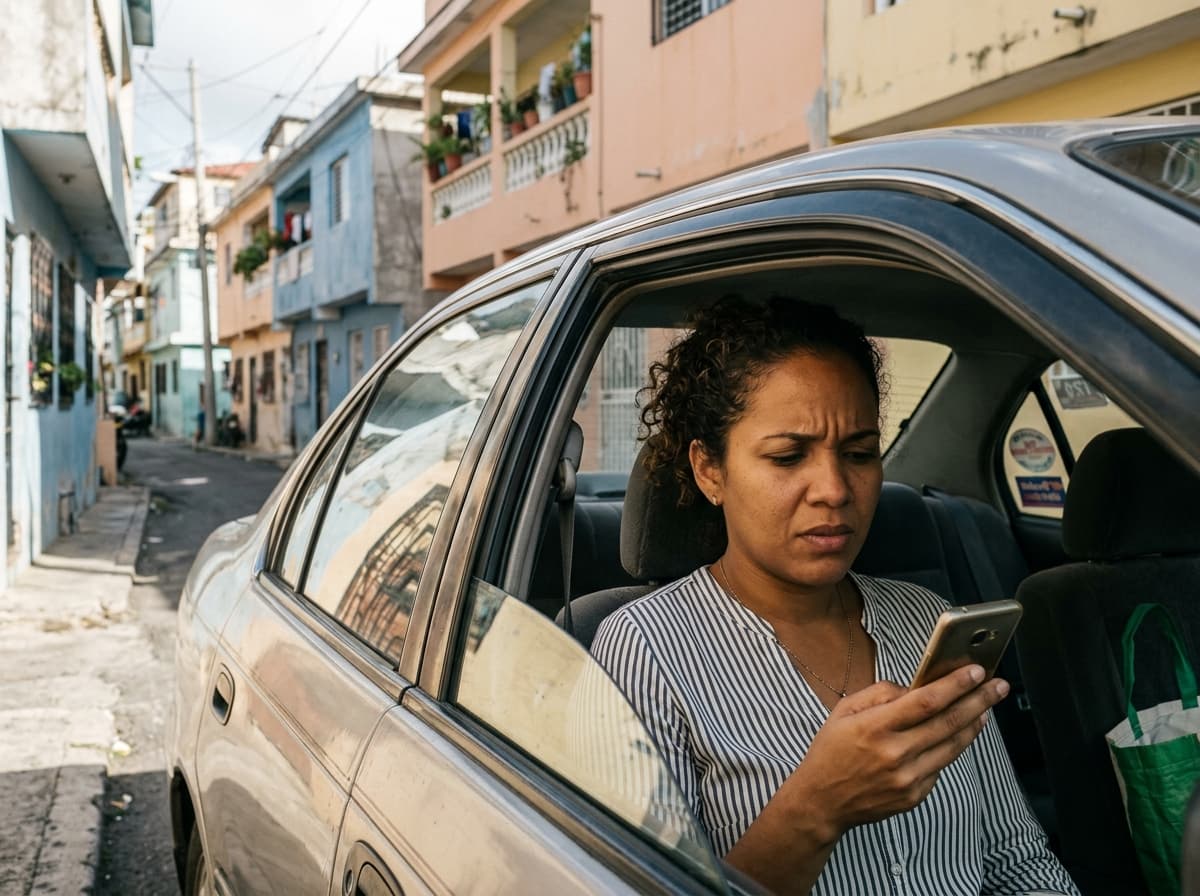
When you message about a property on Instagram or Facebook, you assume the person who responds is the official agent. It makes sense to think so: they have professional photos, they know the price, they handle the details. But the reality of the Dominican real estate market is more complicated.
The problem isn't that you're searching wrong. The problem is that the system allows anyone to come between you and the real information about a property.
The moment of confusion that buyers experience
Imagine this situation: you find a RD$3.2 million apartment in Naco. You message the profile that posted the photos. They respond quickly, with precise details: "125 square meters, 3 bedrooms, parking included, available to view tomorrow."
Toca Timbre
Propiedades reales. Agentes verificados. Tú decides sin miedo.
You feel relieved. Finally, someone professional who knows what they're doing.
But when you ask about their license or what company they represent, their answers become vague. "I work independently," "I'm an international broker," "That's not how it works here."
That's when you realize: you don't actually know who you're talking to.
The misconception about real estate intermediaries
Most people believe that if someone has access to detailed information about a property, they're automatically authorized to represent it. This belief is based on how markets work in more regulated countries.
But in the Dominican Republic, where there's still no law requiring a license to operate in real estate, anyone can:
- Copy photos of properties from other listings
- Get basic information and redistribute it
- Present themselves as a "broker" without verification
- Act as an intermediary without legal authority from the seller
This doesn't mean all agents are fraudulent. It means that your first contact with a real estate agent can determine whether your process will be transparent or filled with unverified intermediaries.
How the chain of intermediaries really works
In the Dominican real estate market, it's common for a property to pass through multiple hands before reaching the final buyer:
- The original agent: has the real mandate from the owner
- The sub-agent: knows the original agent, may have partial access
- The "middleman": saw the property online, republishes it without authorization
- The occasional intermediary: someone who "knows someone" who's selling
When you search for a home purchase in the Dominican Republic in traditional directories, you can contact any of these levels. And the problem is you don't know which one until it's too late.
The signs that reveal an unverified intermediary
There are patterns that repeat when you contact someone who isn't the real agent:
- Generic responses: they know the price and square meters, but not specific details like exact age, actual common fees, or property history.
- Evading credentials: they don't show a license, registration number, or affiliation with recognized real estate associations.
- Pressure with multiple offers: "There are three other offers" without being able to show evidence or documentation to back it up.
- Lack of direct access: they can't coordinate immediate viewings or need to "consult with their contact" for basic answers.
The hidden cost of starting with unverified intermediaries
Beyond the risk of direct fraud, working with unverified intermediaries creates hidden costs:
- Wasted time: you can spend weeks evaluating properties that aren't actually available or whose prices aren't real.
- Distorted information: details can change as they pass through different intermediaries, leading you to make decisions with incorrect data.
- Legal complications: if you decide to buy, problems with legal representation may arise that you didn't anticipate at the start.
- Unintentional overpayment: each intermediary may add their commission, inflating the final price without you knowing it.
The importance of first contact in your real estate search
In a disorganized market, how you search for property in the DR determines everything that comes after. If you start by contacting unverified intermediaries, it's hard to gain clarity later.
The difference between a transparent process and one full of confusion is defined in the first contacts. That's why many experienced buyers prioritize platforms where verified real estate agents are clearly identified from the start.
This doesn't guarantee there won't be problems, but it significantly reduces the likelihood of unpleasant surprises during the home-buying process.
A clearer perspective for your search
The Dominican real estate market isn't going to regulate itself overnight. In the meantime, the responsibility to verify who you're talking to falls on you as a buyer.
It's not about distrusting all agents. It's about understanding that where you start your search determines the level of transparency you'll have throughout the entire process.
A good first step is to use platforms that prioritize agent verification from the start, so you know who you're talking to before investing time and emotions in a search.
If you're looking for more clarity in your real estate process, you can explore Toca Timbre, an app where buyers can see properties posted by verified agents and contact them directly via WhatsApp, knowing from the start who they're talking to.
Frequently asked questions
How can I verify if a real estate agent is legitimate in the Dominican Republic?
You can request their license number and verify their affiliation with the Real Estate Companies Association (AEI). It's also useful to confirm they have a physical office and verifiable presence in the market. Legitimate agents have no problem providing this information.
Is it normal to have multiple intermediaries for a single property?
Yes, it's common in the Dominican market for a property to be handled through multiple agents or intermediaries. However, you should know what level of the chain you're at and whether the person you're talking to has actual authorization from the owner to represent the sale.
What risks exist when contacting unverified agents?
The main risks include wasting time with properties that aren't available, incorrect information about prices or conditions, possible additional costs from hidden commissions, and in extreme cases, exposure to real estate fraud. Initial verification significantly reduces these risks.