What Are Easements in the Dominican Republic and Why They Matter
13 de octubre de 2026 · 5 min min read
Discover why easements can limit your property and how verified agents help you spot them before you buy in the DR.
What Are Easements in the Dominican Republic and Why They Matter
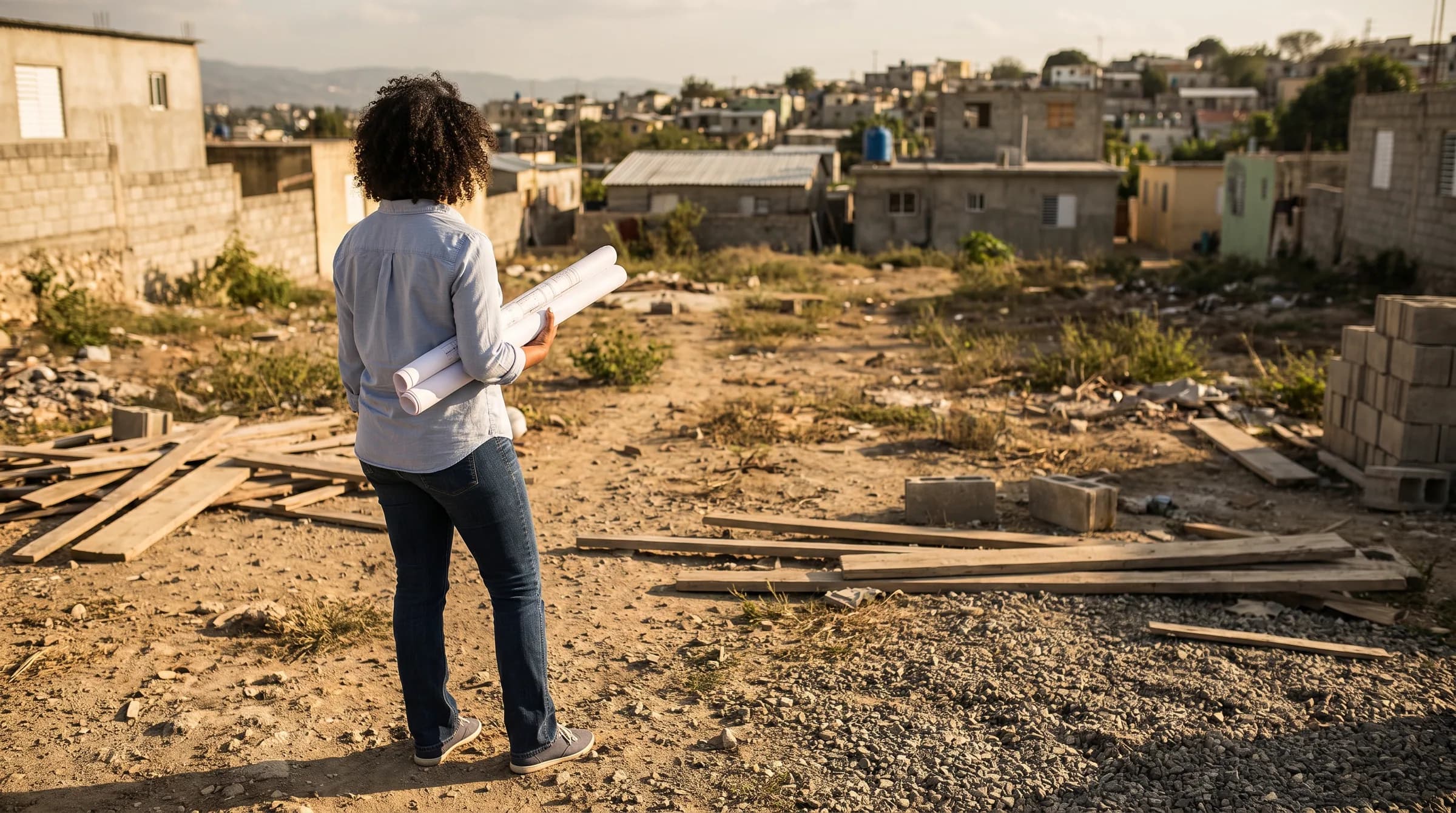
When María found the perfect lot in Santiago, she thought she'd hit the real estate jackpot. It had the price she was looking for, the exact square footage for her house, and a quiet neighborhood. Three months after the purchase, when she started building her perimeter fence, her neighbor showed up with papers from the Title Registry. He showed her that the west side of "her" land was actually a legally recorded right-of-way easement in the Dominican Republic, through which he and two other property owners had perpetual transit rights.
This story repeats far more often than you'd think in the Dominican real estate market. Easements are one of the least understood legal limitations for first-time buyers, but one of the most important when determining what you can actually do with a property.
What Is an Easement and How Does It Affect Your Property
According to the Dominican Civil Code, an easement is "a charge imposed on one property for the use and benefit of another property belonging to a different owner." Simply put, it means your land may be legally obligated to allow others to use a specific part of it.
Toca Timbre
Verified properties, certified agents. You just decide.
The most common easements in the Dominican Republic include:
- Right-of-way easements: Roads where neighbors must pass to reach their properties
- Water line easements: Water pipes that cross your land
- Drainage easements: Drainage systems you cannot obstruct
- View easements: Restrictions on building anything that blocks neighboring properties' views
- Electric easements: Power lines requiring clear space
Most importantly, understand that these limitations don't disappear when you buy the property. They remain in effect and must be respected, regardless of whether the seller mentioned them during negotiation.
The Common Mistake: Thinking Only About Square Footage and Price
 Most first-time buyers evaluate properties with a simple formula: location + square footage + price = decision. This approach completely ignores easements and can turn what seemed like an excellent purchase into a permanent source of problems.
Consider a concrete example: An 800 square-meter lot in Puerto Plata is offered at RD$2,500,000. The price per square meter seems reasonable compared to the area. However, if 150 square meters of the property are affected by a recorded right-of-way easement, the actually usable area drops to 650 square meters. The real price per usable square meter increases significantly, and permanent limitations remain on where and how you can build.
This type of information doesn't appear in social media posts or casual conversations with sellers. It requires document review at the Title Registry and technical knowledge to interpret the recorded charges.
How Verified Agents Detect Easements
The difference between working with a verified agent and relying on informal information lies in the systematic document review process. A serious professional follows specific steps:
Title Certificate Review
They request and examine the updated certificate from the Title Registry, where all formally recorded easements must appear. They don't settle for old copies or verbal statements from the owner.
Physical vs. Legal Verification
They compare what appears on the ground with what's officially recorded. An entrance that looks private might legally be shared access, or vice versa.
Background Research
They investigate the property's history to identify prior easement agreements, court decisions, or registral changes that may affect how you can use the land.
Technical Interpretation
They translate the legal language from the registry into practical terms: exactly where you can build, what height restrictions exist, what accesses must remain clear.
This process requires time, experience, and access to official documentation. It's not something you can resolve with a quick site visit or a phone call.
The Easements You Can't See
Some easements are obvious: a visible road, an exposed pipe, electrical cables. But others are "non-apparent" and exist only on paper, like prohibitions against building above a certain height, restrictions on commercial use, or fencing limitations.
These hidden easements represent the biggest risk for buyers who don't do proper due diligence. They can be discovered months or years later, when you apply for a building permit or when a neighbor exercises a right you didn't know existed.
A typical case involves easements prohibiting construction in strips near rivers, ravines, or risk zones, which severely limit building options but aren't obvious during a casual site visit.
Why the Process Matters From the Beginning
Easement detection isn't something you can leave for "later," after you've already negotiated the price or signed a preliminary contract. These limitations directly affect the property's value and the feasibility of your plans.
When the search process starts in an organized way, with agents who understand these technical aspects, costly surprises are avoided. You can make informed decisions: whether the easements work with your plans, whether the price should be adjusted based on limitations, or whether you should look at another property.
Reflection: Clarity Before You Commit
Buying a property with easements isn't necessarily bad, but buying one without knowing about them definitely is. The Dominican real estate market has many excellent properties that include perfectly manageable easements. The key is knowing exactly what limitations exist and how they affect your specific plans.
Peace of mind in a real estate investment doesn't come from finding the lowest price or the largest lot, but from completely understanding what you're buying. Easements are a fundamental piece of that understanding.
If you're starting to explore the Dominican real estate market, consider using tools that connect you with agents who follow verified processes. Toca Timbre is an app where you can browse properties posted by real estate professionals and contact them directly via WhatsApp once you're clear about what you're looking for. You can explore options at Toca Timbre
Frequently Asked Questions
How can I know if a property has easements before I buy it?
You should request an updated title certificate from the Title Registry, where all formally recorded easements appear. It's also recommended to do a physical inspection with an agent who knows what to look for and how to interpret registral documentation.
Can I eliminate an easement after buying the property?
Easements are real property rights that generally remain in effect regardless of property ownership changes. Eliminating them requires agreement with the easement beneficiary or, in some cases, complex court procedures. It's much better to know about them before you buy.
Do easements affect the value of my property?
Yes, easements can reduce a property's value because they limit use and construction options. However, the impact depends on the type of easement, its specific location, and your plans for the property. This is why it's important they're reflected in the purchase price.
Sources
- Civil Code of the Dominican Republic — http://www.senado.gov.do/masterlex/MLX/docs/1C/2/11/18/1E7A.htm
- Real Estate Law Guide — https://es.scribd.com/document/583435066/Libro-de-Derecho-Inmobiliario
- Real Estate Registry - Easement Process — https://ri.gob.do/wp-content/uploads/Tramites/RT/SERVIDUMBRE.pdf
- Legal Concepts - Right-of-Way Easement — https://www.conceptosjuridicos.com/do/servidumbre-de-paso/
- On Easements Dominican Republic — https://ro.scribd.com/document/598112345/DE-LAS-SERVIDUMBRES-Republica-dominicana