What to Ask Before Reserving a Property in the Dominican Republic
29 de agosto de 2026 · 5 min min read
Discover the essential questions that protect your money before reserving a property. Avoid surprises and evaluate whether the agent is truly transparent.
What to Ask Before Reserving a Property in the Dominican Republic
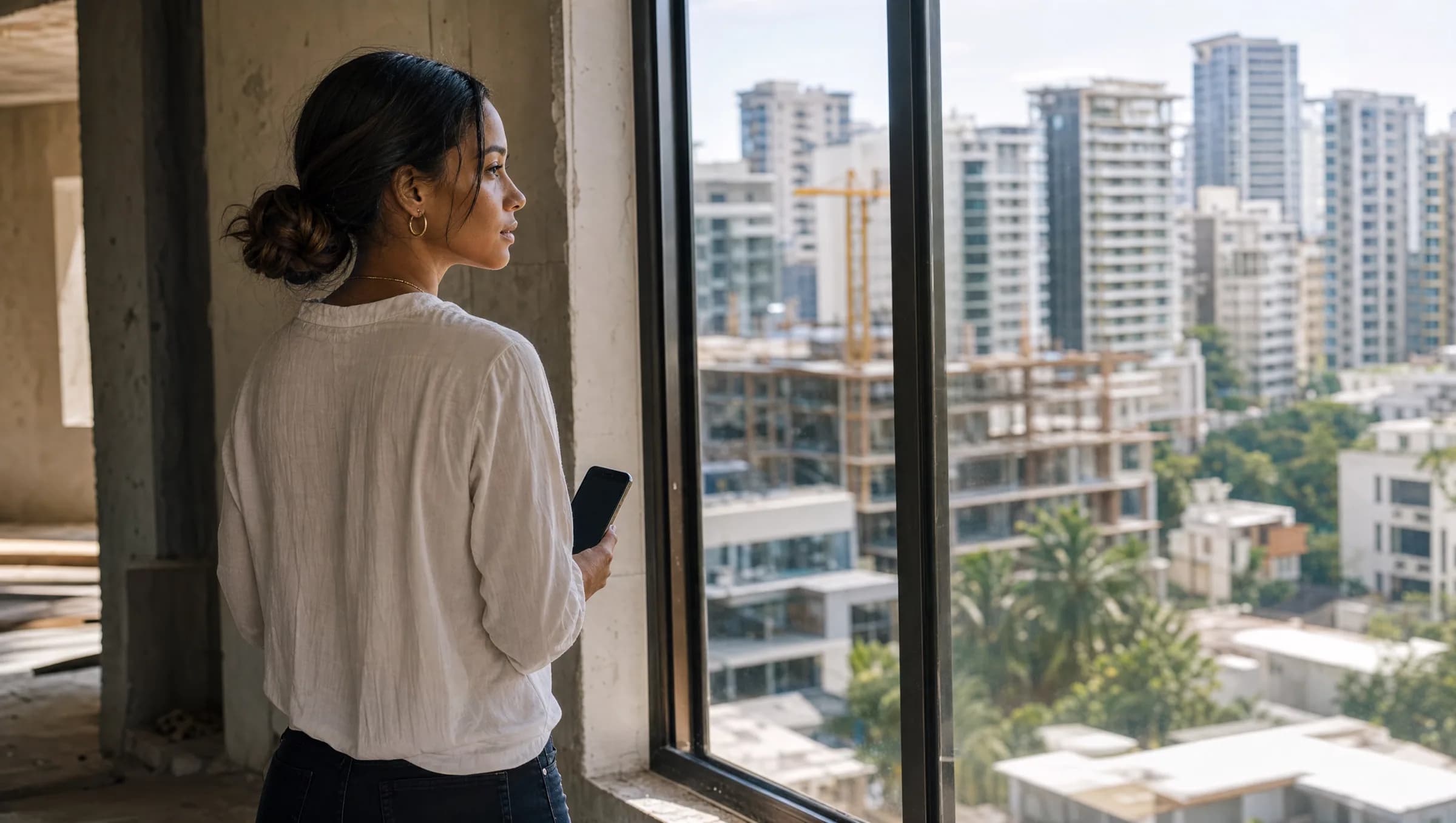
Carla has been reviewing apartments in Santo Domingo for three weeks. She found one she likes, the agent tells her "only two units left" and asks for a reservation fee of RD$200,000. She feels pressure, but something doesn't sit right: what if she discovers problems with the documents afterward? What if the project doesn't have complete permits?
This situation is common in the Dominican real estate market. Many buyers believe that reserving is just transferring money and signing, but reality is that this step determines everything that follows. The right questions in first contact with the agent can protect your investment and prevent regrets.
The Real Problem: Reserving Without Clear Information
In the Dominican Republic, "reserving" a property means signing a reservation agreement and paying an initial sum to lock the unit while documentation and the definitive contract are completed. The problem arises when buyers don't understand exactly what they're signing or under what conditions they can recover their money.
Toca Timbre
Verified properties, certified agents. You just decide.
The confusion is understandable. The local real estate system doesn't always operate with the transparency it should, and many agents pressure for speed rather than clarity. This leaves buyers like Carla in a vulnerable position: they want to secure the property, but fear making a financial mistake.
The Four Questions That Protect Your Money
1. Exact Conditions of the Reservation Fee
Key Question: "What exactly is the reservation fee amount, what does it include, and under what conditions is it returned?"
The agent should explain in detail: the exact amount, whether it applies to the initial or is only reserve, and under what circumstances you can recover that money or lose it. A serious agent will show you a document where all this is clearly defined in writing. If they can't, that's an alarm signal.
For example, if the fee is RD$150,000, you need to know whether that amount comes off your initial when you sign the definitive contract, or if it's additional. You also need clarity on timelines: do you have 15, 30, or 60 days to complete documentation before losing the reserve?
2. Property and Project Documentation
Key Question: "What documents of the property and project will I receive before reserving and who issues them?"
Before committing money, you should request a copy of the title certificate and the Certification of Legal Status of the Property. These documents show who the actual owner is and whether mortgages, liens, or other charges exist on the property.
It's also fundamental to request the approved survey, and if it's a condo or new project, the construction permits and condo regulations. A transparent agent will explain that these documents come from the Registry of Titles, the Property Court, and the municipality, and will be willing to deliver them or coordinate their review with a real estate attorney.
3. Agent and Developer Verification
Key Question: "How can I verify that you and the developer are legally registered and verified?"
You can request the developer's RNC, company documentation, commercial registry copy, and evidence that the project complies with approved land use by the municipality. If it's a new project, ask if it's managed through a real estate trust, which offers greater protection.
A trustworthy agent won't be bothered by these requests. On the contrary, they'll see them as normal process elements and proof that you're a serious, informed buyer.
4. Complete Process Steps
Key Question: "What are the steps from reservation to me receiving the title in my name, with approximate timelines and who's responsible if there are delays?"
You need a clear outline including: signing the reservation agreement, due diligence timeframe, signing the purchase contract, payment schedule, estimated delivery date, and title transfer management at the Registry of Titles.
It's fundamental that the agent clarifies all contracts will be in Spanish, the operation will have local real estate attorney support, and you won't sign documents affecting your property rights before the title is in your name. Also ask what penalties apply for project delays and what mechanisms you have to claim.
A Concrete Example: Miguel's Experience
Miguel, 35-year-old engineer, wanted to buy a RD$4.5 million apartment in Santiago. On first contact, the agent asked RD$180,000 to reserve "because there's high demand". Miguel applied these questions and discovered that:
- The fee didn't come off the initial (it was additional)
- The project didn't have all construction permits
- The developer didn't operate through a trust
- There were no clear penalties for delivery delays
Thanks to these questions, Miguel avoided committing money to a project with evident risks. He kept searching and found another option where the agent answered all his questions with verifiable documents.
The Difference Between Pressure and Professionalism
An agent who pressures for speed without providing clear information isn't protecting your interests. Reserving a property is an important step that deserves time and transparency. A truly professional person will understand that your questions are legitimate and necessary.
Remember that where you start your real estate search determines the quality of agents you connect with. Searching on platforms where agents are verified gives you greater probability of finding professionals who answer these questions with transparency.
In a market where clear information can be scarce, asking the right questions from first contact is your best tool to protect your investment and prevent regrets.
If you're starting your property search, Toca Timbre is an app where you can explore options published by agents and contact them directly via WhatsApp to ask these essential questions from the first moment. You can download it here: Toca Timbre
Frequently Asked Questions
How much time do I have to decide after reserving a property?
This depends on the reservation agreement you sign. Typically, timelines vary between 15 and 60 days to complete due diligence and sign the definitive contract. It's crucial this timeline is clearly stated in the reservation document and you understand what happens if you need more time.
Can I recover the reservation fee if I decide not to buy?
This depends on the specific conditions of the reservation agreement. Some contracts allow you to recover the money if you withdraw within a certain period or if legal problems with the property are discovered. Others state that you lose the fee if you decide not to proceed. That's why understanding these conditions before paying is critical.
What should I do if the agent refuses to show me documents before reserving?
If an agent refuses to show basic documentation like the title certificate or project permits, that's an important alarm signal. A serious professional will understand these requests are part of the normal buying process. In this case, it's advisable to seek other options with more transparent agents.
Sources
- Guide to Reserving a Property in the Dominican Republic — https://asvenrd.com/blog/guia-para-separar-una-propiedad-en-republica-dominicana/26705