What to Ask Your Agent Before Signing a Power of Attorney for Real Estate in DR
27 de julio de 2026 · 5 min min read
The 4 key questions every buyer must ask before granting power of attorney to a real estate agent in the Dominican Republic. Protect your investment.
The Buyer's Most Vulnerable Moment
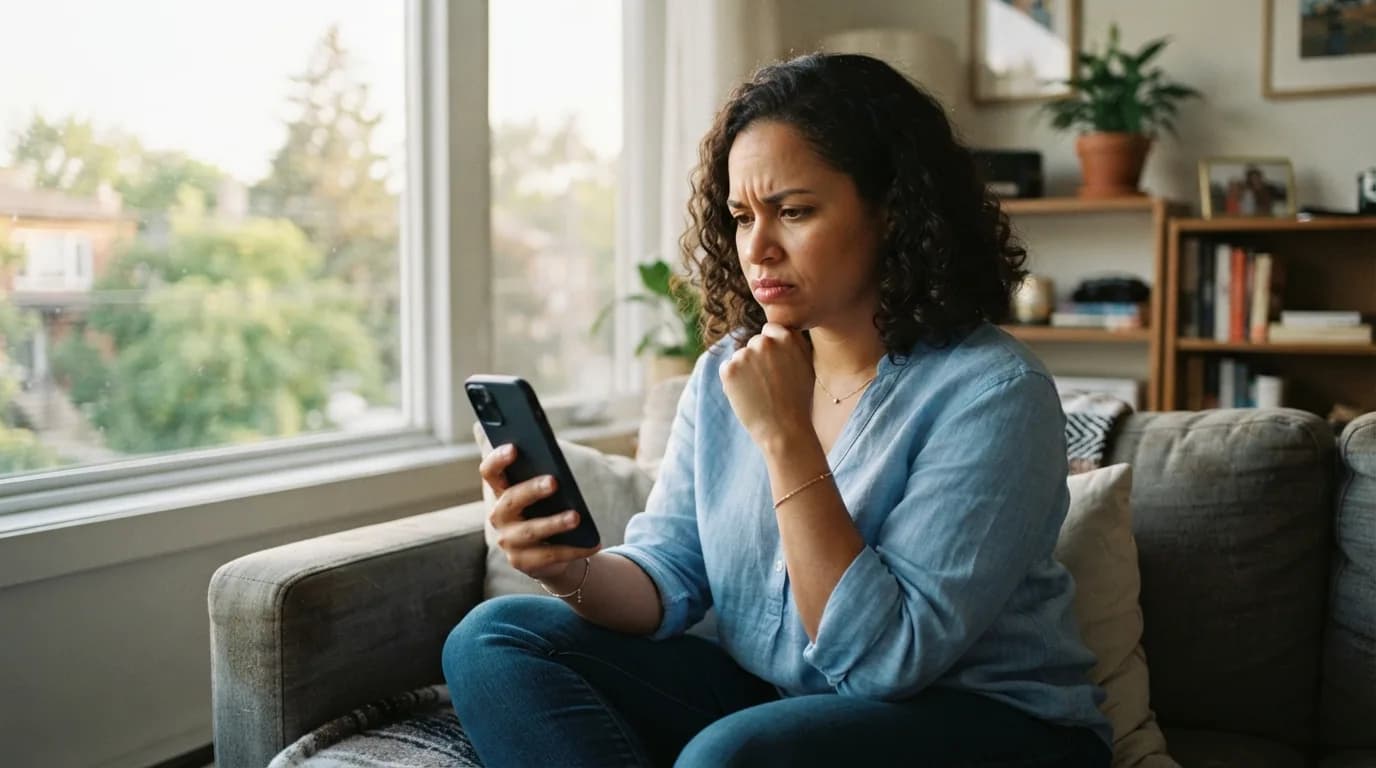
Carla has been looking for an apartment in Santo Domingo from New York for three months. She found a property she likes in the Colonial Zone for RD$4.2 million, but she can't travel to close the purchase. The agent suggests she sign a power of attorney to represent her in the transaction.
"It's very simple," he tells her over WhatsApp. "You sign the power at the consulate and I'll handle everything."
Carla feels a mix of relief and anxiety. On one hand, she can finally move forward with the purchase. On the other, she's about to grant a stranger the legal power to sign contracts and manage her money.
Toca Timbre
Propiedades reales. Agentes verificados. Tú decides sin miedo.
The Misconception About Real Estate Powers of Attorney
 Many buyers believe that signing a power of attorney is simply an administrative formality. "If the agent has good references, there's no problem," they think.
The reality is different. A real estate power of attorney is not just a document that allows you to sign papers. It's a legal tool that can determine the success or failure of your most important investment.
In the Dominican real estate market, where many transactions involve buyers abroad, powers of attorney are common but also the point where the most mistakes are made.
The Four Questions That Protect Your Wealth
1. What Is Your Experience Handling Powers of Attorney in Real Estate?
This is not the typical question about "years in the market." You need to know specifically:
- How many transactions has he closed using powers of representation
- Whether he has worked with Dominican buyers abroad
- What notaries and lawyers are part of his professional network
- Specific references from clients who granted him similar powers
An agent experienced in powers of attorney understands consular requirements, knows the procedures of the Title Registry and can coordinate with lawyers specializing in transactions with non-residents.
Red flag: If he dodges the question or says "don't worry, I'll take care of everything" without giving specific details.
2. What Process Will You Follow to Protect My Interests?
The agent should explain step-by-step what he will do with the power you grant him:
- How he will review the title certificate and legal documentation
- What verifications he will make before signing any document
- How he will communicate with you before making important decisions
- What limits he will respect regarding price and payment conditions
In Carla's case, a good agent would explain: "Before signing the purchase agreement, I verify that the title certificate is free of liens, coordinate with my trusted lawyer to review all documents, and send you photos of each paper before signing it. You approve each step over WhatsApp."
Red flag: Vague responses like "trust me" or "we'll see how it goes."
3. What Are Your Fees and How Do They Align With My Interests?
The commission structure can create conflicts of interest when handling a power of attorney. You need to understand:
- How much he will charge and who will pay his fees
- Whether he has incentives to close quickly at any price
- What other costs might arise during the process
- Whether he represents the seller as well (a common situation but one that creates conflicts)
A transparent agent will tell you: "My commission is 3% of the final price, paid by the seller, and I work exclusively for you in this transaction. I'm not in a hurry to close if the conditions aren't clear."
Red flag: Evasiveness about his fees or pressure to "close quickly before the price goes up."
4. Can You Prove You're a Verified Professional?
Before granting a power of attorney, you need concrete evidence that the agent is trustworthy:
- Registration with recognized real estate associations
- Physical office and verifiable business name
- References from lawyers and notaries he works with
- Contacts from previous clients who used similar powers
In the Dominican Republic, many "agents" operate informally. A serious professional will provide all this information without problems.
Red flag: Only has WhatsApp as contact or refuses to provide specific references.
The Most Costly Mistake: The Poorly Drafted Power of Attorney
Even with a good agent, many buyers make the mistake of signing generic powers of attorney downloaded from the internet.
Carlos, a Dominican living in Miami, signed a "standard" power without legal advice. When his agent tried to use it to buy an apartment in Punta Cana, the notary rejected it because it didn't clearly specify the property or the authority to manage financing.
Result: Carlos had to travel to Miami again, go to the consulate, pay consular fees again, and wait three additional weeks. The property he wanted was sold to another buyer.
How a Real Estate Power of Attorney Should Be Properly Drafted
An effective power must include:
- Precise property identification: Title certificate number, exact location, boundaries
- Specific powers: Sign contracts, manage payments, represent at notaries and Title Registry
- Economic limits: Maximum authorized price, acceptable payment method
- Defined term: Specific validity period, not indefinite
- Legal status: Whether you're buying as an individual, corporation, or married couple
Key recommendation: Never sign a power without a lawyer specializing in real estate transactions drafting or reviewing it.
The Difference Between Trust and Caution
Granting a power of attorney doesn't mean relinquishing control. It means carefully choosing who you give that control to and under what conditions.
Carla, after asking the four questions, decided to work with an agent who gave her clear answers, provided verifiable references, and coordinated with a lawyer to draft the power specifically for her transaction.
Her purchase closed without a hitch in 45 days. The agent sent her photos of each document before signing and consulted her about every important decision.
The difference wasn't luck. It was preparation.
Frequently Asked Questions
Is it mandatory to use a power of attorney to buy properties in the Dominican Republic from abroad?
It's not mandatory, but it's the most common and efficient practice. You can travel for each signature, but this is costly and impractical for most buyers. A power of attorney allows you to close the transaction without being physically present, as long as it's properly drafted and granted to a trusted professional.
What's the difference between a consular power and a notarial power?
The consular power is signed at a Dominican consulate abroad and is the most common option for non-resident buyers. The notarial power is signed before a notary in the Dominican Republic. Both have the same legal validity, but the consular option is more practical if you're abroad. Both must be specifically drafted for real estate transactions.
Can I revoke a power of attorney if I'm not satisfied with the agent?
Yes, you can revoke a power at any time. However, if contracts have already been signed using that power, the revocation doesn't affect acts performed before notification. This is why it's crucial to choose carefully from the start and maintain constant communication with your representative throughout the purchase process.
Choosing the right agent is the first step to a successful purchase, but finding verified professionals can be complicated in such a fragmented market. Toca Timbre makes this process easier by connecting buyers with agents who publish real properties and allow direct contact over WhatsApp, helping you start more informed conversations from the first contact. You can explore available options at Toca Timbre.
Sources
- Key questions to choose a real estate agent — Amparo Lillo
- The 5 questions you can't forget to ask your real estate agent — Idealista
- The 10 crucial tips for buying your first property in the Dominican Republic — Odanod
- Real estate purchases in the Dominican Republic - Summary — DR Lawyer
- Property purchase process in the Dominican Republic — YouTube