Can I Buy an Inherited Property Without Getting Scammed?
12 de septiembre de 2026 · 6 min min read
Learn how to safely buy inherited properties in the Dominican Republic. Discover the red flags and what to verify before you commit any money.
Can I Buy an Inherited Property Without Getting Scammed?
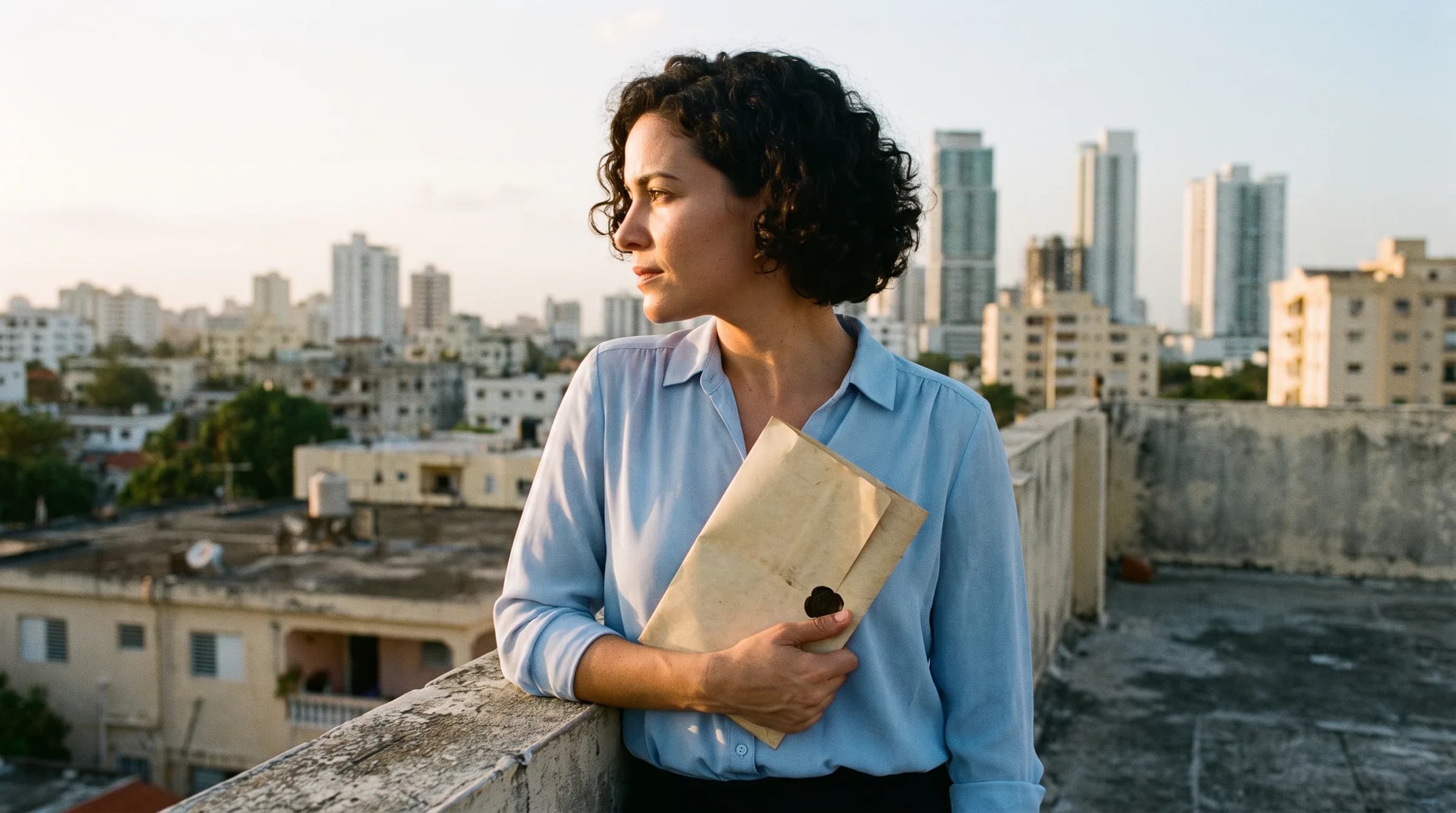
María got a call from a real estate agent about an apartment in Bella Vista that was "going for a steal." The reason for the attractive price: it was an inherited property that the deceased owner's children needed to sell quickly. The agent assured her that "the paperwork is almost ready" and that she could secure the apartment with RD$100,000. But something felt off when they showed her a title certificate that was still registered in the name of someone who had died two years ago.
This situation is more common than you might think in the Dominican real estate market. Thousands of buyers face the decision each year about whether to purchase an inherited property, without really knowing what to check to avoid future problems.
The Misconception About Inherited Properties in the Dominican Republic
There's a common belief that buying inherited properties is inherently risky or "problematic." The reality is different: the risk isn't that it's an inheritance, but rather the lack of proper information and verification. An inherited property with proper documentation can be just as safe as any other real estate transaction.
Toca Timbre
Verified properties, certified agents. You just decide.
The problem arises when buyers and agents assume that "we'll sort out the paperwork later" or that verbal promises are enough to proceed. In the Dominican Republic, real estate properties are governed by Law 108-05 on Real Estate Registration, which establishes specific processes for transfers through succession.
How Property Succession Actually Works
 When a property owner dies, the title doesn't automatically transfer to the heirs. The title certificate continues to appear in the deceased's name until the following steps are completed:
- Determination of heirs: judicial process that establishes who the legitimate heirs are
- Distribution of assets: formal division of the deceased's estate
- Title transfer: registration of the new owners in the Title Registry
While these steps aren't complete, the property remains in "hereditary indivision," belonging jointly to all heirs. Any sale requires the participation and consent of all of them.
Red Flags You Need to Recognize
The Problematic Title Certificate
If someone shows you a title certificate still registered in the deceased's name and the agent explains that "we'll fix that later," stop right there. In a transparent transaction, the succession should be declared, succession taxes paid, and titles should already be in the names of the current heirs.
Lack of Consensus Among Heirs
When only one heir is selling to you without written proof of the other heirs' consent, that's a red flag. For properties in indivision, the sale must be joint or backed by special powers of attorney and clear court decisions.
Incomplete or Evasive Documentation
A professional agent will never avoid providing copies of:
- Death certificate of the original owner
- Birth certificates of the heirs
- Court decision determining the heirs
- Proof of succession tax payment
- Current certification from the Title Registry
If there's evasion about these documents or contradictory stories about how many heirs exist, it's time to walk away.
A Real Case: When the Numbers Don't Add Up
Consider an apartment valued at RD$4,500,000 being offered for RD$3,200,000 "because it's inherited." The deceased owner's children need fast cash. The RD$1,300,000 discount seems attractive, but when you review the documentation you discover that:
- The heir determination is still in judicial process
- There's an outstanding mortgage of RD$800,000
- One of the heirs opposes the sale
- Succession taxes haven't been paid
In this scenario, that "discount" could turn into years of legal battles and expenses that exceed any initial savings.
The Safe Approach to Buying Inherited Properties
Verify the Agent First
Before you fall in love with the property, confirm you're working with a registered broker. A serious agent will provide you with all documentation from your first contact and work with formal real estate lawyers.
Review the Registry Status
Your lawyer should request an updated certification from the Title Registry that clearly shows:
- The name of the current title holder
- Recent transfers
- Any liens, mortgages, or embargoes
- The status of the succession process
Complete Transparency About the Inheritance
Demand copies of the heir determination decision, the distribution agreement if one exists, and proof of succession tax payments. When this documentation is complete and in order, buying an inherited property is practically as safe as any other transaction.
Real Opportunities in the Market
Many inherited properties sell at competitive prices because heirs prioritize liquidity over maximizing price. These can be excellent buying opportunities, as long as the documentation is in order and the succession process is formally closed.
The best time to find opportunity is when heirs have already completed all legal procedures but need to sell for personal or financial reasons. In these cases, you can find well-maintained properties at fair prices, without the risks associated with incomplete successions.
Reflection: The Importance of Verifying Before You Decide
Buying an inherited property shouldn't cause more anxiety than any other real estate purchase, as long as you turn your doubt into a concrete checklist of verifications. The problem is never the inheritance itself, but proceeding without complete information.
When you have clarity on which documents to review and what questions to ask, you can identify both real opportunities and problematic situations. This allows you to make informed decisions based on facts, not promises or time pressure.
To explore the Dominican real estate market with greater clarity and direct access to verified agents, you can use Toca Timbre. It's an app where buyers can view properties listed by different agents and contact them directly via WhatsApp to get detailed information about each property, including those from inherited estates. You can explore available options at Toca Timbre
Frequently Asked Questions
How long does it take to complete the succession process for a property?
The succession process can take anywhere from 6 months to 2 years, depending on the complexity of the estate, the number of heirs, and whether there are conflicts. A straightforward process where all heirs agree and documentation is complete can be resolved in 6 to 8 months. However, if there are objections, unknown heirs, or missing documents, the timeline can stretch considerably.
Can I buy a property while it's going through succession?
It's technically possible to sign a preliminary purchase agreement, but the final title transfer won't be registered until the succession is complete. This means you won't have registry security until that happens. It's best to wait for the succession process to be finalized or, at minimum, have solid guarantees that it will be completed without issues.
What happens if an unknown heir appears after I've bought the property?
If a legitimate heir who didn't participate in the heir determination or the sale appears, they can challenge the transaction claiming they never gave consent. This can result in lengthy court proceedings and, in the worst case, the sale being voided. That's why it's crucial to verify that the heir determination is complete and that everyone participated in the decision to sell.
Sources
- Law 108-05 on Real Estate Registration — https://docs.republica-dominicana.justia.com/nacionales/leyes/ley-108-05.pdf
- The Legal and Economic Impact of Inheriting Property — https://inmobiliario.do/el-impacto-juridico-y-economico-de-heredar-propiedad/
- How to Sell an Inherited Property in the DR Without Legal Problems — https://lil-vasquez.com/como-vender-una-propiedad-heredada-en-rd-sin-problemas-legales%F0%9F%8F%A1/
- Legal Risks When Buying Properties in the Dominican Republic — https://www.yolandalandinezrealtor.com/categ/riesgos-legales-al-comprar-propiedades-en-dominicana
- Real Estate Inheritance in the DR: Transferring Property — https://1122.com.do/es/blog/herencia-inmobiliaria-rd-transferir-propiedad
- Heir Determination and Transfer in the Dominican Republic — https://www.studocu.com/latam/document/universidad-tecnologica-de-santiago/derecho-inmobiliario/determinacion-de-herederos-y-transferencia-en-la-republica-dominicana/107045612