The 40-30-30 Test: Can You Really Afford That Home in the DR?
10 de junio de 2026 · 4 min min read
Discover if the 40-30-30 rule applies to buying a home in Dominican Republic. Clear guide on real estate budgeting without banking jargon.
The 40-30-30 Test: Can You Really Afford That Home in the DR?
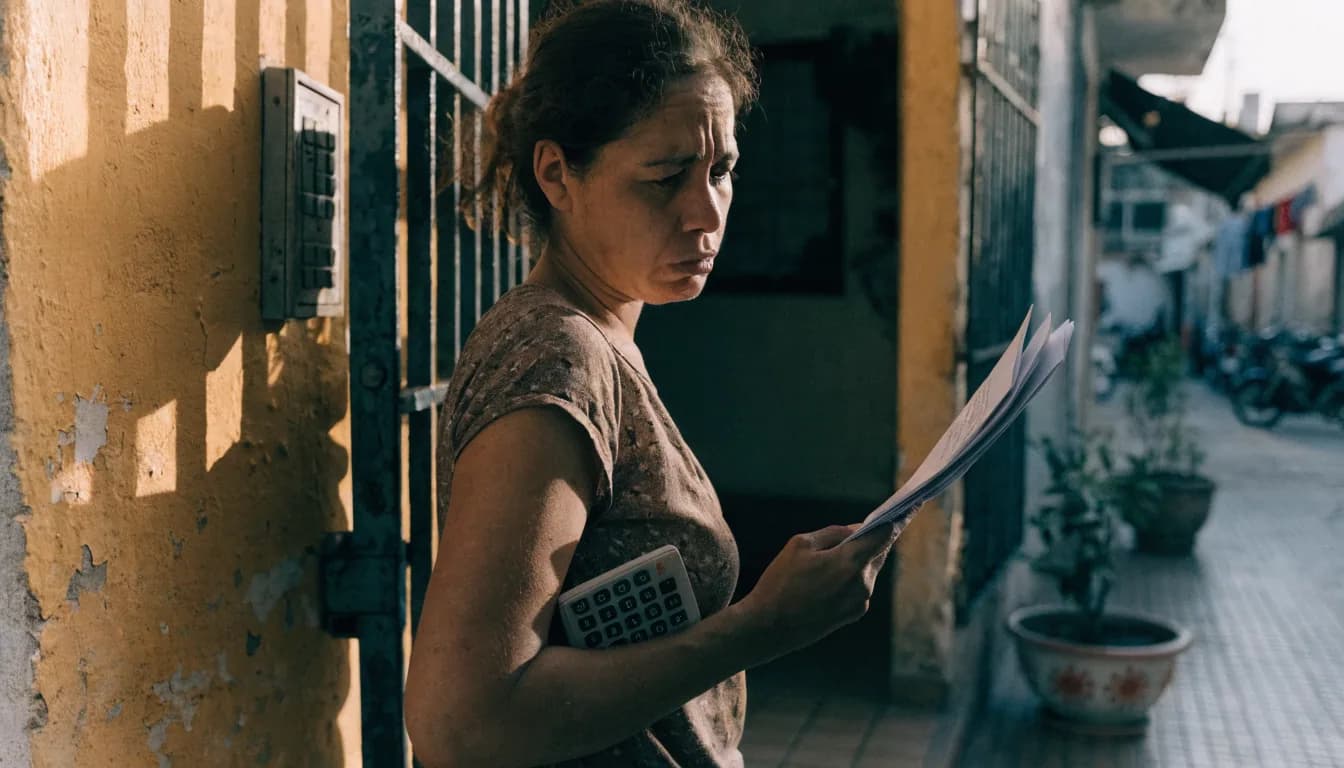
María earns RD$80,000 monthly and found an apartment she loves in Santiago. The monthly payment would be RD$35,000. "It's less than half my salary", she thought, "I should be able to afford it". Six months later, she's struggling to make it to the end of the month.
This story repeats constantly in the Dominican real estate market. Many buyers believe that if they can pay the mortgage, they can buy the home. But the reality is more complex.
The Confusion Between "Payment" and "Real Capacity"

Toca Timbre
Propiedades reales. Agentes verificados. Tú decides sin miedo.
The most dangerous belief in buying a home in Dominican Republic is thinking your payment capacity is limited only to the monthly loan payment. This mindset has led thousands of Dominican families to commit financially beyond their means.
The problem isn't with buyers. The problem is how the system presents financial information, focusing only on the monthly payment without explaining the real impact on family budget.
What Is the 40-30-30 Rule Really?
The 40-30-30 rule is an income distribution method that divides your monthly salary into three categories:
- 40%: Fixed expenses and basic needs (including housing)
- 30%: Variable expenses and entertainment
- 30%: Personal improvement and savings
But here arises the first confusion: some versions interpret 40% as total basic expenses, while others limit it only to housing. This ambiguity creates dangerous misunderstandings when applied to the home buying process.
The Real Case: Numbers Don't Lie
Back to María. With her RD$80,000 monthly:
Applying the 40-30-30 rule:
- 40% for basic expenses: RD$32,000
- 30% for variable expenses: RD$24,000
- 30% for savings/improvement: RD$24,000
If we interpret that all 40% can go to housing, María could pay up to RD$32,000 monthly, not the RD$35,000 she was considering.
But if the 40% must cover all basic expenses (food, utilities, transportation, health), then housing should represent only a portion of those RD$32,000, perhaps RD$20,000-25,000.
The Variations That Complicate Things
The Dominican financial market handles different interpretations:
50/30/20 Rule (More Conservative)
- 50% basic needs (including housing)
- 30% wants and entertainment
- 20% savings and investments
40/30/20/10 Rule (More Structured)
- 40% fixed expenses
- 30% variable expenses
- 20% savings
- 10% emergencies
Each interpretation produces different results for the same person. This explains why María and thousands like her face financial problems after buying.
The Dominican Context: Unique Factors
Applying these rules in Dominican Republic has particular considerations:
Additional expenses not considered:
- Building maintenance in residential complexes
- Variable fuel costs
- Medical expenses without full insurance
- Inflation in basic food items
Variable income:
- Non-guaranteed bonuses
- Supplementary informal work
- Fluctuations in small family businesses
These factors mean standard financial rules require adjustments for the local context.
The Real Test: Beyond Percentages
Before applying any rule, a Dominican buyer should:
- Track actual basic expenses over 3 consecutive months
- Identify seasonal expenses (school supplies, Christmas gifts, vacations)
- Consider emergency fund (minimum 3 months of expenses)
- Evaluate job stability current and projected
- Include property maintenance costs of the new home
When the 40-30-30 Rule Works (and When It Doesn't)
It works when:
- You have stable and documented income
- Your basic expenses are controlled
- Financial discipline is established
- The real estate market is stable
It doesn't work when:
- Income fluctuates significantly
- There are previous debts not considered
- The family is growing
- Current lifestyle expenses are ignored
The Decision Moment
Anxiety appears when buyers realize that "being able to pay" according to a rule doesn't mean "living comfortably" after buying. The difference between these two concepts determines if the purchase will be an improvement or a financial burden.
This reality underscores the importance of first contact with a real estate agent. A prepared agent should help evaluate real capacity, not just theoretical capacity according to formulas.
Necessary Reflection
Financial rules are guidance tools, not absolute truths. In the Dominican real estate market, where each family has unique circumstances, the key is understanding your particular situation before applying any formula.
The 40-30-30 rule can be a useful starting point, but it should never be the only criterion for a decision as important as buying a home.
If you're considering buying a property, exploring the market with clear information from the start can make a difference in your experience. Toca Timbre is an app where you can see properties published by agents and contact them directly via WhatsApp to ask the right questions from your first interaction. Toca Timbre.
Frequently Asked Questions
Does the 40-30-30 rule include all housing expenses?
The interpretation varies, but the safest is to consider that 40% must cover all basic expenses: housing, food, utilities and essential transportation. The housing payment should be only part of that 40%, not the entire percentage.
What if my income varies each month?
If your income fluctuates, use the average of the last 6-12 months as your base, but apply the rule to your lowest income of that period for greater financial safety.
Should I include the down payment in the 40-30-30 rule?
No. The down payment should come from previous savings or from the 30% allocated for savings/improvement during the months or years before purchase. The 40-30-30 rule applies to recurring monthly expenses, not one-time payments.