Approved vs. In Progress: The Differences That Matter in the DR
1 de agosto de 2026 · 4 min min read
Understanding whether a project is approved or in progress can change your move-in date by years. We explain the real differences in the Dominican Republic.
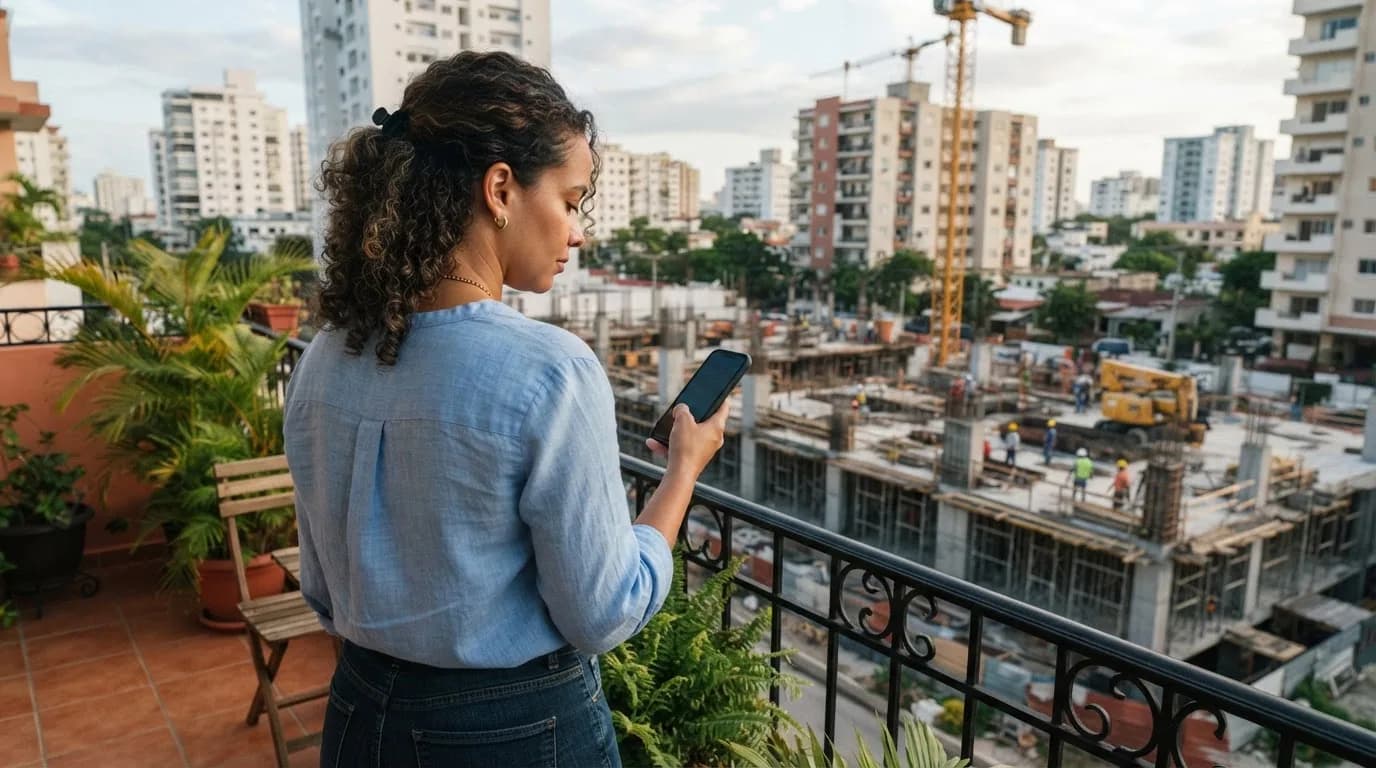
Approved or In Progress? The Factor That Most Affects Your First Home Purchase
Carla has found the perfect apartment. Two bedrooms, spacious balcony, price within her budget. The seller tells her the project "is in progress" and promises delivery in 18 months. That sounds reasonable. But there's a crucial difference between a project that's "approved" and one that's "in progress" that can completely change your move-in timeline.
In the Dominican real estate market, these terms aren't just administrative jargon. They define whether you're buying a probable delivery date or a promise vulnerable to delays that could stretch years.
The Most Costly Confusion in Real Estate
Many buyers assume that if a project is being sold, it already has all the necessary permits to build. This belief is understandable but incorrect. Developers can market units while they process authorizations, meaning the sales timeline doesn't always match the actual construction timeline.
Toca Timbre
Propiedades reales. Agentes verificados. Tú decides sin miedo.
An "approved" project means the developer already obtained the main authorizations: municipal land-use approval, reviewed architectural plans, environmental clearance, and construction license. They can start work with legal certainty.
An "in progress" project still depends on pending permits. Each missing authorization represents additional time that can push your delivery date months or years back.
How Construction Permits in the Dominican Republic Work
 Legal construction in the Dominican Republic requires a chain of linked approvals. First, municipal land-use verification confirms the land can be used for housing. Then come the architectural plans, which must comply with specific building codes. After that, environmental review checks the project's environmental impact. Finally, the construction license from MIVHED authorizes the start of work.
In tourism projects or regulated zones, additional permits like FOTUR are added. Each step depends on the previous one being complete and approved.
According to Decree 806-21, these processes should be completed between 60 and 120 working days. In practice, developer associations report the process takes between 8 and 10 months on average. Complex cases can extend to 18 or 24 months.
The Real Impact on Your Move-In Timeline
Let's go back to Carla. The project promising her:
- 6 months to complete permits
- 12 months of construction
- Delivery in 18 months total
But if permits actually take 14 months (average time reported by industry groups), the timeline adjusts like this:
- 14 months for permits
- 12 months of construction
- Real delivery in 26 months
Carla would go from waiting a year and a half to waiting over two years. Eight additional months paying rent, eight more months without access to permanent financing, eight months of uncertainty about her moving plans.
In documented cases where environmental and tourism permits have taken up to 24 months, the delay can be even greater.
Three Questions That Change Everything
Before reserving any off-plan unit, these questions protect your timeline:
What permits are already approved? Ask for specific documentation. Land-use, environmental license, construction license. Don't settle for "they're being processed."
What's the real timeline if permits are delayed? An honest developer has contingency plans and can explain how administrative delays would affect the schedule.
What protections does the contract offer if delivery is delayed due to permits? Some contracts include clauses protecting buyers, others shift all delay risk to you.
The Financial Cost of Not Asking
Delays due to permits don't just affect time. They also impact money. Each additional month of waiting could mean:
- Extended rent you hadn't budgeted for
- Moving costs rescheduled
- Mortgage financing you can't activate until the project progresses
- Lost opportunity to generate rental income if this was an investment
For the developer, prolonged delays increase administrative costs and interest on construction loans. Some pass these added costs to buyers through price adjustments or specification changes.
Why Where You Start Your Search Matters
Starting your search with clear information about permits lets you compare projects on equal terms. An apartment "in progress" at RD$4.5 million isn't comparable to one "approved" at the same price if the real timelines differ by years.
Transparency from your first agent contact determines whether you make decisions based on commercial promises or actual administrative realities of the Dominican market.
If you're starting your home search and want to connect with agents who provide clear information about their projects' permit status, you can explore options in Toca Timbre, an app where buyers can review properties posted by verified agents and contact them directly via WhatsApp: Toca Timbre
Frequently Asked Questions
Can I buy an apartment in a project that doesn't have all its permits yet?
Yes, it's legal and common in the Dominican Republic. However, you need to understand you're taking on the risk of administrative delays. It's recommended to review what specific permits are still needed, what the realistic timeline is to get them, and what protections the contract includes if there are delays. An "in progress" project isn't necessarily bad, but it requires adjusted expectations about delivery time.
How long do construction permits really take in the DR?
According to official regulations (Decree 806-21), permits should be approved between 60 and 120 working days. In practice, industry groups like Copymecon report the average process takes between 8 and 10 months, with cases that can extend to 18 or 24 months, especially when environmental or tourism permits are involved. The difference between the legal timeframe and actual time is one of the main risks for off-plan home buyers.
What documents should I review to check permit status?
Request copies of: approved municipal land-use, environmental license (if applicable), approved architectural plans, and construction license from MIVHED. If it's a tourism project, also FOTUR permits. An organized developer can show the current status of each permit. If they just say "everything is being processed" without specific documentation, that project will likely face more delays than commercially announced.
Sources
- Guide to construction permits in the Dominican Republic — Daniel Rodriguez Realtor
- What municipal permits are needed to build a real estate project in the DR — El Inmobiliario
- Construction permits in the Dominican Republic — Eliun Real Estate
- Construction permits in the Dominican Republic: what you should know before building — Mora Pagan
- Construction license and related permits — MIVHED
- Single window under pressure: deadlines, wait times, and the pain of developers — Canal País
- Persistent delays in construction permits throughout 2024 in the Dominican Republic — Cana Blue
- Permits: the battle that halted projects and sparked debate in 2025 — El Inmobiliario