Recognized Developer in the Dominican Republic: What It Really Means for First-Time Buyers
12 de agosto de 2026 · 5 min min read
Discover what truly differentiates a trustworthy developer from one that's only famous on social media. Learn to identify verifiable signals before reserving.
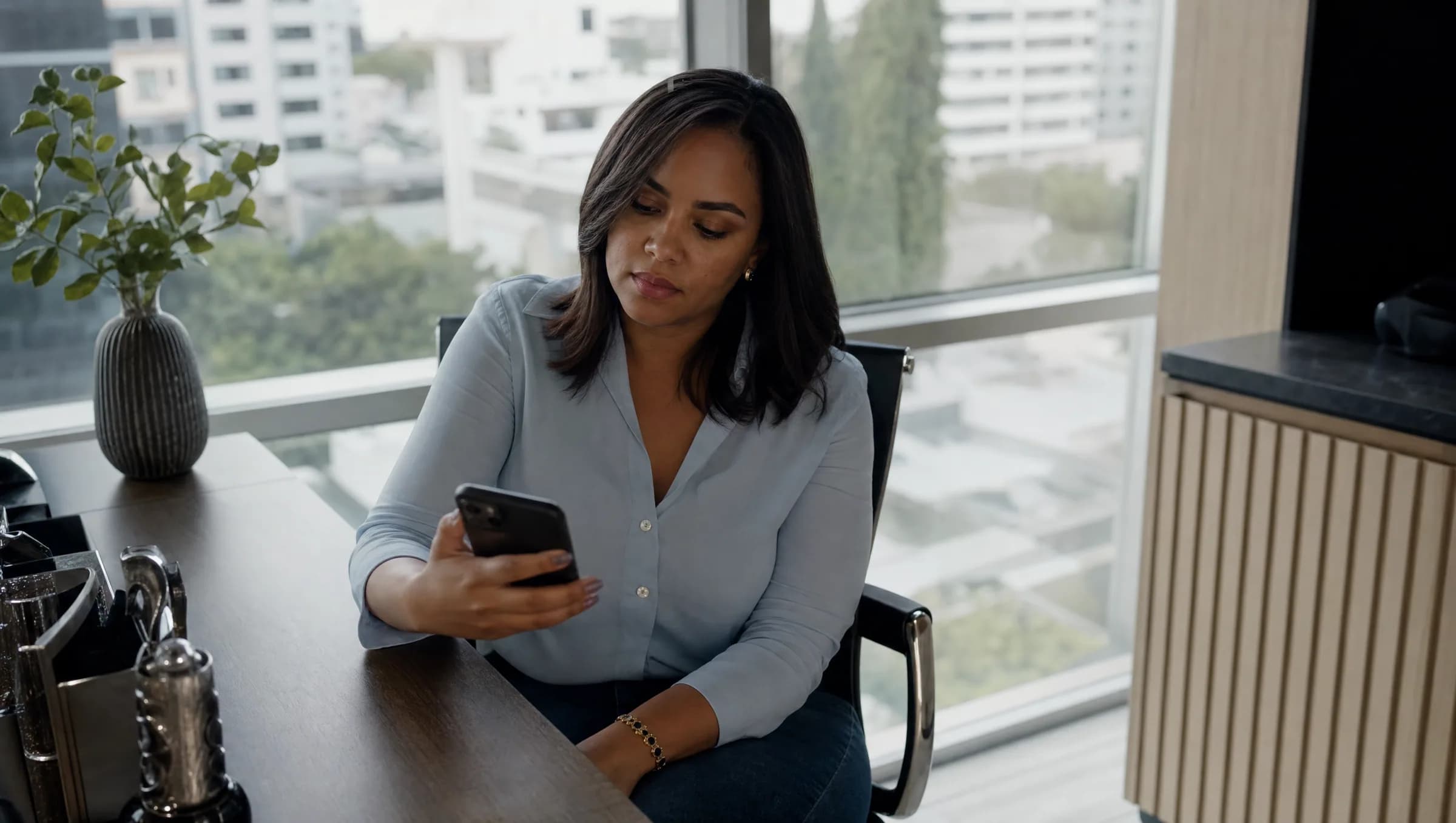
Recognized Developer in the Dominican Republic: What It Really Means for First-Time Buyers
Carla has been following a developer on Instagram for three weeks. Their posts show modern apartments, exclusive events, and testimonials from satisfied customers. They have over 50,000 followers and collaborate with known influencers. Everything looks professional and successful. When she finally decides to contact them to reserve an RD$4.5 million apartment, she asks for references of previous projects. The answer leaves her thinking: "This is our first large project, but we have lots of experience in real estate marketing."
That situation illustrates a common confusion in today's Dominican market. Many buyers assume recognized developer in the Dominican Republic means "famous on social media" or "heavily advertised." In reality, genuine recognition in the real estate sector has little to do with digital popularity and everything to do with legal structure, verifiable experience, and regulatory compliance.
The Difference Between Digital Fame and Professional Recognition
In the Dominican Republic a specific legal framework for real estate developers is consolidating, establishing clear and verifiable requirements. A truly recognized developer must have a Special Commercialization and Intermediation License, be legally incorporated under Dominican regulations, maintain current tax obligations and anti-money-laundering requirements, and demonstrate real infrastructure: physical offices, competent staff, adequate accounting systems, and a development plan spanning at least three years.
Toca Timbre
Propiedades reales. Agentes verificados. Tú decides sin miedo.
This contrasts sharply with "digital fame," built with marketing campaigns, aspirational content, and influencer collaborations. A developer can have thousands of followers without a special license, can show impressive renderings of projects without having all construction permits, and can generate expectations about deliveries without having completed previous projects.
The Real Cost of Confusing Popularity with Experience
 Consider the typical case: María finds a "recognized developer" promoting an apartment project from RD$3.2 million in a developing area. The marketing is flawless, the guided tours are convincing, and the developer has constant social media presence. María reserves with RD$300,000 (almost 10% of total value). Six months later she discovers the project doesn't have all municipal permits ready, the developer never completed a development that scale before, and there's no realistic delivery schedule.
This scenario isn't uncommon. Confusing popularity with actual capacity can result in months or years of delays, unforeseen cost overruns, and in extreme cases, total loss of the reservation. The problem isn't that new developers can't do good projects, but that buyers make decisions based on digital appearances without verifying the structure behind them.
How to Identify a Truly Recognized Developer
A developer with genuine recognition in the Dominican market can demonstrate verifiable elements going beyond social media presence:
Proven track record: Previous projects completed and delivered, with references from real buyers you can contact. Not just renderings or "projects in development," but apartments, houses, or storefronts already occupied and functioning.
Complete documentation: Special license as a developer, current construction permits, approved plans by municipal authorities, impact studies if applicable, and clear contracts with construction companies, architects, and main suppliers.
Visible operating structure: Physical offices where you can visit the team, staff with defined roles (not just "the developer and an assistant"), formal communication systems for tracking with buyers, and documented processes for handling changes, complaints, or unexpected situations.
Financial transparency: Clarity about project financing model, clear separation between developer funds and buyer resources, and openness to explaining how payments are handled during different construction stages.
The Right Questions at First Contact
Before reserving with any developer, regardless of their "recognition" level on social media, buyers can ask four basic questions revealing much about the developer's real solidity:
"How many projects have you completed and delivered in the last three years?" This question quickly separates those with experience executing full developments from those starting out or handling only small projects.
"Can you show me the project's legal documentation right now?" A solid developer has permits, licenses, and technical studies ready to show. If everything is "in process" or "coming soon," that's a warning sign.
"How do you handle reservation money and payments during construction?" The answer should include separate accounts, disbursement schedules tied to construction progress, and clear protocols for unexpected situations.
"Who will be my direct contact and how often will I receive project updates?" This reveals whether they have organized communication systems with buyers or if everything depends on one person's availability.
The True Value of Real Estate Recognition
Ultimately, a truly recognized developer in the Dominican Republic doesn't need to prove credibility only through social media. Their recognition comes from satisfied buyers, delivered projects, process transparency, and ability to handle the normal complexities of any real estate development.
For buyers like Carla, this means social media can be a good starting point to discover options, but the final decision must be based on what you can verify in documents, records, and proven previous experiences. Digital recognition can disappear overnight; professional recognition is built project by project, year after year.
If you're starting to explore the Dominican real estate market, you can use Toca Timbre to contact verified agents working with different developers and promoters. The app lets you see properties published by sector professionals and contact them directly via WhatsApp to ask the right questions from the start: Toca Timbre
Frequently Asked Questions
How can I verify if a developer has a special license in the Dominican Republic?
You can ask the developer directly for their Special Commercialization and Intermediation License number and verify its validity with the appropriate authorities. A legitimate developer won't have a problem providing this information immediately.
Is it normal for a recognized developer to not have completed previous projects?
All developers have a first project, but if they promote themselves as "recognized" without verifiable history, it's important to be more cautious. Ask for specific experience of the team in similar roles, partners or investors backing the project, and request additional guarantees about timelines and deliveries.
What do I do if a famous social media developer can't show complete documentation?
Digital fame doesn't substitute for legal requirements. If a developer can't show current permits, licenses, or technical documentation, it's recommended to delay any reservation until all documentation is complete and verifiable.
Sources
- Spanish Language Dictionary - Developer
- Characteristics of a good developer - Grupo Prom
- Health service promoters - SISALRIL
- Developers must have special license - Inmobiliario.do
- What a promoter is - Reddit ELI5
- What is a developer - Indeed
- Glossary: Developer - Urbanitae
- The developer, the contractor and preventive obligations - Propipol
- What a real estate agent should ask - Engel & Völkers
- Top 6 questions for real estate agent - Diamond Residential
- 10 key questions for real estate investors - Regional Vista
- 10 questions to ask a real estate agent - Hispaleman
- 10 questions every agent must ask - Inmobiliario.do
- Video about real estate developers - YouTube
- Key questions to choose an agent - Amparo Lillo