Key questions about land surveying before buying in the DR (2025 guide)
19 de julio de 2026 · 6 min min read
The 5 key questions about land surveying you must ask your real estate agent before buying in the Dominican Republic. Avoid legal surprises.
Key questions about land surveying before buying in the DR (2025 guide)
"The land surveying can be done afterward" is a phrase many home buyers hear at the start of their search in the Dominican Republic. This seemingly reassuring belief can become the source of months of delays, unplanned expenses, and emotional stress that nobody anticipates when making a purchase.
Land surveying isn't a simple bureaucratic technicality. It's the legal procedure that individualizes your land within a larger parcel, sets its exact boundaries, and lets you obtain a clean title certificate. Without this process completed, your purchase can remain in a legal limbo that complicates everything from property registration to the possibility of selling in the future.
Why land surveying defines your purchase success
In today's Dominican real estate market, most transactions require that the property be properly surveyed before closing. This means that land can have ownership documents—like recorded certifications or old certificates—but not technically be ready for a modern legal transfer.
Toca Timbre
Propiedades reales. Agentes verificados. Tú decides sin miedo.
The difference between "having papers" and "being surveyed" determines whether your purchase process takes a few weeks or stretches for months. It also defines who bears the additional costs and what level of legal certainty you'll have about your property's exact boundaries.
The real-world experience: when surprises arrive late

Consider Miguel, a 35-year-old Dominican working in Santiago who decided to buy a plot of land for RD$1,800,000 to build his family home. The agent showed him land "with good papers" and assured him the surveying was "just a matter for surveyors, resolved quickly."
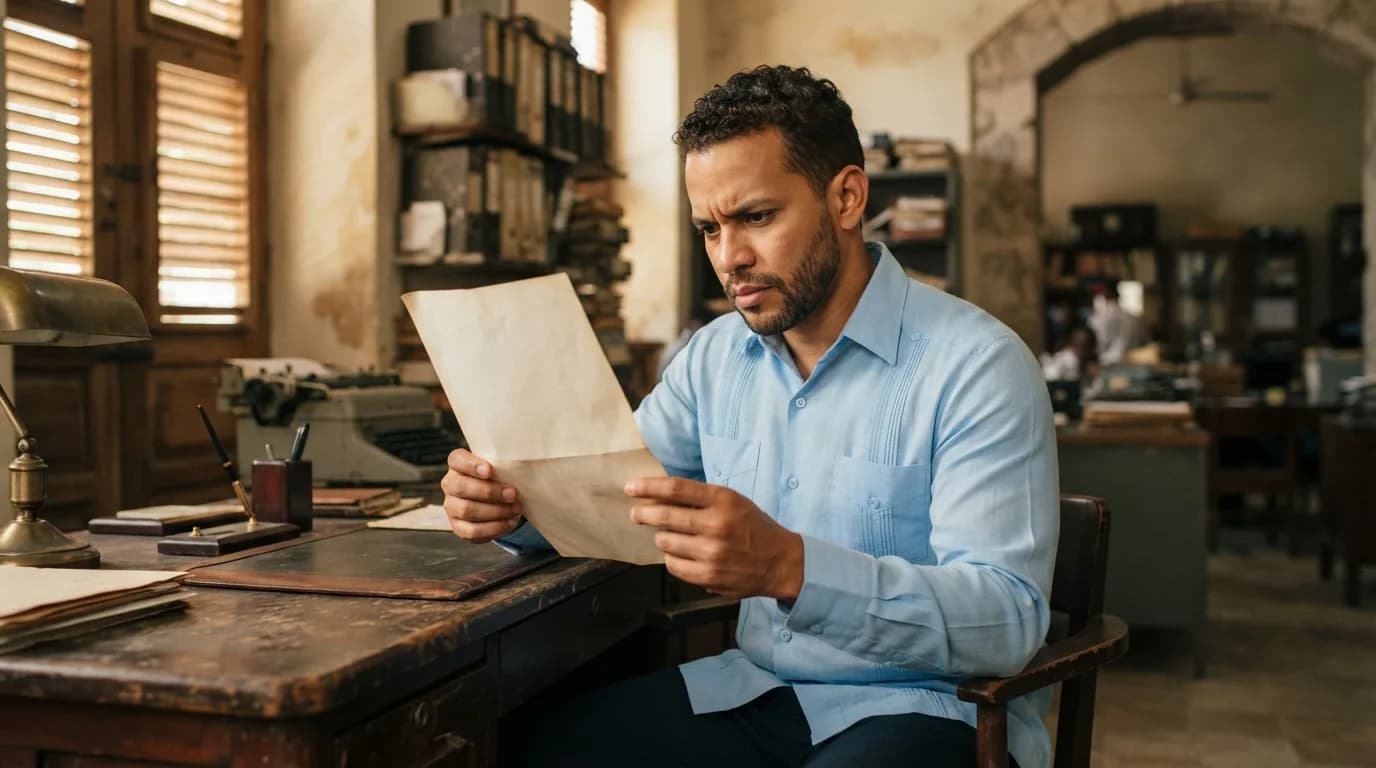
Miguel paid RD$900,000 as down payment and signed a private contract with closing in 45 days. Only when trying to formally register the purchase at the Title Registry did he discover the property had no approved surveying. The complete process—including cadastral survey, neighbor notification, and Land Court approval—would take 4 to 8 additional months.
What frustrated Miguel most wasn't the extra time, but realizing five specific questions to the agent would have prevented that surprise and let him negotiate better terms from the start.
The 5 essential questions about surveying for your agent
1. "Does the property already have approved surveying and an individual title certificate?"
This is your fundamental question. A property can have ownership documents but not be surveyed. Surveying is what transforms that situation into an individual title with clear boundaries registered at the Real Estate Registry.
Ask to see the current title certificate and, if possible, the individual cadastral survey plan. These documents confirm the process was completed at the Cadastral Registry, Land Court, and Title Registry.
2. "If it isn't surveyed, who will pay for surveying and related costs?"
Surveying generates several costs: surveyor fees for measurement and plans, lawyer fees, Land Court jurisdiction fees, and taxes from the Internal Revenue Service.
Asking explicitly if the seller commits to doing and paying for surveying before closing, or if the buyer must assume it, avoids surprises in your budget. A serious agent should be able to explain the fees involved: cadastral survey service fees, newspaper publication, notifications.
3. "How long will completing the surveying take and how does it affect our closing date?"
Surveying involves several stages: application to the Cadastral Registry, surveyor's field work, neighbor notification, possible hearing before the Land Court, and final registration at the Title Registry.
Depending on complexity, neighbor objections, and the courts' workload, timelines can vary from several months to longer periods. Asking how this coordinates with your payment schedule protects you from delays that leave your money committed without a definitive title.
4. "Are the surveyor and lawyer carrying out the surveying certified and who selects them?"
Surveying success depends on qualified professionals. Regulations require that survey work be performed by an authorized surveyor and that specific technical requirements are met: plans, XML files, survey data, marker records, and measurement documentation.
Asking who will be the surveyor, if registered, and what lawyer will handle the case gives you an idea of the project's seriousness level. Also clarify whether you can suggest your own professionals or if everything stays with the seller.
5. "What risks exist if I buy without surveying or with incomplete surveying?"
This question forces the agent to discuss aspects like land overlap problems, disputes with neighbors, inability to get mortgage financing, or delays in getting an individual title certificate in your name.
You can also ask what would happen if objections arise during the process or if the Land Court doesn't approve the proposed survey. This helps you decide whether it's worth waiting for the seller to complete surveying before committing full payment.
How these questions reveal your agent's quality
Asking these questions in a calm but firm tone doesn't just clarify technical points—it also reveals the agent's transparency and preparation level. When the professional responds with supporting documents, not just words, you gain a much stronger foundation for deciding whether to proceed.
An agent who avoids these questions, minimizes them, or promises "to solve everything later" is sending an alert signal. By contrast, a verified and prepared agent should explain each point and show relevant documentation.
The peace of mind from starting with clarity
Surveying isn't an obstacle—it's the foundation for your investment to be safe in the Dominican real estate market. Land without surveying can hide overlaps, third-party rights, or location errors that appear exactly when it matters most: when you try to sell, build, or seek financing.
Demanding clarity about surveying from first contact with real estate agents gives you negotiating power against the seller and keeps you from getting trapped in legal limbo that consumes time, money, and peace of mind.
If you're starting your search for property in the Dominican Republic, these five questions can be the difference between a smooth purchase and months of unexpected complications. Where you start searching—and the questions you ask from the beginning—determines everything that follows.
If you want to explore the Dominican real estate market with greater clarity, Toca Timbre is an app where you can see properties posted by agents and contact directly via WhatsApp to ask these questions from your first conversation. You can explore available options at Toca Timbre and start your search with correct information from the beginning.
Frequently asked questions
Is land surveying required for all property purchases in the Dominican Republic?
Land surveying is required for most modern real estate transactions in the Dominican Republic. Following real estate system reforms, the general rule is that property rights transfers only register if the property is surveyed and has a clean title certificate. While exceptions may exist in specific cases, standard practice requires this process to be completed.
How much does land surveying cost approximately in the Dominican Republic?
Surveying cost varies based on property size and complexity, but includes several items: surveyor fees, lawyer fees, Cadastral Registry fees, newspaper publications, and taxes. Costs can range from tens of thousands to hundreds of thousands of pesos. It's important to request a detailed budget before starting the process and clarify who will pay these expenses.
What happens if neighbors object during the surveying process?
If neighbors object to proposed boundaries during surveying, the case may require additional hearings before the Land Court and review of old titles. This can significantly extend the process timeline—from several months to over a year in complex cases. That's why it's crucial to ask about known conflicts before committing to payment and establishing realistic closing dates.
Sources
- Land surveying - Real Estate Registry
- Land surveying in Dominican legislation - Saber y Justicia
- Video: Land Surveying Process in DR
- Land surveying in the Dominican Republic - Scribd
- Stages of Land Surveying in the Dominican Republic - Scribd
- Land surveying in the Dominican Republic - Abogado Siglo 21
- Land surveying - Legal Concepts
- Video: Importance of Land Surveying
- Land Surveying Procedure - DR Lawyer