Prices in Dollars: What It Means for Dominican Buyers
23 de agosto de 2026 · 6 min min read
Discover why many properties in DR are advertised in dollars and how this affects your buying decision. Practical guide for buying with clarity.
Prices in Dollars: What It Means for Dominican Buyers
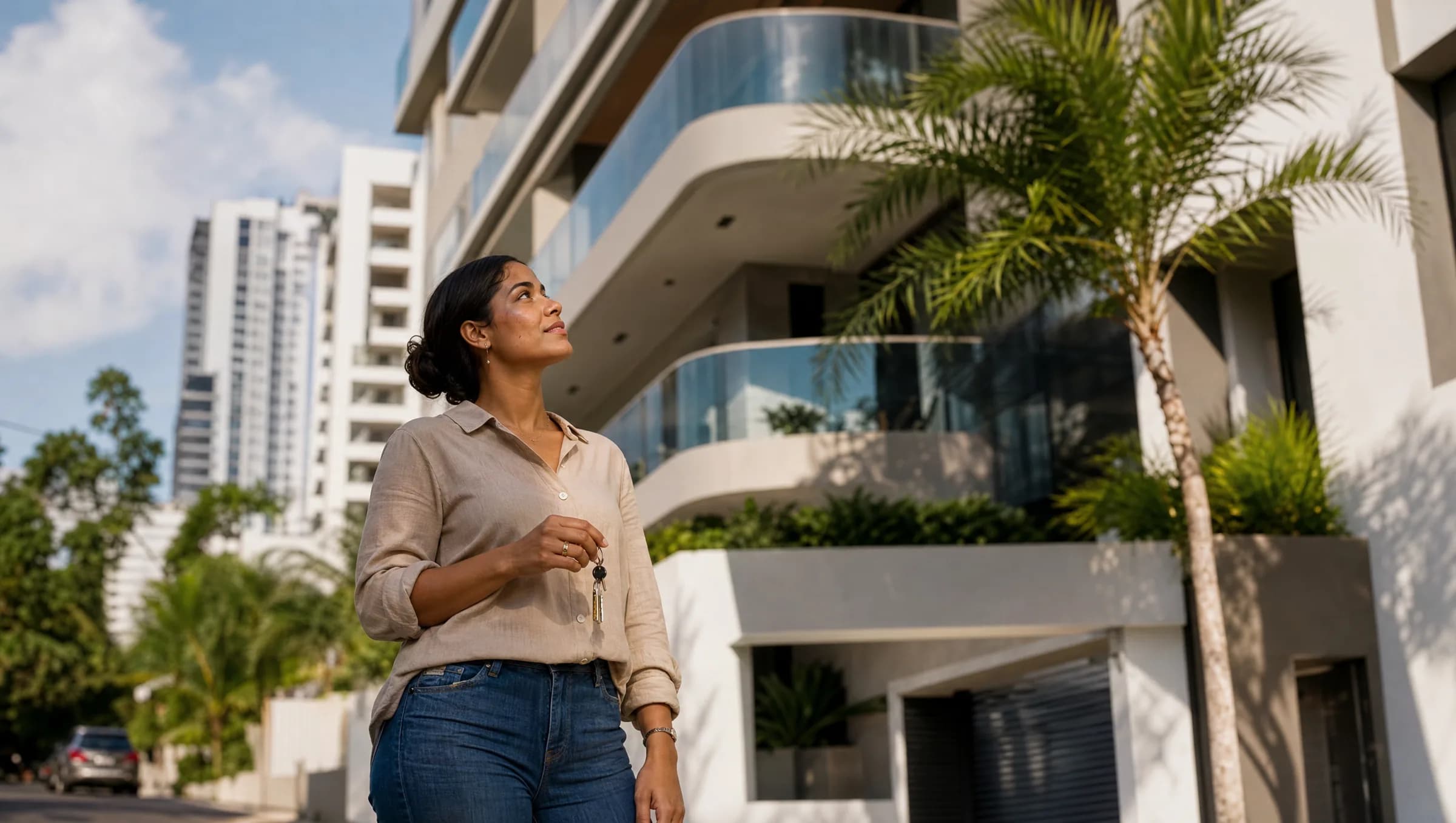
Carla lives in Santo Domingo and is searching for her first apartment. When she opens real estate portals, she finds something confusing: some apartments are listed in Dominican pesos (RD$2,850,000) while others are in US dollars (US$180,000). At first she thought prices in dollars Dominican Republic appeared only in luxury properties, but after weeks reviewing listings, she realized entry-level apartments also appear in USD. Why does this happen and what does it mean for her buying decision?
The reality is that the Dominican real estate market coexists with two currencies, and that duality isn't casual. It reflects how the country's economy works, what type of buyer each developer targets, and what real risks local buyers face when they don't have clear information before contacting agents.
Why Some Sellers List Prices in Dollars
The decision to fix prices in USD isn't just aesthetic. It reveals the property owner's profile and what type of buyer they want to attract. In areas like Piantini, Serrallés, Cap Cana, and tourist projects, prices are typically listed in dollars because the target audience is foreign investors and Dominicans with dollar-denominated income.
Toca Timbre
Real listings. Verified agents. You decide, fear-free.
But Dominican reality is dual: both USD and peso listings coexist. Developers oriented toward the local buyer often work in RD$ though they later convert to dollars for comparative analysis. This coexistence reflects that the market isn't completely dollarized, but is partially segmented by currency.
A seller decides to list in dollars for several reasons: protection against peso devaluation, international marketing to tourists and foreign investors, and implicit buyer segmentation. Listing in USD indirectly filters out local Spanish-speaking buyers with income only in pesos, concentrating inquiries on clients with access to foreign currency or international financing.
The Emotional Impact on the Dominican Buyer
 When Carla sees an apartment listed at US$165,000 in Santo Domingo Este, her first reaction is multiplying by the exchange rate: "That's more than 10 million pesos." The number overwhelms her, even though the same apartment might be listed in pesos as RD$9,500,000. This difference in perception isn't just psychological; it reflects exchange rate volatility and how it affects real purchasing power.
The lack of structured information can create a false sense of inaccessibility. If you only see prices in USD in premium areas, it might seem the market is completely out of reach. However, data shows more accessible entry points, with median prices starting around US$85,000 in sectors like Santo Domingo Este, compared to over US$400,000 median in the National District.
What Dollar-Priced Listings Don't Tell You
Hidden Exchange Rate Volatility
A fixed USD price doesn't mean a fixed peso cost. Exchange rate volatility directly affects the local buyer's ability to close an operation listed in dollars. A buyer earning in RD$ and financing in pesos must understand how the dollar amount translates into monthly installments, required down payment, and exposure to exchange rate changes.
Without this understanding, a dollar increase can make the real cost of purchase more expensive, even if the USD price of the property doesn't change. Over the last five years, the exchange rate has moved from around 53 DOP per USD to over 63 DOP per USD, a gradual but cumulative increase that impacts local purchasing power.
Unclear Payment Policies
Many new projects fix their price lists in USD but allow payments in DOP. If the buyer doesn't demand clarifying the exchange rate update policy, they expose themselves to surprises in disbursements. Some developers update the rate daily, others fix it by periods or at contract signing.
These adjustments can require rectifications, third-party objections, or even court decisions that extend the process for years.
Negotiation in Two Currencies
On properties listed in USD, the discount margin is often discussed in dollars, but the buyer thinks in pesos. A US$10,000 reduction might seem significant, but it represents different savings levels depending on local income and the current exchange rate.
How to Correctly Interpret Dollar Prices
Use Market References
Public indices from specialized portals offer price ranges by square meter by zone, broken down by property type and listing currency. Consulting these sources before viewing specific listings helps calibrate whether a USD price aligns with the market or if it's an opportunistic figure.
Request Clarity on Exchange Policies
Before negotiating, ask how exchange rate changes are handled in the contract, what the developer's policy is regarding DOP payments, and whether there are different conditions based on payment currency.
Calculate Your Budget in Both Currencies
Structure your budget in pesos converted to dollars, considering the down payment and available financing. Don't make decisions based only on the listing price; include legal fees, maintenance, and possible exchange rate changes.
The Importance of Being Informed from First Contact
The dollar price is a signal, not an insurmountable wall. Understanding that signal's context—market segment, zone, project type, exchange policy—requires structured information before contacting agents. A professional with a track record in the Dominican market can explain why a specific project is priced in USD and help you negotiate as an informed local buyer.
The key is reducing the anxiety that uncertainty creates. When you understand why dollar prices exist, how to calculate their real impact on your budget, and what questions to ask, you can make calmer decisions and protect yourself from misinformation that often surrounds real estate listings.
For buyers like Carla, peace of mind comes from having clarity before the decision, not after. The Dominican real estate market can be complex, but with correct information and proper professional support, it's possible to navigate this currency duality without unpleasant surprises.
If you're in the same situation as Carla, you can explore the market with more clarity using tools like Toca Timbre, an app where buyers can see properties published by agents and contact directly via WhatsApp to clarify doubts about prices, currencies, and conditions before making any decision. Visit Toca Timbre to start your search with organized information.
Frequently Asked Questions
Why are some apartments sold in dollars in Dominican Republic?
Apartments are sold in dollars primarily to protect the investment against Dominican peso devaluation and to attract foreign investors. It also facilitates comparison with other Caribbean markets and implicitly segments the buyer type, concentrating inquiries on people with access to foreign currency or dollar-denominated income.
Can I pay in pesos for an apartment listed in dollars?
Many developers allow peso payments for dollar-listed apartments, but it's crucial to clarify the exchange rate policy before signing. Some update the rate daily, others fix it at contract signing or for specific periods. This difference can significantly impact the final cost.
How does the dollar increase affect apartment prices?
When the dollar rises, apartments listed in USD become more expensive in pesos for local buyers, even though the USD price doesn't change. Additionally, since many construction materials are imported, dollar increases also pressure construction costs, indirectly affecting prices in both USD and pesos.
Sources
- Dollar increase and housing rentals — https://invierterd.com/aumento-del-dolar-y-alquiler-de-viviendas/
- Listín Diario — https://listindiario.com/economia/bolsillo/20250221/e_846493.html
- Apartment sale in dollars — https://sanmarrealestate.com/venta-de-apartamento-en-dolares/
- The impact of the dollar rate on the real estate market — https://inmobiliario.do/el-impacto-de-la-tasa-del-dolar-en-el-mercado-inmobiliario-dominicano/
- Dominican Republic price index — https://portalinmobiliariord.com/en/indice-precios-republica-dominicana/