Why You Need to Verify the Title Before Making an Offer on a Property in the Dominican Republic
9 de junio de 2026 · 5 min min read
80% of first-time buyers in the Dominican Republic make this costly mistake. Learn to verify titles and avoid legal problems.
Why You Need to Verify the Title Before Making an Offer on a Property in the Dominican Republic
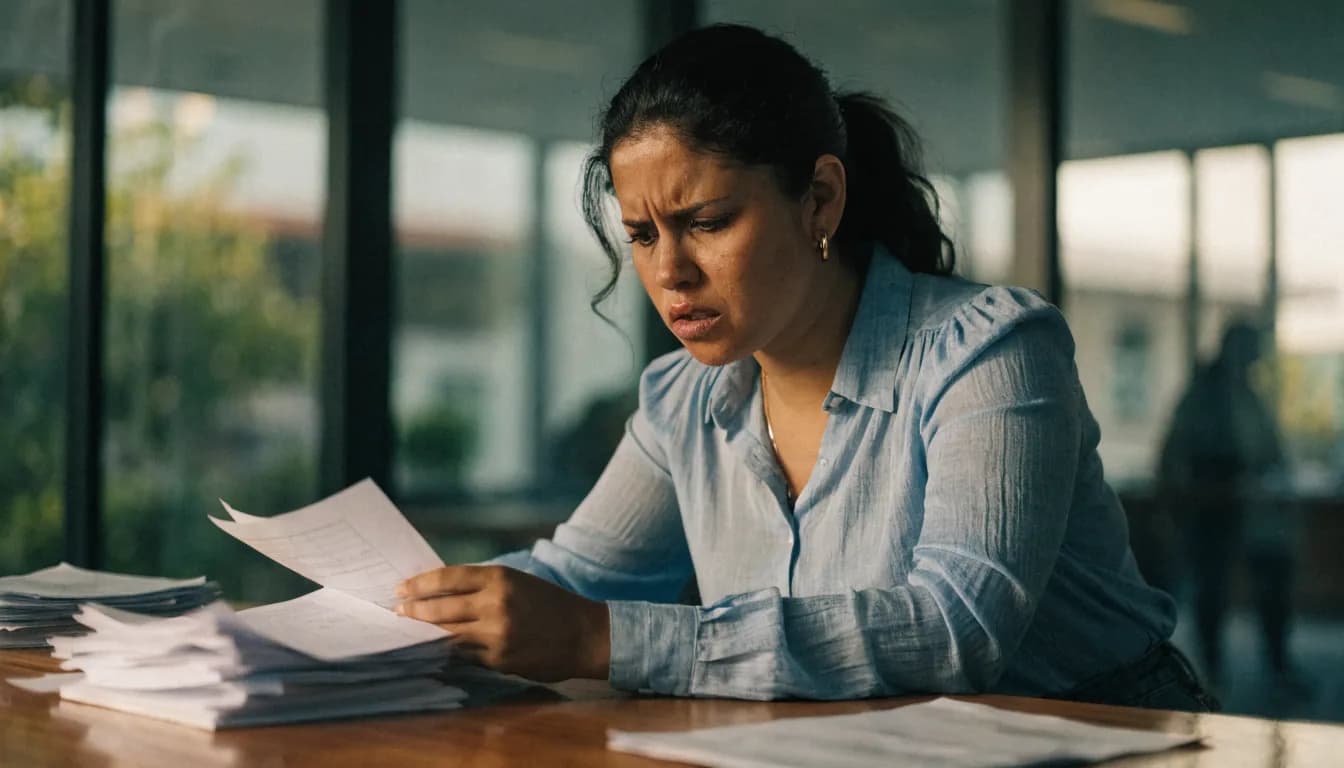
María found the perfect apartment in Santiago. Two bedrooms, spacious balcony, fair price. The agent told her someone else was interested and she needed to offer "today" with RD$150,000. Without much thought, she signed the contract and handed over the money.
Three weeks later she discovered the apartment had a court lien. The sale was canceled, but getting her reservation back took eight months and two lawyers.
The Most Costly Mistake First-Time Buyers Make

Toca Timbre
Propiedades reales. Agentes verificados. Tú decides sin miedo.
80% of first-time buyers in the Dominican Republic make the same mistake: sign and reserve before verifying the title. It's not overpaying. It's not picking the wrong zone. It's committing money without confirming that the seller can actually sell.
The common belief is that "the agent already checked everything" or "if it's published, it must be clean." But in the Dominican real estate market, responsibility for verifying the property's legal status falls on the buyer, not on whoever facilitates the sale.
What Title Verification Really Means in the Dominican Republic
Verifying the title isn't just asking for a copy of the certificate. It's confirming three critical elements before any financial commitment:
1. Owner Identity The person signing as seller must be exactly who appears in the title certificate. Full name, ID number, no variations.
2. Property Legal Status Obtain a charges and encumbrances certification from the corresponding Land Registry. This document reveals whether mortgages, liens, lawsuits, or any legal limitations exist.
3. Complete Documentation The title must be current, without registral irregularities, and with correct cadastral information.
What Happens If a Title Has Encumbrances
Not all encumbrances prevent the sale, but all require attention before making an offer. The most common in the Dominican Republic are:
- Bank mortgages: Require cancellation or lender agreement
- Court liens: Can completely block the operation
- Pending successions: Delay the sale until heir rights are defined
- Lawsuits: Create uncertainty about property ownership
Each notation has different consequences. A mortgage usually resolves at closing if the seller uses part of the price to pay it off. A court lien can mean the sale won't proceed until the legal conflict is resolved.
The Correct Process for Safe Buying
Buying a home in the Dominican Republic has a specific order that protects the buyer:
Before Any Signature:
- Request a copy of the original title certificate
- Obtain charges and encumbrances certification from the Land Registry
- Verify that the seller exactly matches the registered owner
- Review any notation with an independent lawyer
During Negotiation:
- Include in the contract the seller's obligation to deliver a clean title
- Set clear conditions for removing any existing encumbrances
- Define specific dates and each party's responsibilities
- Don't release full payment until registral transfer is confirmed
At Closing:
- Confirm all charges were removed as agreed
- Verify that the transfer registered correctly
- Obtain a copy of the new title in your name
Real Story: When Rushing Costs You
Carlos wanted to buy a Punta Cana house for RD$8.5 million. The seller insisted that "another buyer was coming tomorrow" and needed RD$500,000 reservation immediately. Carlos signed without verifying.
When he requested the charges and encumbrances certification afterward, he discovered the property had a RD$12 million mortgage with a bank. The seller didn't have funds to pay it off and the sale was canceled. Carlos recovered his money but lost three months and the real opportunity he found while waiting.
The Difference Between Urgency and Diligence
Pressure to "offer quickly" is common in the Dominican market, but title verification is non-negotiable. A legitimate seller understands the buyer needs to review documentation. Resistance to showing the title or charges certification is a red flag.
Property searching must include time for verification. It's better to lose a property by not offering blindly than to lose money by not verifying before committing.
Reflection: Buy With Control, Not Haste
In the Dominican Republic, the title certificate is more than a document: it's the line between a safe purchase and a legal nightmare. Pre-verification isn't unnecessary bureaucracy. It's the most important tool for buying with peace of mind.
The difference between experienced and first-time buyers isn't about budget or market knowledge. It's understanding that patience to verify before signing is the best protection against costly mistakes.
If you're starting your home-buying process, consider exploring options through platforms connecting buyers with verified real estate agents. Toca Timbre is an app where you can see properties published by agents and contact them directly via WhatsApp to ask the right questions from first contact: Toca Timbre
Frequently Asked Questions
How long does it take to get charges and encumbrances certification?
At the Dominican Land Registry, a charges and encumbrances certification usually takes 3 to 7 business days. The exact time depends on the workload of the corresponding registry office based on the property location. It's recommended requesting it as soon as you have serious interest in a property.
Can I buy a property that has a mortgage?
Yes, buying a mortgaged property is possible, but requires coordination. It's common for the sale price to pay off the mortgage at closing, with the remainder going to the seller. This must be clearly established in the sales contract, including who manages cancellation and when it happens in the process.
What do I do if I find an encumbrance the seller didn't mention?
Don't proceed with the purchase until you get clear explanations. Ask the seller for documentation on how it will be resolved and establish a new timeline including time to remove the charge. If the seller can't or won't resolve the encumbrance, it's better to find another property than to risk future legal complications.
Sources
- Most frequent mistakes when buying property in the Dominican Republic — https://alfamoyca.com/blog/los-errores-mas-frecuentes-a-la-hora-de-comprar-un-inmueble-en-republica-dominicana/22122?page=1
- Real estate fraud in the Dominican Republic: red flags and protection tips — https://www.corotos.com.do/blog/fraudes-inmobiliarios-en-republica-dominicana-senales-de-alerta-y-consejos-para-protegerte
- How to buy my property Dominican Republic — https://www.principia.com.do/C%C3%B3mo-comprar-mi-propiedad-Republica-Dominicana
- You're going to acquire a home know your rights — https://proconsumidor.gob.do/vas-adquirir-una-vivienda-conoce-tus-derechos/
- Discover what charges and encumbrances are in the Dominican Republic — https://blog.supercasas.com/2025/03/descubre-que-son-las-cargas-y-gravamenes-en-republica-dominicana-y-como-afectan-tu-propiedad-inmobiliaria/
- How to know if a property has charges or encumbrances — https://www.inmobiliaria.com.do/foros/jurisdiccion-inmobiliaria/como-saber-si-un-inmueble-tiene-una-carga-o-gravamen/
- Dominican Land Registry — https://ri.gob.do/?page_id=1701