Why You Feel Pressure When Buying a Home in Dominican Republic
18 de agosto de 2026 · 5 min min read
Understand why you feel pressured when buying a home in DR and how transparency can reduce that anxiety. Keys to a calmer process.
Why You Feel Pressure When Buying a Home in Dominican Republic
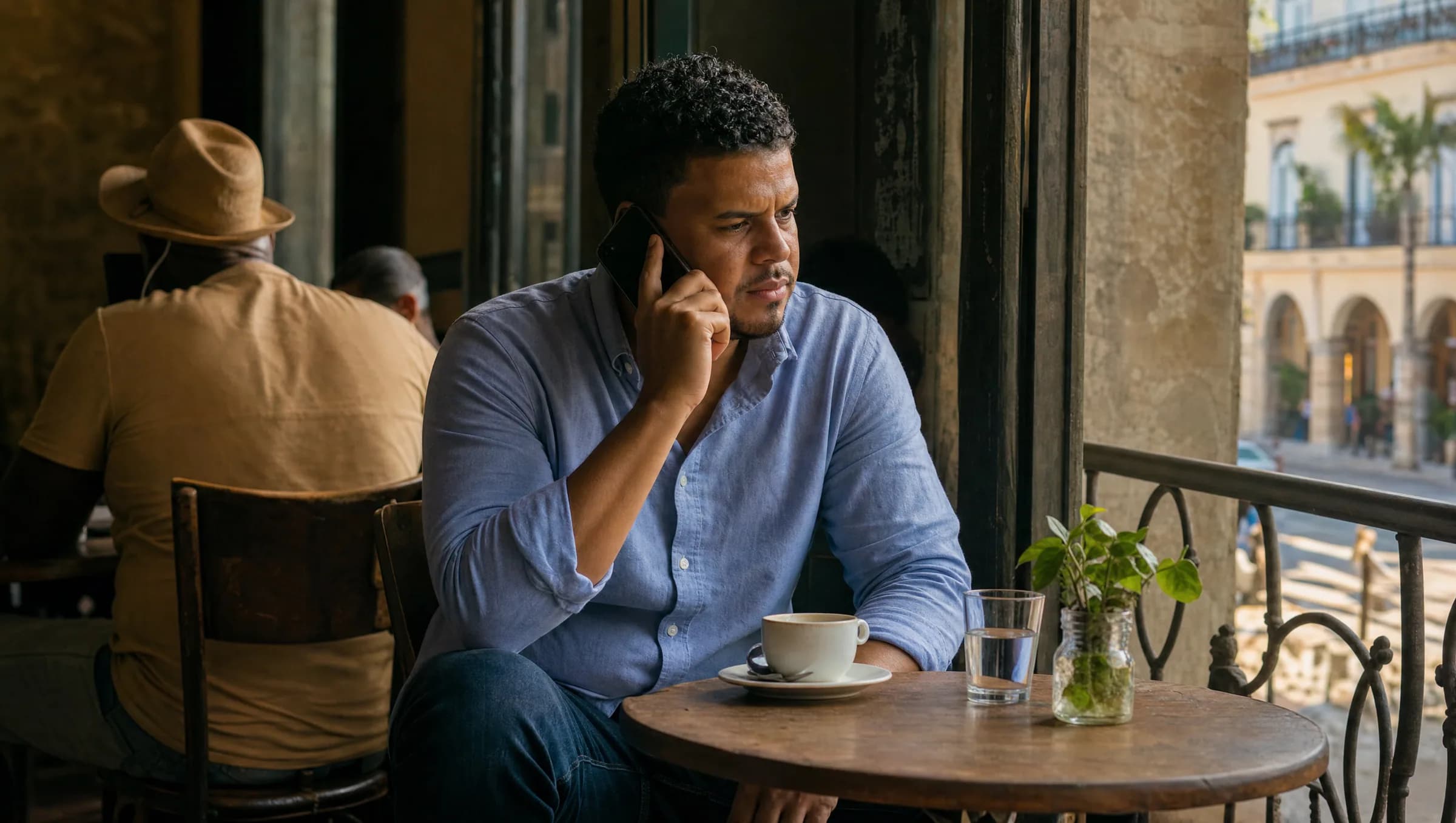
Carlos had just left his second real estate appointment of the week when his phone rang. "Carlos, I have another client interested in the same apartment. If you want to reserve it, I need you to come today with 200,000 pesos." It was Friday at 6 PM and he'd only looked at two properties. The feeling of pressure when buying a home in Dominican Republic wasn't new to him, but this time he decided to ask himself: why do I always feel this way?
The pressure when buying a home is more common than we think, and has both psychological and structural roots. Buying property involves family security, economic stability, and life plans, which naturally makes us arrive vulnerable to the process. When this emotional burden mixes with a market favoring urgency over transparency, the result is stress and impulsive decisions.
The Origin of Pressure When Buying a Home in Dominican Republic
In the Dominican real estate market, phrases like "reserve today," "it's the last unit," or "I have another client ready" are more common than clear explanations of processes, documents, and total costs. This dynamic doesn't arise by chance: a market with high demand and limited supply creates conditions where urgency becomes a sales tool.
Toca Timbre
Real listings. Verified agents. You decide, fear-free.
The problem intensifies when the buyer lacks a clear structure for decision-making. Without validated budget, without defined priorities, and without support team, any "opportunity" feels like the only opportunity. The seller's urgency becomes your urgency, and the purchase stops being a planned project to become an emotional reaction.
When Clear Structure Reduces Anxiety
 María's experience illustrates the difference. After feeling pressured at three different appointments, she decided to change her approach. First she defined her real budget with the bank: maximum RD$35,000 monthly payment, considering all expenses. Then she built her priorities list: east Santo Domingo, maximum 20 minutes from work, minimum two bedrooms.
With this structure, when an agent said "you have to reserve today," María could respond calmly: "I understand there's interest in the property. I'd like my lawyer to review the contract this weekend. If there's really urgency, explain exactly which documents I need to see today to make an informed decision."
The difference was notable: the agent lowered the pressure and focused on explaining the actual process.
Elements of a Minimum Structure
A professional structure for buying a home includes specific elements that reduce vulnerability to pressure:
Validated budget: Not just the sale price, but taxes (3% transfer), notary costs, monthly maintenance, and emergency fund. A comfortable-looking payment can become burdensome when you add all real costs.
Phase timeline: Define needs (2 weeks), search with agent (4-6 weeks), visit and compare (2 weeks), review legal documentation (1-2 weeks), negotiate and close (2-3 weeks). When both parties respect these timelines, "today" doesn't mean "without thinking."
Basic team: Independent real estate lawyer to review contracts and titles, and trustworthy agent who understands your real needs, not just market urgencies.
Checklist: Clean title, current building permits, municipal tax status, confirmed services, and clear promissory sale contract terms.
Transparency As Natural Antidote
When a developer or agent works with real transparency, the pressure changes nature. Instead of "reserve before someone else does," you hear concrete explanations: "The reservation process is RD$100,000 refundable for 15 days. During that time you can review the contract with your lawyer. The project has these permits ready and these pending. Total costs, including taxes, add up to this amount."
Transparency reduces anxiety because it transforms diffuse fear into concrete information. Knowing exactly what you're buying, under what conditions, and with what commitments allows you to stay calm and evaluate whether the opportunity really fits your life plan.
First Mistake: Starting on Social Media Without Structure
Many first-time buyers start their search on Facebook or Instagram, where information isn't verified and ads are designed to generate immediate emotion. Seeing beautiful properties with "limited offers" without clear payment capacity is a perfect recipe for constant pressure.
The starting point matters: when you begin with your financial structure and support team, these same social networks become useful exploration tools, not your only truth source.
A Calm Reflection
If you feel pressure when buying a home, it's not a failure on your part as a buyer. It's a signal that structure may be missing from your process or transparency is lacking in the market you're exploring. The solution isn't accelerating your decision to relieve the pressure, but slowing down enough to build the clarity you need.
A serious developer and professional agent can have legitimate commercial urgencies, but should never ask you to commit money without first giving you all information necessary to understand exactly what you're signing and how it fits your financial reality.
Remember that buying a home is a years-long project, not a speed race. The right decision made calmly always beats the quick decision made under pressure.
To explore the real estate market with more clarity and less pressure, you can use Toca Timbre, an app where buyers can see properties posted by verified agents and contact them directly via WhatsApp when they find something fitting their structured search. You can explore it at: Toca Timbre
Frequently Asked Questions
Is it normal to feel pressure when buying my first home?
Yes, it's completely normal. Buying a home is one of life's most important financial decisions, and the real estate market often favors urgency over patience. The key is distinguishing between natural process anxiety and artificial pressure created by lack of transparency or structure.
How do I know if the urgency they're transmitting is real?
Legitimate urgency comes with full transparency: the seller can explain exactly why urgency exists, what documents you can review immediately, what specific commitments you're making, and under what conditions you can exit the agreement if something isn't as promised.
What should I do if I feel all agents are pressuring me equally?
This usually indicates you need to change your starting point. Instead of seeking agents first, start by defining your real budget, your clear priorities, and your support team. With this structure, you'll more easily identify professionals who respect your process versus those only seeking quick sales.
Sources
- Rocket Mortgage — https://www.rocketmortgage.com/es/learn/la-emocion-detras-de-la-compra-de-una-vivienda
- Exclusive Inmo — https://exclusiveinmo.com/como-manejar-la-ansiedad-al-comprar-una-casa-guia-practica-para-un-proceso-sin-estres/
- Studi.cat — https://studi.cat/es/por-que-puede-ser-tan-estresante-comprar-o-vender-una-vivienda/
- La Voz de Galicia — https://www.lavozdegalicia.es/noticia/mercados/2025/08/15/ansiedad-contagia-inmobiliario/00031755259300755122270.htm
- The Objective — https://theobjective.com/economia/2026-04-16/miedo-subida-tipos-falta-oferta-compra-vivienda-visita-previa/