Why the Cheapest Properties Are Often in the Legal Sanitation Process
3 de julio de 2026 · 5 min min read
Discover the reality behind low prices in Dominican real estate and why they can hide complex legal processes.
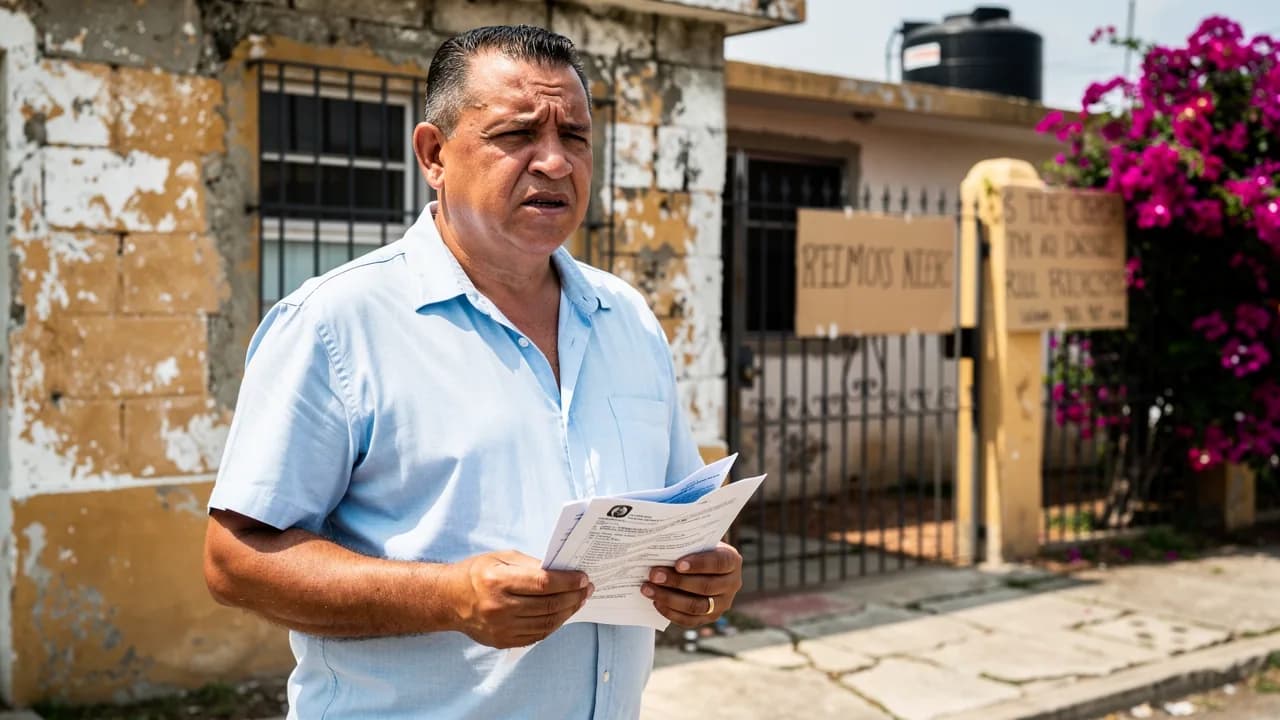
Why the Cheapest Properties Usually Have Pending Legal Issues
When you explore the Dominican real estate market, you're tempted to be attracted by the most economical offers. A lot in Santiago at 800,000 pesos when the average is around 1.5 million, or a house in Santo Domingo Norte at prices well below the usual per-square-meter rate. However, behind these apparently convenient prices hides a reality few buyers understand at the start: most of these "cheap" properties are in a pending legal sanitation process.
This situation isn't coincidence or bad luck. It's a structural characteristic of the Dominican market that every buyer should understand before making decisions.
The wrong belief about low prices
Many buyers assume that finding a property significantly cheaper than the market average is simply "getting lucky" or finding a "bargain." This belief ignores a fundamental reality: in the Dominican real estate market, price almost always reflects the level of legal certainty of the property.
Toca Timbre
Propiedades reales. Agentes verificados. Tú decides sin miedo.
According to recent data, only around 7% of homes in Greater Santo Domingo and the National District qualify as low-cost (up to 3 million pesos). This means finding genuinely cheap properties in established areas is exceptional, and when they appear, there's usually a specific reason.
What "legal sanitation process" really means
 Real estate legal sanitation is the legal process through which land or property without a definitive title goes through the Real Estate Court to obtain a properly registered Title Certificate. A property in sanitation hasn't been completely consolidated legally yet.
This process includes several stages:
- Application to the Real Estate Court with possession documents
- Cadastral survey by authorized surveyor
- Public hearing for possible third-party objections
- Judicial decision
- Issuance and registration of the definitive title
Until this cycle is completely finished, objections, boundary conflicts, or claims can still emerge that modify your expectations for the property.
The buyer's moment of confusion
Imagine Carlos, 34, a bank employee who saved for five years to buy his first home. He finds a house in Villa Mella for 2.8 million pesos, when similar properties in the area cost 4 million or more. The seller assures him the "title comes in two months" and it's "just paperwork."
Carlos feels the pressure to decide quickly because "at that price it won't last long." He doesn't realize he's about to assume months or years of legal procedures, unexpected costs, and the constant uncertainty of not knowing whether he'll really be the legal owner until the sanitation ends.
The actual cost of a property in legal sanitation
For a home buyer in the Dominican Republic, the sale price of a property in legal sanitation represents only a fraction of the actual total cost:
Time: Processes can extend from months to years, depending on case complexity and land court workload.
Additional procedures: Topographic surveys, plan deposits, public notices, hearings, coordination with lawyers and surveyors.
Economic costs: Legal fees, surveying services, administrative fees, and possible expenses for clarifying inheritances or agreements with other possessors.
Financial limitations: Banks generally don't grant mortgage financing until there's a definitive title, complicating credit access.
Emotional stress: The constant uncertainty of not having legal clarity about your most important investment.
Why verified agents avoid these properties
A responsible real estate agent who values client security usually avoids showing pending legal sanitation properties to home buyers. The reason is simple: they understand their role is to protect, not complicate the life of whoever trusts their judgment.
Verified agents understand that:
- A property in legal sanitation doesn't offer the same legal security as property with a definitive certificate
- Timelines are unpredictable and can frustrate the buyer
- There are alternatives with clean titles that, though more costly initially, prove more convenient long-term
In contrast, agents who prioritize closing sales quickly tend to minimize these risks with phrases like "that clears up fast" or "it's just paperwork," without explaining the real complexity of the process.
The difference in today's market
In Santo Domingo, average apartment prices are around 137,800 pesos per square meter, while houses average 75,261 pesos per square meter. When a property is offered significantly below these parameters in established urban areas, it's time to investigate its legal status thoroughly.
Properties with prices aligned to market rates in consolidated zones and formal projects usually have definitive titles and more direct transfer processes. Though the initial price is higher, the buyer pays for legal security and peace of mind.
A clearer perspective for deciding
Not all properties in legal sanitation are problematic, but they do require a level of understanding and preparation most first-time buyers don't have. The problem isn't that these properties exist, but that they're frequently presented without the necessary transparency about what the process entails.
Before considering a property with a noticeably low price, ask specifically:
- What stage of the sanitation process is it in?
- Are there pending objections or conflicts?
- Who will handle the costs and procedures?
- What's the realistic timeline to get the title?
The "bargain" real estate deal that doesn't include these clear answers will generally end up being more costly and stressful than initially expected.
A more organized way to explore the market
Understanding this market dynamic lets you make more informed decisions from your first steps. If you're starting to explore properties and want to contact agents who value transparency from the first moment, you can use Toca Timbre, an app where buyers can explore properties listed by agents and contact them directly via WhatsApp to ask the right questions from the start: Toca Timbre
Frequently Asked Questions
How long does a legal sanitation process take in the Dominican Republic?
The time varies significantly depending on case complexity, from several months to years. It depends on factors like conflict existence, land court workload, and documentation completeness. There's no standard guaranteed timeline.
Can I get bank financing for a property in legal sanitation?
Most Dominican banks don't grant traditional mortgage financing until there's a registered definitive title. This limits financing options and may require cash payment or more expensive alternative structures.
Is it safe to buy a property in legal sanitation?
It can be, but requires specialized legal advice, complete understanding of the process, and preparation to handle time, additional costs, and some uncertainty. It's not recommended for first-time buyers without experience in complex real estate procedures.
Sources
- Law 108-05 on Real Estate Registration
- Real Estate Legal Sanitation in the Dominican Republic
- Practical and Legal Guide for Real Estate Sanitation
- Explanatory Video on Real Estate Sanitation
- Presentation on Real Estate Sanitation
- Title Regularization and Sanitation Services
- Properties for Sale Ordered by Price
- Report on Low-Cost Homes in Santo Domingo
- Cheap Properties in the Dominican Republic
- SuperCasas Portal
- Houses Ordered by Price
- Apartments in Santo Domingo by Price
- Housing Prices in Santo Domingo