Why Facebook Marketplace Is The Worst Place To Search For A Home In The DR
31 de agosto de 2026 · 5 min min read
Discover why starting your property search in the Dominican Republic from Facebook Marketplace can cost you dearly. Learn about the safest alternatives.
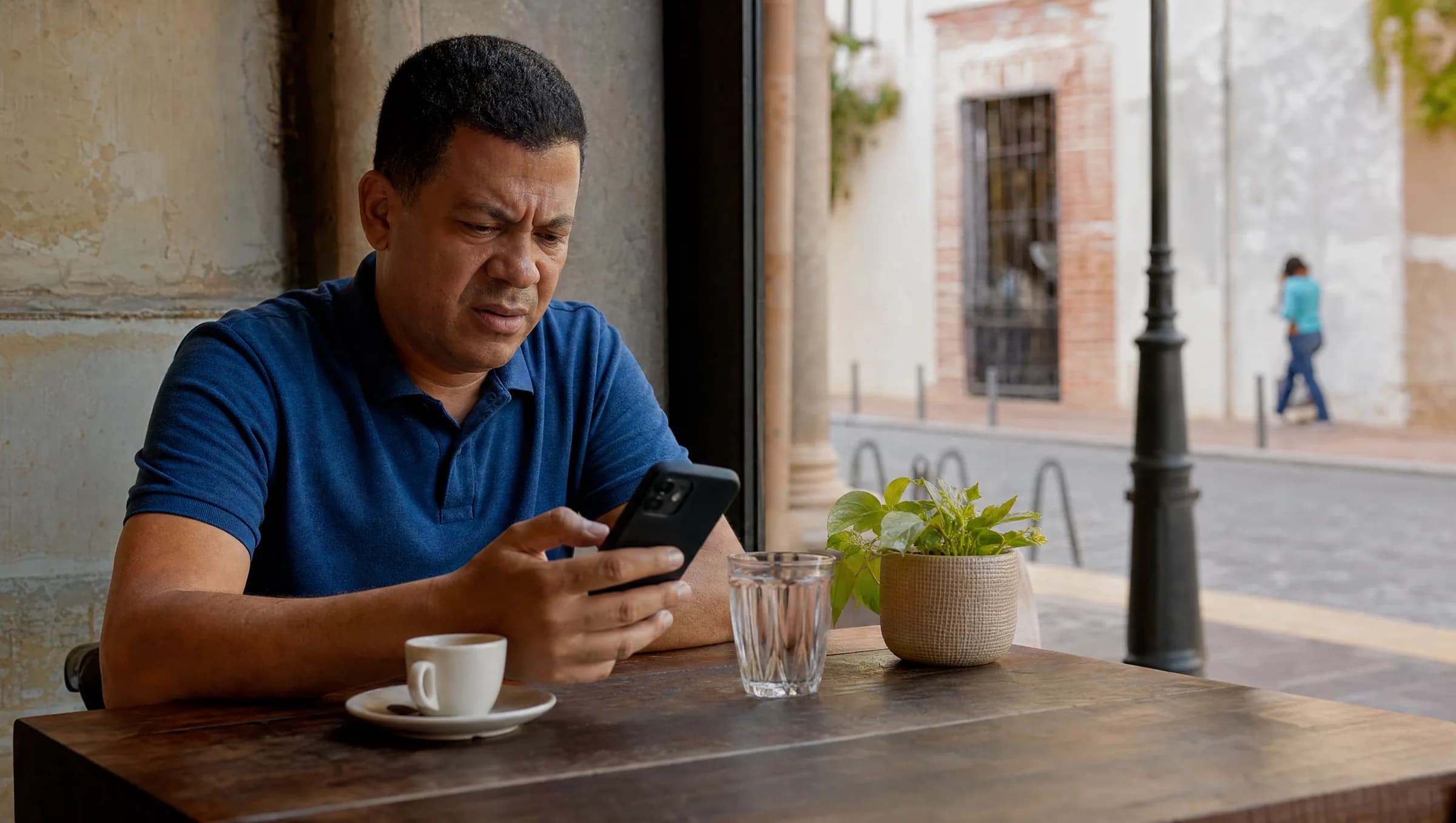
The Mistake Thousands of Dominicans Abroad Make
Carlos has lived in Miami for five years. He works in construction, has saved US$40,000 and wants to buy an apartment in Punta Cana to rent on Airbnb. Like any modern Dominican, he opens Facebook and searches for "apartments Punta Cana for sale". Within seconds, hundreds of posts appear: "Oceanfront apartment US$85,000", "Unique opportunity, new tower", "Only 3 units left".
Searching for properties on Facebook Marketplace Dominican Republic seems practical and direct, but it represents one of the most risky starting points for anyone who wants to invest from abroad. What appears to be an advantage—immediate access to hundreds of offers—becomes a trap of misinformation, unverified contacts, and rushed decisions that can cost tens of thousands of dollars.
Why Facebook Marketplace Is A Maze With No Exit
 The first problem with starting on Facebook Marketplace is the complete lack of context. An isolated post doesn't help you understand whether that US$85,000 property is overpriced or underpriced for the area, whether the developer has a history of completed projects, or whether the price includes all closing costs. Carlos sees the price and compares it to Miami, where a similar apartment would cost US$300,000, but he doesn't know that in that specific Punta Cana area the average price per square meter is 30% lower.
Toca Timbre
Verified properties, certified agents. You just decide.
Without market context, Carlos starts comparing apartments that aren't comparable: one under construction vs. one completed, one with ocean view vs. one 15 minutes from the beach, one with parking included vs. one where you pay separately. This initial confusion leads him to change his criteria every week and, more dangerously, fail to spot offers that sound too good to be true.
The second major risk is the absence of reputation filters. On any Facebook group, anyone can post impressive render images and promise delivery in 18 months. There's no way to verify whether that person is licensed as a real estate agent, whether the developer exists legally, or whether the project has approved construction permits.
Carlos receives private messages from three different "agents" for the same property, each with a different story about availability and prices. One asks him to transfer US$5,000 as a "deposit" to "secure the unit". Another promises that if he decides today, he can get him a 15% discount. A third sends him a contract in PDF with no company letterhead or developer information.
The Trap of Incomplete Prices
Facebook Marketplace is full of ads highlighting attractive prices without explaining additional costs. An apartment for US$85,000 can become US$95,000 after adding:
- Transfer Tax (ITBI): 3% of registered value
- Legal and notarial fees: 1-2% of price
- Registration costs: US$500-1,000
- Agent commissions: 3-5% if not included
- Basic furnishings: US$8,000-15,000 for Airbnb
Seeing dozens of "offers" without complete information distorts your perception of the market. Carlos thinks he can buy with US$40,000 when in reality he needs a minimum of US$50,000 to close the transaction and have the apartment ready to generate income.
The Moment of Truth: When Everything Gets Complicated
After two weeks comparing options in Facebook groups, Carlos decides to reserve an apartment. The "agent" asks him to transfer US$5,000 to a personal account "to speed up the process". He explains that since Carlos is in Miami, it's easier to handle everything through direct transfer.
Carlos transfers the money. A week later, when he asks for the formal contract, the contact becomes evasive. He tells him there's "a small delay with the documents" but that "don't worry, everything is secure". A month later, the phone number no longer answers.
This situation repeats frequently because Facebook Marketplace encourages dangerous shortcuts: accepting verbal promises, transferring money without legal contracts, not verifying property titles, and trusting unaccredited intermediaries.
How A Structured Search Should Begin
A real estate search from abroad should start by defining clear criteria before seeing any properties:
1. Investment objective: Is it to live, rent seasonally, or resell in 3-5 years?
2. Specific area: Not generic "Punta Cana", but Bávaro, Cap Cana, or Uvero Alto, each with different price dynamics.
3. Real budget: Include all closing costs, not just the list price.
4. Agent verification: Confirm license, previously completed projects, and client references.
5. Legal due diligence: Review of titles, construction permits, and developer's legal status before transferring any money.
This structured process requires a platform that organizes information, not a disorganized feed of posts without context.
The Difference Between Searching and Exploring
The underlying problem isn't that Carlos wants to invest from Miami. The problem is that he started to "search" before "exploring". Searching means you already know what you want and just need to find it. Exploring means you first need to understand how the market works, what areas exist, what prices are realistic, and what specific risks apply to each area.
Facebook Marketplace is designed for searching, not exploring. That's why it generates so much confusion and rushed decisions that end badly.
A Dominican living abroad who wants to invest well doesn't need to see 500 apartments for sale. He needs to understand 3-4 areas in depth, know 2-3 agents with verifiable track records, and have clear criteria before starting to evaluate specific properties.
The Safest Route To Begin
If you live outside the Dominican Republic and want to invest in real estate, your first step shouldn't be opening Facebook. It should be finding a platform that lets you explore the market in a structured way: see properties organized by area, compare prices per square meter, identify agents with verified track records, and understand the real costs of each type of investment.
Only after that structured exploration does it make sense to contact specific agents, schedule visits, and move toward purchase decisions.
The Dominican real estate market is transparent and accessible to foreigners, but it requires an orderly starting point. Starting in the right place determines everything that comes after: the quality of information, the reliability of contacts, and the clarity of the process.
For those looking to explore properties in the Dominican Republic in a more structured way, platforms like Toca Timbre allow you to view offers organized by geographic area and contact directly via WhatsApp with agents who publish their properties on the system. You can explore the market from Toca Timbre before making investment decisions.
Frequently Asked Questions
Is it legal to buy properties in the Dominican Republic from abroad?
Yes, it's completely legal. Dominican law allows foreigners to buy properties with the same rights as nationals, without needing special permits. The process requires the same documentation and legal steps as for any local buyer.
What documents do I need to buy from the United States?
You need a valid passport, proof of income, certification of the lawful origin of funds, and it's advisable to apostille certain documents at the Dominican consulate. A lawyer specializing in real estate can guide you on the specific requirements depending on your situation.
What are the additional costs beyond the property price?
You should add approximately 5-8% of the purchase price in closing costs: Transfer Tax (3%), legal and notarial fees (1-2%), registration fees, and possible commissions. Also consider furnishings and operating expenses if you plan to rent.