Why First-Time Buyers Should Avoid "Bargains" in Declining Neighborhoods in the Dominican Republic
27 de agosto de 2026 · 6 min min read
Perfect photos on social media hide the reality of neighborhoods that lost value. Discover what to evaluate before buying to avoid costly mistakes.
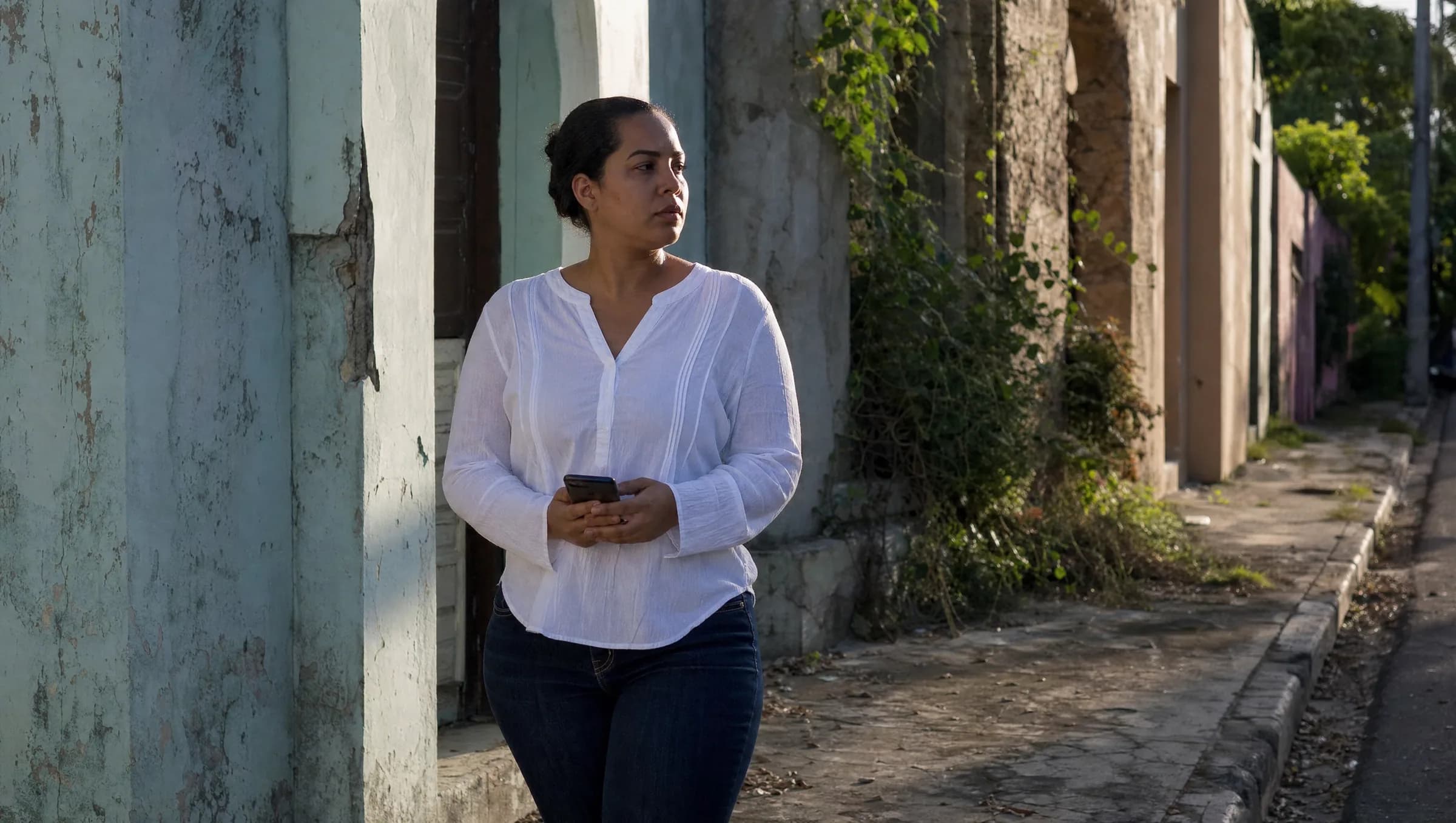
Why First-Time Female Buyers Should Avoid "Bargains" in Declining Neighborhoods
A three-bedroom house in Gascue for RD$4.5 million when the neighborhood average exceeds RD$8 million. An apartment in Don Bosco with a 40% discount because "the owner needs to sell fast". These bargains in declining neighborhoods in the Dominican Republic flood Facebook groups and WhatsApp, promising the perfect opportunity for first-time buyers.
But behind the tempting price hides a reality that well-taken photos don't show: sectors that lost their residential appeal, emblematic neighborhoods degraded, and zones where value will continue to fall. For a first-time Dominican female buyer, what seems like a financial victory can turn into years of stress, insecurity, and a property impossible to resell.
The Visual Trap of Social Media
Carolina has been searching for her first home in Santo Domingo for three months. Every time she mentally prepares to take the leap, Instagram shows her beautiful apartments in the Colonial Zone, spacious houses in Don Bosco, and residences "with potential" in central sectors. The photos show restored facades, cobblestone streets, and spaces that look like they're from a magazine.
Toca Timbre
Verified properties, certified agents. You just decide.
What social media doesn't show is the complete context. The Colonial Zone, historically valued as a middle and upper-middle-class residential area, faces "real estate pressure" oriented toward tourism that changed its residential purpose. Many family homes converted into vacation apartments and boutique hotels, creating a paradoxical effect: land prices rise, but quality of life for permanent residents falls.
The result is tourist saturation, constant noise, parking difficulties, and high dependence on the short-term market. For someone who only sees the curated photos, it seems like a safe investment. For those living there, it becomes an unpredictable environment where neighbors change weekly.
Emblematic Neighborhoods That Lost Their Essence
 Don Bosco perfectly exemplifies this silent transformation. It was considered "one of the best neighborhoods to live and raise children", with quiet streets, spacious houses, and established neighborhood life. Today, residents describe the sector as practically uninhabitable due to loss of tranquility, increased noise, and strong deterioration.
A buyer guided by photos of spacious houses and tree-lined streets might not perceive that the environment changed: more vehicle traffic, informal commerce, rising crime, and land-use changes that devalue the daily residential experience.
Los Prados shows another side of the same phenomenon. The change in land use—transformation of single-family homes into commercial structures—led to urban chaos and constant congestion. Commercial boom altered the sector's original identity, creating problems like parking difficulty, permanent noise, and reduced pedestrian safety.
Bargains in Declining Neighborhoods: The Real Emotional Cost
Buying a property "on the cheap" in a declining zone creates emotional wear that few anticipate. Home buying is a decision with high economic magnitude, low reversibility, and strong emotional weight: it commits much of family wealth, is costly to undo, and connects directly with security and life plans.
María José bought an apartment in Villa Francisca for RD$3.2 million, half the price of nearby sectors. Photos showed a well-located apartment building near downtown. What she discovered afterward was an internal network of streets with sewage overflow, insecurity, microdrugs, and marginality that directly affects perceived value and daily quality of life.
The home, which should be a source of stability, becomes a daily reminder of a mistake difficult to correct. The buyer lives with additional fears: neighborhood insecurity, neighbors leaving, progressive urban deterioration, and difficulty reselling the property without significant losses.
The Hidden Costs of "Opportunities"
Bargains hide expenses that don't appear in closing price. Transaction expenses—taxes, notary, registration, brokers—add between 7% and 14% to purchase value. In declining neighborhoods, there are frequently underestimated additional costs:
- Corrective Maintenance: Properties in deteriorated sectors require more investment in security, repairs, and preventive maintenance
- Higher Insurance: Insurers charge higher premiums in zones with higher crime rates
- Resale Difficulty: Average market time is longer, requiring aggressive price cuts
- Opportunity Costs: Living in less connected zones increases transportation expenses and wasted travel time
Beyond this, the "bargain bias" mixes with fear of "being left out of the market", leading to rushed decisions driven by price rather than objective metrics of real value and future projection.
How to Evaluate Beyond Price
The key isn't pursuing the lowest price, but building a structured decision process with objective metrics:
Before Visiting Properties:
- Define safety criteria, access to transportation, and quality of basic services
- Research the zone's projection: is it recovering or deteriorating?
- Simulate adverse scenarios: what if area prices fall or you need to sell quickly?
During Evaluation:
- Visit at different times and days of the week
- Talk with current neighbors about recent changes in the neighborhood
- Check sales history and average market time
- Review municipal urban development plans
Before Deciding:
- Compare buying vs. renting over horizons of at least 7 years
- Calculate all associated costs, not just purchase price
- Consult with verified professionals who handle current market information
A Decision From Clarity
Not everything cheap is opportunity. In declining zones, low prices typically buy more uncertainty, more stress, and fewer future options. The first-time Dominican female buyer who invests time understanding the market, evaluates real trends, and seeks professional guidance protects both her wealth and emotional well-being.
The true opportunity isn't finding the perfect bargain, but making informed decisions that generate long-term stability. A structured process, with reliable information and clear criteria, transforms search anxiety into confidence to build wealth from clarity.
If you're beginning your home search, consider exploring options through platforms that connect buyers with verified agents. Toca Timbre is an app where you can see properties published by real estate agents and contact them directly via WhatsApp to get detailed information about each zone and property. Exploring the market with more structure can help you make calmer decisions: Toca Timbre
Frequently Asked Questions
How can I tell if a neighborhood is really in decline or just has temporarily low prices?
Review concrete indicators: average time properties stay on the market in the area, changes in resident profile over the last 3-5 years, and municipal urban development projects. A neighborhood in decline shows patterns like increased informal commerce, change from residential to commercial land use, and exodus of middle-class families. Consult official statistics and speak with long-time residents to understand real trends.
What should I do if I already bought in a zone that's losing value?
Objectively evaluate your options without being influenced by loss aversion. If you plan to live there for many years, invest in improving the safety and comfort of your specific home. If the situation significantly affects your quality of life, consider selling even with partial loss—sometimes it's better to assume the cost and relocate than maintain a property that causes constant stress.
Do social media photos always deceive about neighborhood reality?
They don't always deceive, but they do show only one side of reality. Photos tend to highlight positive aspects—restored buildings, clean streets, green areas—without showing problems like traffic, noise, insecurity, or poor services. Use social media as a starting point to discover zones, but always supplement with visits at different times, conversations with neighbors, and objective real estate market data.
Sources
- MEPyD and Civil Society Evaluate Vulnerable Neighborhoods — https://mepyd.gob.do/mepyd-y-sociedad-civil-evaluan-barrios-vulnerables/
- Los Prados: Sector That Loses Original Identity Amid Commercial Boom — https://eldia.com.do/los-prados-sector-que-pierde-identidad-original-ante-el-auge-comercial/
- Villa Francisca: Emblematic Sector of SD Hides Misery Among Buildings — https://hoy.com.do/el-pais/villa-francisca-sector-emblematico-de-sd-esconde-miseria-entre-edificaciones_781070.html
- The Decline of Traditional Santo Domingo Neighborhoods — https://primicias.net/web/la-defenestracion-de-los-barrios-tradicionales-de-santo-domingo/
- The Don Bosco Neighborhood — https://www.elcaribe.com.do/opiniones/el-barrio-don-bosco/
- Emotional Strain: The Other Price of Housing — https://elpais.com/estilo-de-vida/2026-01-10/el-desgaste-emocional-el-otro-precio-de-la-vivienda-procesos-agotadores-y-sensacion-de-supervivencia.html
- Common Property Investment Mistakes — https://www.prophero.com/es/common-property-investment-mistakes/
- Behavioral Biases in Housing Decisions — https://valios.co/guias/vivienda-y-decisiones-de-compra/sesgos-conductuales-en-las-decisiones-de-vivienda/