Why that apartment on Corotos might not exist (and how to tell)
18 de marzo de 2026 · 5 min min read
Most Dominicans search for property on platforms where anyone can post. We explain how to identify fake listings before your first contact.
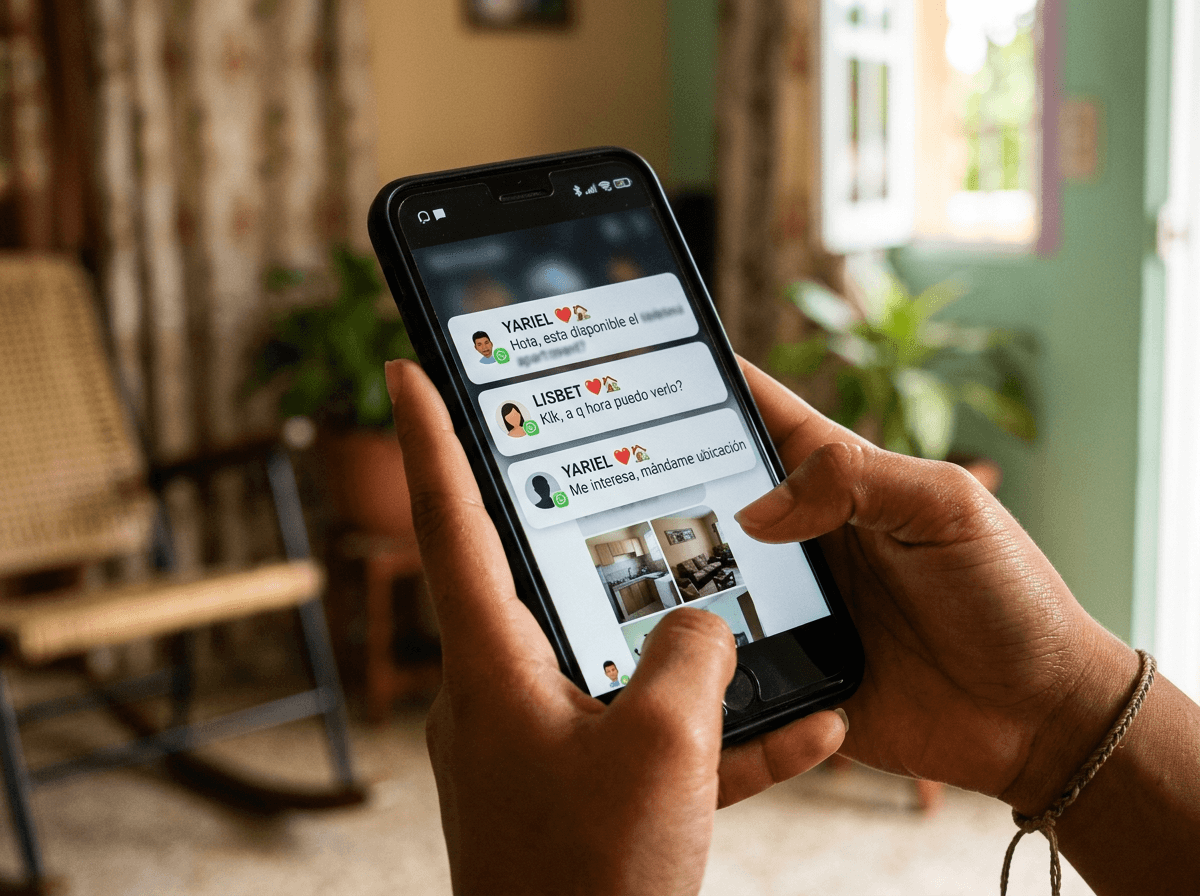
Where you search determines everything
Carla has spent three weeks browsing apartments on Corotos. She's saved fifteen listings, compared prices, and even calculated monthly payments. But when she called about the perfect apartment—two bedrooms in Naco for RD$4.5 million—the person on the other end asked for a deposit "to secure it" before showing her the unit.
That property probably doesn't exist. And Carla isn't the first to fall into this trap.
The belief that puts you at risk from the start
Most people believe that if a listing has professional photos and a specific price, the property is real. That belief is wrong and expensive.
Toca Timbre
Propiedades reales. Agentes verificados. Tú decides sin miedo.
Anyone can grab photos from the internet, invent an attractive price, and post on Corotos, Facebook Marketplace, or Mercado Libre. There's no verification of who posted it. You don't know if it's a licensed agent, someone with no experience, or someone with outright fraudulent intentions.
The problem isn't that these fake listings exist. The problem is that starting your home search in the Dominican Republic on unfiltered platforms exposes you to wasted time, lost money, and broken trust before you've even spoken to anyone real.
How the most common scam works in the Dominican market
Ghost listings follow a predictable pattern:
- Price below market: an apartment in Piantini for RD$3.8 million when the average is RD$5.2 million
- Perfect photos: professional images taken from real projects or stock photo banks
- Convincing description: specific details about finishes, location, and amenities
- Artificial urgency: "Only two units left" or "special price this week only"
- Deposit request: before showing documents, before a viewing, before verifying anything
Miguel, a Dominican living in New York, almost transferred US$3,000 as a "reservation" for an apartment in Bella Vista he found on Facebook. He only stopped when he asked for a video call and the person refused.
Why open platforms don't protect the buyer
Corotos, Facebook Marketplace, and similar platforms are listing directories, not verification systems. Their business model depends on volume of posts, not quality or truthfulness.
This means:
- No identity verification: anyone can create a profile with a fake name
- No property validation: they don't confirm whether the property exists or is available
- No agent screening: they don't distinguish between licensed professionals and amateurs
- No transaction oversight: they don't get involved in disputes or fraud cases
According to Dominican real estate sector data, approximately 68% of homes in the country lack a formalized property title. This reality, combined with unverified platforms, creates an environment where ghost properties thrive.
The real cost of starting in the wrong place
- Time wasted: Carla spent 20 hours over three weeks reviewing listings where 40% turned out to be duplicates or nonexistent properties.
- Money at risk: deposit requests range from RD$15,000 to RD$100,000, depending on the price of the fake property.
- Trust damaged: after two negative experiences, many buyers develop distrust toward the entire home-buying process.
- Emotional decisions: frustration leads some buyers to accept the first "real" property they find, without properly evaluating it.
Red flags for spotting ghost properties
Before contacting any listing, check for these:
In the listing
- Price significantly below the neighborhood average
- Seller profile incomplete or with no sales history
- Generic description that could apply to any property
- Photos too perfect, without location-identifying details
In first contact
- Refuses to provide the exact address until you "show serious interest"
- Asks for a deposit before the viewing or before showing documents
- Avoids voice or video calls
- Can't answer specific questions about the building or neighborhood
In documentation
- No property title certificate or claims "temporary paperwork issues"
- Blurry documents or photographed from odd angles
- Refuses to show documents until you provide "proof of financial capability"
The right process for home searching in the DR
A structured home search in the Dominican Republic should start with clarity about who is selling to you, not just what they're selling.
This involves:
- Verifying the agent first: confirm they have an AEI license and proven experience
- Validating the property second: request documentation before any financial commitment
- Know the area: research average prices and neighborhood characteristics
- Set a realistic budget: including transfer costs, taxes, and potential repairs
Why your first contact matters in the home-buying process
In the Dominican real estate market, the first agent you contact often becomes the one managing your entire purchase. This person will influence:
- Which properties you see (and which you don't)
- The price range you consider
- The negotiation terms you accept
- The quality of legal and financial process
That's why starting with a verified agent isn't just safer—it's more efficient.
A thought on where you start
Where you begin your home search isn't neutral. It shapes everything that follows: the options you consider, the people you talk to, and ultimately, the decision you make.
It's not about avoiding all popular platforms, but understanding their limitations and risks. An informed search starts by recognizing that in the Dominican real estate market, verifying the seller is as important as verifying the property.
If you're thinking about buying or renting a home in the Dominican Republic, there's an alternative for exploring the market with more clarity. Toca Timbre is an app where you can see properties posted by agents and contact them directly via WhatsApp, with no middlemen. You can explore options at Toca Timbre and decide if this approach fits your search style.
Frequently asked questions
How do I verify if a real estate agent is legitimate in the Dominican Republic?
You can verify an agent's license by checking the registry of the Association of Real Estate Companies (AEI). A legitimate agent should have a current license number and can provide you with verifiable references from past transactions. They should also be willing to meet in person or via video call.
Is it normal for agents to ask for a deposit before showing a property?
No. In the standard home-buying process in the Dominican Republic, you first visit the property, review basic documents, and only then do you discuss reservation terms. Any request for money before physically seeing the property is a red flag.
What documents should a seller show me before I commit to a property?
The seller should show you at least: the property title certificate, an updated property survey, and proof of payment of municipal taxes. If it's an apartment, also the condominium bylaws. These documents must be in the seller's name or show clear legal authorization to sell.