Why Sending Money from Abroad Generates So Much Anxiety
6 de julio de 2026 · 5 min min read
Discover the real reasons behind the anxiety of sending money from abroad to buy properties in the Dominican Republic.
Why Sending Money from Abroad to Buy Properties Generates So Much Anxiety
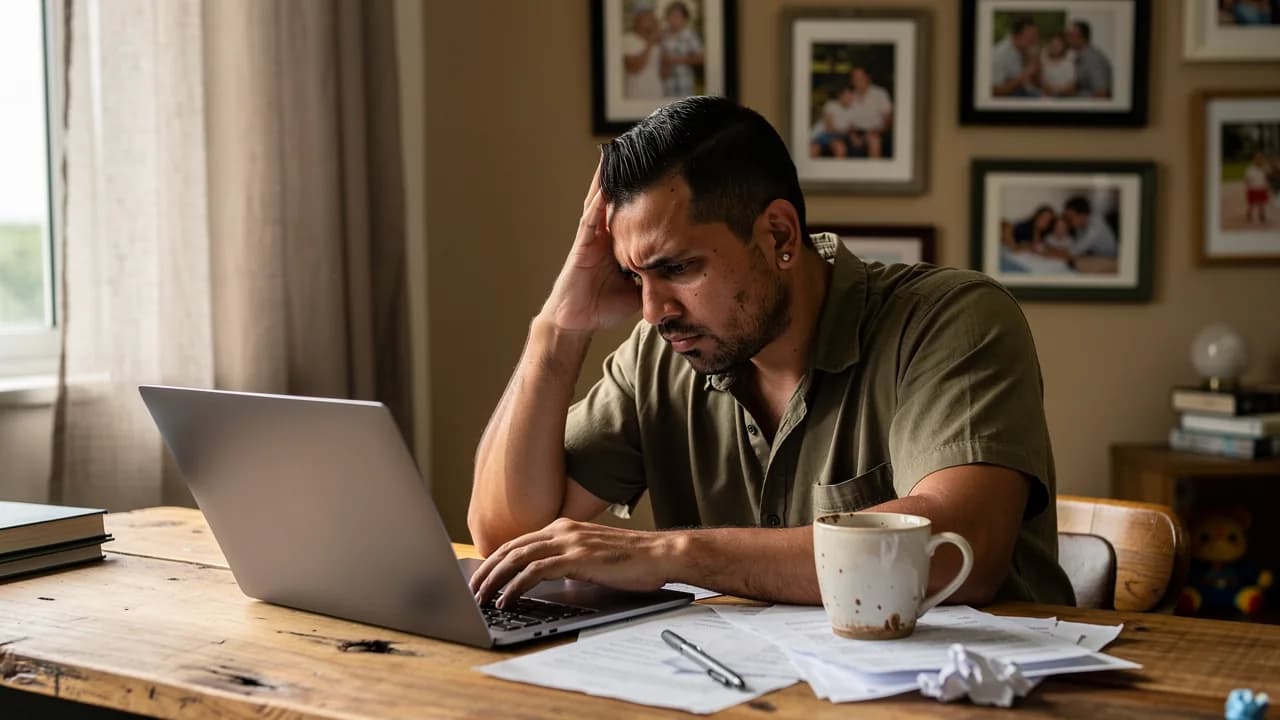
Carlos has been saving for three years in New York. Each month he sets aside $800 from his salary thinking about buying an apartment in Santiago for his mother. He has $35,000 in his account, but every time he thinks about making the transfer, he feels a knot in his stomach. It's not just the money: it's the feeling that once that money crosses the border, he'll lose control.
This anxiety is not irrational. It's also not unique to Carlos. Thousands of Dominicans abroad face the same dilemma when they decide to convert their savings into a real estate investment in the country. The tension stems from a concrete reality: they're sending money to an under-structured market, where the rules aren't always clear.
The Emotional Weight of Real Estate Remittances
Remittances aren't just numbers in a wire transfer. In the Dominican Republic, they support 4 out of every 10 households, and a growing portion goes toward buying land, construction, or home acquisition. This turns each transfer into a decision loaded with family expectations, economic pressure, and constant fear of losing savings built after years of work.
Toca Timbre
Propiedades reales. Agentes verificados. Tú decides sin miedo.
When Carlos thinks about his $35,000, he doesn't see just a number. He sees 43 months of waking up at 5:30 AM, working double shifts on weekends, not going to restaurants to save $20. He sees the promise he made to his mother that "this year" she'd have her own apartment. That's why the idea that something could go wrong isn't just a financial problem: it's personal failure.
A System That Feeds Uncertainty
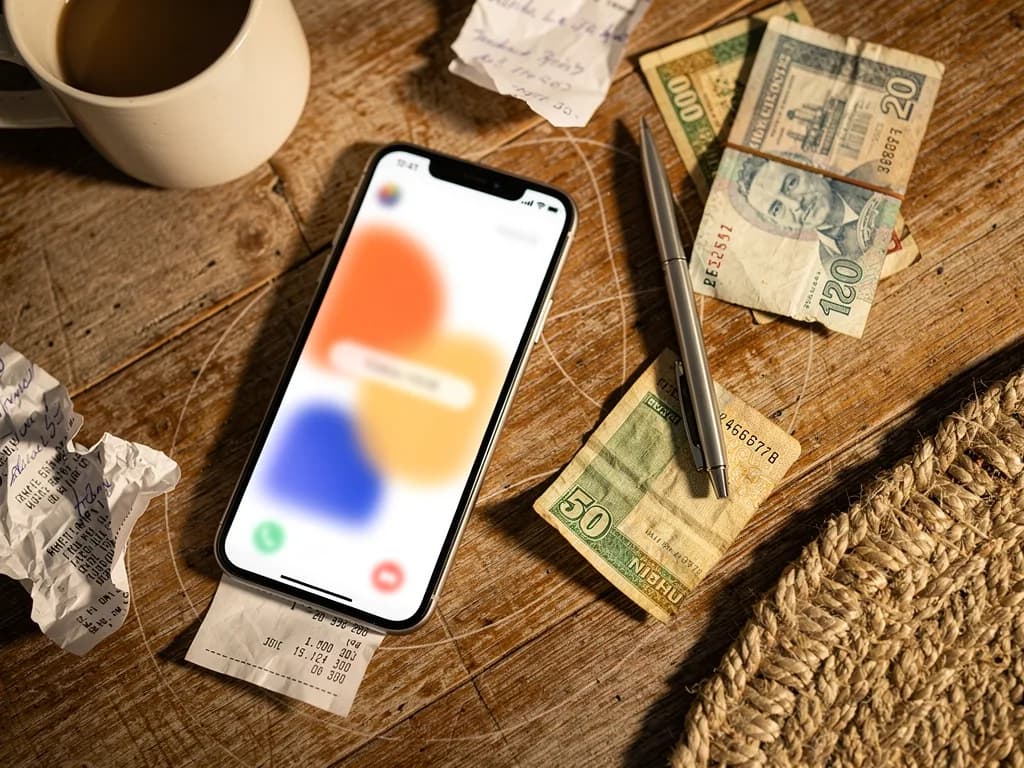
The anxiety intensifies because the process of sending and using remittances for real estate remains largely informal. Most households still withdraw their remittances in cash at the window, which opens space for errors, informality, and a chain of intermediaries with no clear traceability.
In the real estate context, this translates to:
- Handshake deals: Many negotiations close without formal contracts or incomplete documentation
- Cash payments: Large sums handled without bank receipts backing the transaction
- Unlicensed intermediaries: People who "know the market" but have no formal registration or legal responsibility
- Lack of documentation: Operations that don't generate the supporting paperwork needed to justify the origin and destination of funds
The Threat of Regulatory Changes
Furthermore, Dominicans abroad face the uncertainty of proposed remittance tax proposals from the United States. Discussions about levies of 1% or 5% have generated concern among migrants who fear seeing reduced amounts available for their investments. Although these taxes don't always affect formal bank transfers, the simple fact that rules might change creates a sense of instability.
The Specific Fear: Three Concrete Worries
For someone living abroad who wants to buy a property in the Dominican Republic, anxiety concentrates on three specific fears:
- Losing the money in the transfer: Due to an error, fraud, or technical issue in the transfer
- The real estate transaction not being formalized: And losing your right to the property due to deficient documentation
- Problems with tax authorities: Getting involved without knowing it in operations that draw attention due to lack of documentation
Carlos, for example, heard the story of a cousin who sent $28,000 for an apartment in La Vega. The money arrived fine, but the "agent" turned out not to have the property permits in order. Six months later, his cousin was still fighting to recover his investment.
How to Reduce Anxiety Without Eliminating Risk
The same reality that creates anxiety also shows the path to reduce it: structuring and verifying the process, without creating unrealistic expectations. Experts in finances for Dominicans abroad recommend clearly separating consumption remittances (money for family support) from transfers destined for investment.
A More Structured Approach Includes:
- Bank-to-bank transfers: Avoiding informal intermediaries and using regulated channels
- Previous documentation: Gathering clear evidence of the money's source before transfer
- Correct statement of purpose: Specifying that it's a real estate investment
- Local bank account: Opening a dollar account in the Dominican Republic to receive the funds
- Data verification: Meticulously checking the recipient's information before confirming
The Importance of First Contact
A critical factor many buyers underestimate is how where you start looking determines everything that follows. A random WhatsApp contact can respond quickly and send attractive photos, but if they can't demonstrate certification, registration, or verifiable references, the level of uncertainty increases from the first moment.
The difference between any agent and a verified one isn't just friendliness: it's traceability and accountability. When the professional is identified and can be tracked, accountability to the client increases. That structure conveys order and reduces the anxiety typical of a major property purchase.
A Necessary Reflection
The anxiety of sending money from abroad to buy properties in the Dominican Republic isn't irrational. It stems from real experiences of disorder, lack of information, and constant changes in the rules of the game. However, instead of being paralyzed by fear or being swayed by promises that sound too good to be true, the buyer can adopt a more strategic mindset.
Risk never disappears completely, but it can be managed and reduced. The key is understanding that calm doesn't come from "blindly trusting," but from being able to verify each step of the process. When Carlos finally decides to make that transfer, it won't be because someone guaranteed him a perfect outcome, but because he'll have built a verifiable process that gives him control over his decision.
In a real estate market that still has spaces of informality, whoever offers a clearly documented and explainable process can reduce the client's fear without promising guarantees that don't exist. It's about showing there's a safer and more transparent path for converting remittances into real estate investment.
If you're exploring home purchase options in the Dominican Republic from abroad, consider that where you start your search influences the entire process that follows. Toca Timbre is an app where you can explore properties published by agents and contact them directly on WhatsApp to start more structured conversations. You can explore available options at Toca Timbre.
Frequently Asked Questions
Is it safe to send money from the United States to buy properties in the Dominican Republic?
Sending money for real estate investments involves risks that can be managed but not eliminated completely. Safety depends on using regulated banking channels, documenting the transaction correctly, and working with verified professionals. The main risk isn't the transfer itself, but the lack of structure in the purchase process.
What documents do I need before sending money for a property?
Before transfer, you should have bank statements showing the money's accumulation, income statements, clear identification of the property and seller, and preferably a purchase promise contract reviewed by a lawyer. This documentation facilitates due diligence and reduces operational risks.
How can I verify that a real estate agent is trustworthy?
A verified agent should be able to show AEI certification (Real Estate Businesses Association), active RNC, physical office, and verifiable references. The key difference is traceability: being able to identify who they are, where they work, and how to contact them through formal channels, not just on personal WhatsApp.
Sources
- Remittances support 4 out of 10 households in DR, but majority still withdraw cash at the window
- 7 mistakes when sending money to the Dominican Republic
- Warn of effects of possible 1% tax on remittances from the U.S.
- Money transfer scams: how to recognize and avoid them
- Dominican Republic and its deficient cross-border cash control
- Importance of a real estate agent in the Dominican Republic
- How to identify if a real estate agent is trustworthy