Why a Cheap Price Isn't Always a Good Buy in the DR
24 de julio de 2026 · 5 min min read
Discover the difference between cheap price and good buy when looking for property in the Dominican Republic. Guide for first-time buyers.
Why a Cheap Price Isn't Always a Good Buy in the Dominican Republic
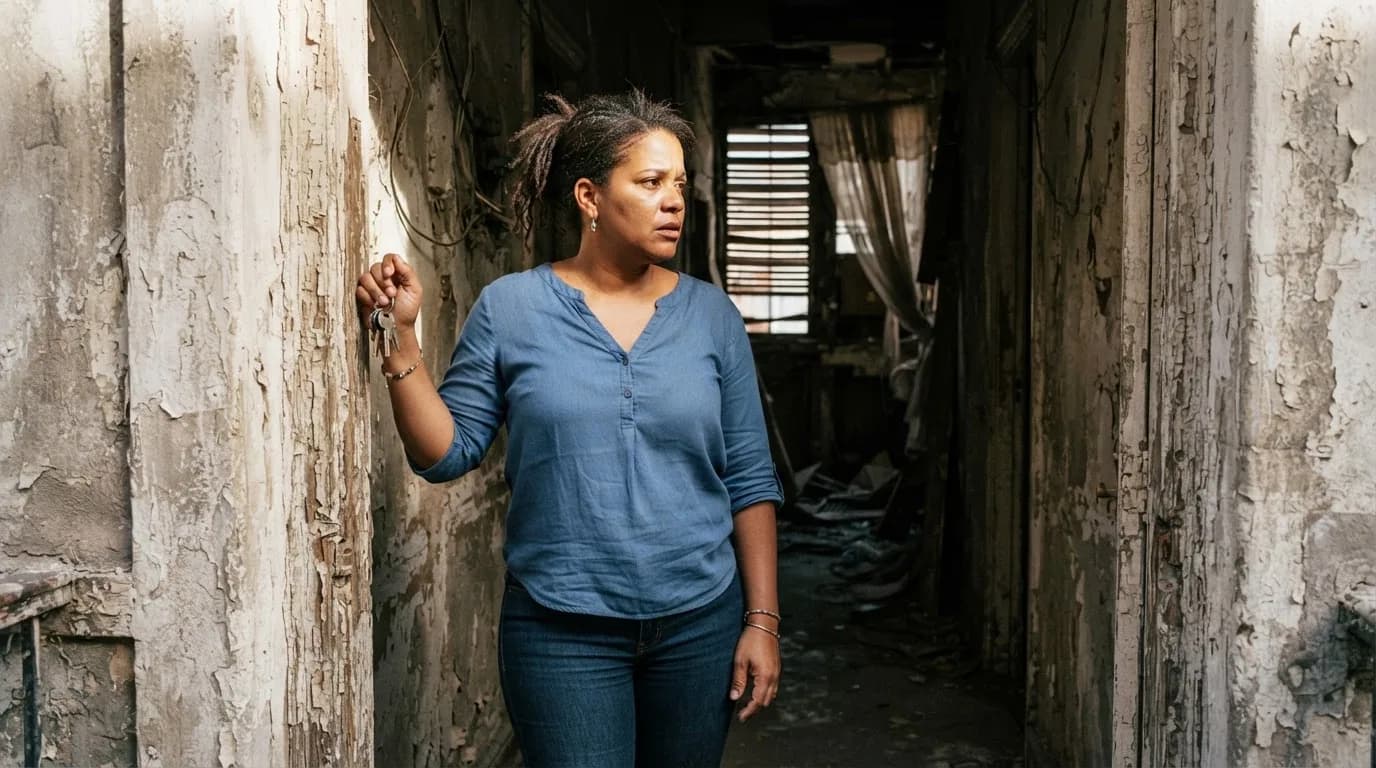
When María saw the Santiago apartment for RD$2.8 million, her first reaction was relief. After weeks comparing prices over RD$4 million, she'd finally found something that fit her budget. But three weeks later, she discovered the title had a lien, the area had no guaranteed water access, and the building needed structural repairs costing another RD$800,000.
This situation reflects one of the most common mistakes in the home buying process in the Dominican Republic: confusing cheap price with good investment. In a market where information isn't always transparent, the number in the ad might be just the tip of the iceberg.
The Difference Between Cheap and Convenient
In the Dominican real estate market, an attractive price can hide several scenarios. Sometimes it reflects valid reasons: a new developer seeking market positioning, a motivated seller needing quick sale, or a developing area with early potential. But other times, that price reflects problems not visible in the initial listing.
Toca Timbre
Propiedades reales. Agentes verificados. Tú decides sin miedo.
Real estate specialists agree that comparing numbers alone is insufficient. A below-market property might signal unclear titles, questionable construction quality, or locations with service limitations or safety concerns. The home buying process requires evaluating the complete context, not just the amount.
According to Dominican market data, rental prices have increased approximately 17% over the past five years. In Greater Santo Domingo, a one-bedroom apartment in demanded areas ranges between RD$42,000 and RD$62,000 monthly, while two-bedroom apartments cost between RD$56,000 and RD$90,000.
What the Advertisement Price Doesn't Show
 When evaluating property in the Dominican Republic, the advertised price doesn't include several critical elements:
Legal and Administrative Costs: Closing expenses, transfer, taxes, and title verification can add 3% to 8% of purchase value. A "cheap" property requiring complex legal processes might end up costing more than one with clear documentation.
Actual Physical Condition: An attractive-priced apartment might need immediate investment in repairs, electrical, plumbing, or finishes. These costs aren't always obvious during a quick visit.
Future Profitability: Price alone doesn't indicate if the property will generate rental demand, hold value, or appreciate over time. An apparently economical investment in a zone without development projection might result in losses long-term.
Maintenance Costs: Older buildings or developments with extensive amenities might have high maintenance fees affecting net profitability.
How to Evaluate Real Value
To determine if a price represents a genuine opportunity, experts recommend several specific steps:
Compare with Recent Sales: Review similar properties that sold recently in the same area, not ones listed for months or years. Properties with excessive listing time are usually poorly valued.
Verify Appreciation Potential: Investigate whether infrastructure projects, new roads, shopping centers, or developments might boost the zone's value in coming years.
Calculate Net Profitability: If buying for investment, consider not just entry price but also maintenance costs, taxes, insurance, vacancy averages, and rental management fees.
Validate Documentation: Confirm the title is clear, the seller has authority to sell, and the property complies with building permits and land-use regulations.
The Moment of Clarity: When Numbers Talk
For María, that moment came when her brother showed her a mortgage calculator. "Look at this," he said, "in five years of renting you'll pay almost what you would in payments, but you'd have nothing at the end. And every year it costs more."
This reality doesn't mean buying is automatically right for everyone. The correct decision depends on your specific situation, but it does mean renting has a real and growing cost that many don't calculate.
When Each Option Makes Sense
Buying might be best if:
- Your mortgage payment is similar to or less than current rent
- You plan to stay in the same area more than 3-4 years
- You have job stability and emergency savings
- You want protection from future rent increases
Continuing to rent might be better if:
- You need flexibility to move soon
- You haven't saved down payment without compromising stability
- You work in an unstable sector
- Your area's market clearly favors renting
The Critical Role of Professional First Contact
This is where initial search choices make all the difference. When you start with verified real estate agents and platforms filtering information, you significantly reduce the risk of encountering "miracle offers" hiding problems.
A professional agent doesn't just present options: they help you understand what each price means within market context. They can identify when a low price is a genuine opportunity and when it's a red flag requiring deeper investigation.
Moreover, starting with verified professionals gives you access to more complete information: developer history, previous buyer references, comparative market analysis, and zone trend guidance.
Frequently Asked Questions
How do I know if a low price is a real opportunity or a trap?
A real opportunity usually comes with clear documentation, identifiable sellers, and logical price reasons (zone in development, motivated seller, new developer). A trap typically involves pressure to decide quickly, incomplete documentation, or sellers avoiding questions about titles and permits.
What percentage should I reserve for additional expenses?
In the Dominican Republic, it's wise to reserve 5% to 10% of purchase price for legal expenses, transfer, inspections, and possible immediate repairs. For very-low-priced properties, this percentage might be higher if structural or legal issues exist.
Is it normal for a property to cost significantly less than similar ones?
Differences of 10% to 15% can be normal due to specific location factors, maintenance state, or seller motivation. Differences above 20% usually indicate special factors requiring investigation: legal problems, location constraints, or physical condition not evident in photos.
An Informed Decision, Not Just Economic
Buying property in the Dominican Republic isn't about finding the lowest price—it's about finding the best relationship between price, quality, location, legal security, and future potential. The Dominican real estate market offers real opportunities, but requires judgment to distinguish between genuine bargains and problems dressed as offers.
The key is understanding that price is just the starting point of evaluation, not the conclusion. A smart purchase considers the complete picture: from total costs to expected profitability, from construction quality to zone prospects.
If you're beginning your property search in the Dominican Republic, consider exploring options through platforms connecting you with verified agents from the start. Toca Timbre is an app where you can see properties listed by agents and contact them directly via WhatsApp for detailed information about each option. This lets you begin your process with greater clarity about what each price truly means in Dominican market context. Toca Timbre
Sources
- Common mistakes searching for a house or apartment online and how to avoid them
- Difference between cheap price and good buy
- Top 5 common mistakes investing in properties in the Dominican Republic
- Cheap is expensive: analyze the real value of property before buying
- Invest in DR without mistakes: essential guide
- Myths about real estate prices in DR
- How to identify profitable property in DR