Why Buildings Are Banning Airbnb in the Dominican Republic
28 de septiembre de 2026 · 5 min min read
Find out why many buildings in the DR are restricting vacation rentals and how to avoid buying a property you won't be able to rent the way you planned.
Why Some Buildings No Longer Allow Airbnb in the Dominican Republic
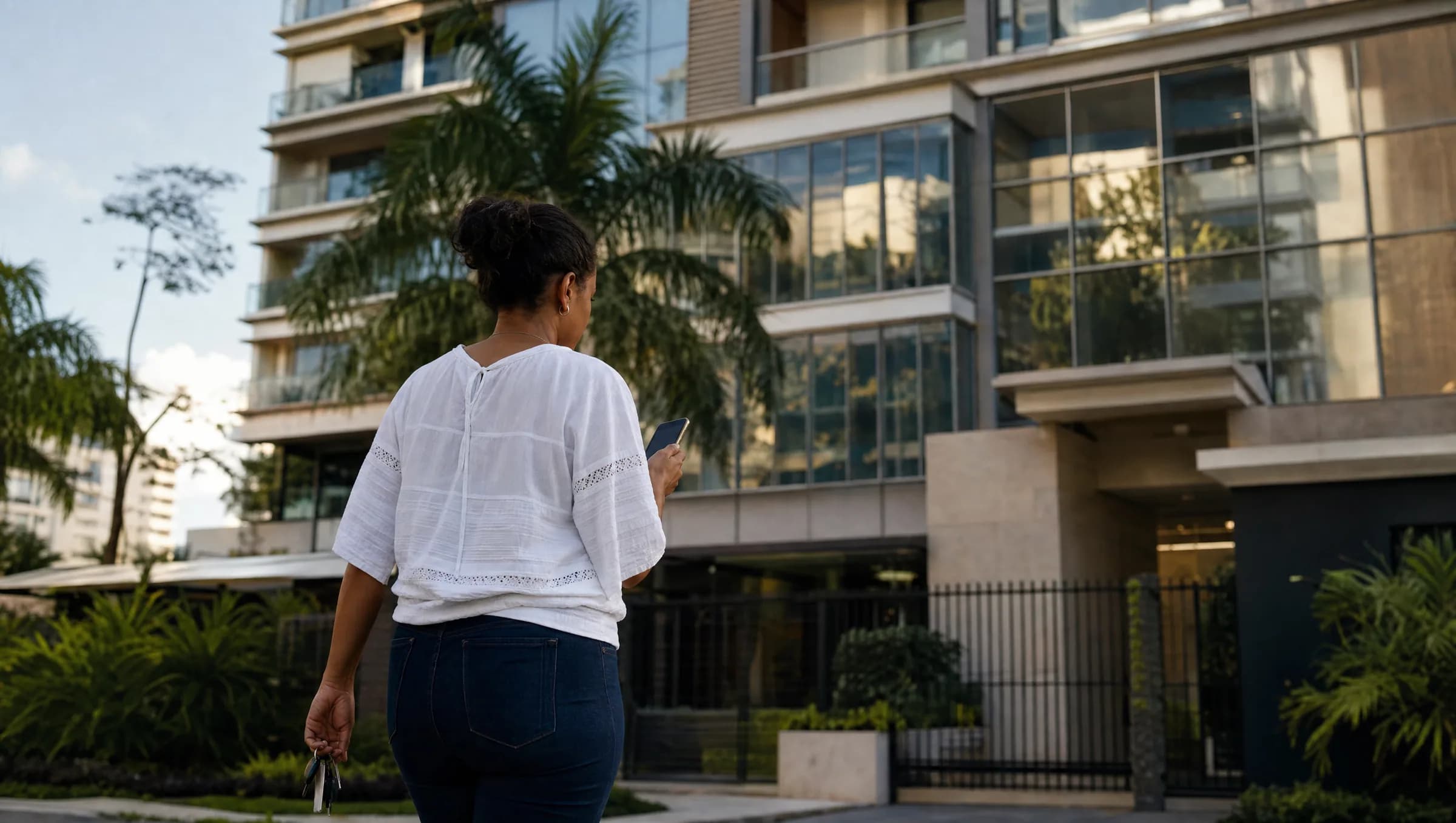
Marta had done all the math. Her apartment in Torre del Mar would bring in $80 a night on Airbnb, with 60% annual occupancy. The numbers looked solid until she got a letter from the building administrator: "Short-term vacation rentals are expressly prohibited." Her dream investment in vacation rental income turned into a residential property she hadn't planned to live in.
This situation is happening more and more in the Dominican real estate market. Many people buy thinking they'll be able to operate vacation rentals without investigating the actual restrictions of the building, municipality, or developing regulations.
The Legal Framework for Vacation Rentals in the Dominican Republic
There's no single law banning Airbnb nationwide. The legal basis remains Law 5038 on Condominiums, which allows owners to use their units as long as they don't affect the safety, morality, or peace of other residents, and the use aligns with the condominium's internal rules.
Toca Timbre
Propiedades reales. Agentes verificados. Tú decides sin miedo.
This means each building can, through its internal regulations approved by the owners' assembly, allow, regulate, or prohibit short-term rentals. In practice, you'll find condominiums that expressly ban stays shorter than a certain number of days, others that only require guest registration, and some that haven't yet regulated short-term rentals.
The Ministry of Tourism has pushed regulatory proposals that include mandatory registration of vacation rental properties, operating licenses, safety standards similar to hotel requirements, and the possibility of inspections. Although this regulation is still under public consultation, the message is clear: vacation rentals are trending toward being treated as a regulated commercial activity.
Why Building Regulations Are Getting Stricter
 The lack of specific regulation has led to the issue being managed through condominium regulations and decisions made by real estate developments. Many buildings have added restrictions because of:
Cohabitation problems: A constant flow of tourists creates noise, intensive use of common areas, and conflicts with permanent residents seeking peace and quiet.
Security: Frequent access by strangers makes controlling who comes and goes difficult, especially in buildings without 24-hour front desk coverage.
Wear and tear on facilities: Higher user turnover speeds up deterioration of elevators, pools, and recreational areas, increasing maintenance costs.
Pressure from residents: Owners living in their units push to limit vacation use and maintain the residential character of the building.
In Santo Domingo and other dense urban centers, some regulations have tightened to limit the number of units available for short-term rent or restrict it to certain towers. In tourist zones, while there's more tolerance, municipalities are pushing for units to meet registration and tax requirements.
Types of Buildings in Today's Market
The market is splitting into two categories:
Strictly residential buildings: They ban or severely limit vacation rentals. They favor peace and community stability, but they eliminate the potential for short-term rental income. For buyers looking for a home, this reduces uncertainty about the environment.
Tourist-friendly buildings: They allow or encourage short-term rentals, with potential for higher returns but also higher guest turnover and regulatory compliance demands. More attractive to investors, but can create instability for those seeking to live there.
Some new projects market themselves explicitly under one model or the other, but many existing buildings are in transition, changing their regulations based on internal and external pressures.
The Common Mistake Buyers Like Marta Make
Marta represents a frequent pattern: buying based on rental income projections without verifying legal and regulatory viability. The mistake isn't wanting to invest in vacation rentals—it's assuming any property can be used for this purpose.
The condominium's internal regulations are the key piece that defines whether vacation rental use is allowed, limited, or prohibited. This document, which many buyers don't read thoroughly, establishes the rules of cohabitation and use that can completely change your business model.
Besides, the sales narrative usually focuses on rental income potential and projected occupancy, but rarely explains Ministry of Tourism requirements, tax obligations to the DGII, or municipal restrictions that could affect your operations.
How to Avoid Unpleasant Surprises
Before buying with the intention of vacation rental:
-
Request and read the complete condominium regulations, checking for mentions of short-term rentals, Airbnb, or vacation use.
-
Ask about upcoming changes that might ban or limit short-term rentals in the future.
-
Confirm eligibility for a tourist license from the Ministry of Tourism and verify technical safety requirements.
-
Consider tax obligations: business registration, VAT, accounting, and compliance costs.
-
Evaluate the municipal context where the project is located and potential changes to land-use planning.
For buyers primarily seeking a home, verifying short-term rental restrictions can actually be an advantage: it guarantees a more residential and predictable environment.
The Future of Regulation
The trend points toward greater formalization of short-term rentals: mandatory registration with Mitur, operating licenses, and alignment with condominium regulations. This doesn't mean all buildings will ban Airbnb, but there will be clearer differentiation between tourist-oriented and strictly residential projects.
The key to making decisions without stress is identifying your intended use, verifying current rules, and considering possible regulatory changes. With this information, you can choose a building that aligns with your profile: residential peace or vacation rental investment potential with its respective obligations.
The problem isn't that restrictions exist—it's buying without knowing them. A more regulated and transparent market benefits both investors and residents, as long as the rules are known from the start of the process.
If you're evaluating purchase options, consider exploring the market with greater clarity about these restrictions. Toca Timbre is an app where you can see properties posted by agents and contact them directly via WhatsApp to ask the right questions from your first interaction. Explore options at Toca Timbre
Frequently Asked Questions
Can a condominium completely ban Airbnb?
Yes, according to Law 5038 on Condominiums, each building can establish restrictions on how units are used through its internal regulations, including banning short-term rentals. This decision is made at an owners' assembly and is binding on all co-owners.
What happens if I buy in a building that later bans Airbnb?
If the regulation change is approved at an assembly following established procedures, you must comply. That's why it's important to review not just current rules, but also the procedures for amending regulations and whether there are ongoing discussions about short-term rental restrictions.
Do I need a Ministry of Tourism license for vacation rentals?
The Ministry of Tourism's regulatory proposals include mandatory registration and operating licenses for short-term rentals. Although the final regulation is still under public consultation, it's likely these permits will be required, in addition to meeting tax obligations to the DGII.
Sources
- Airbnb against the wall in DR: must comply with regulations
- Short-term rentals in Santo Domingo condominiums
- Is Airbnb legal in Dominican Republic condominiums
- Airbnb and short-term rentals in condominiums can be prohibited
- Airbnb not allowed: warning on properties
- Legal aspects to know when renting short-term in the Dominican Republic