Why buying from abroad in the DR creates real anxiety
19 de julio de 2026 · 5 min min read
Buying property in the Dominican Republic from another country is legal, but distance and sending money create real fears that are managed with information.
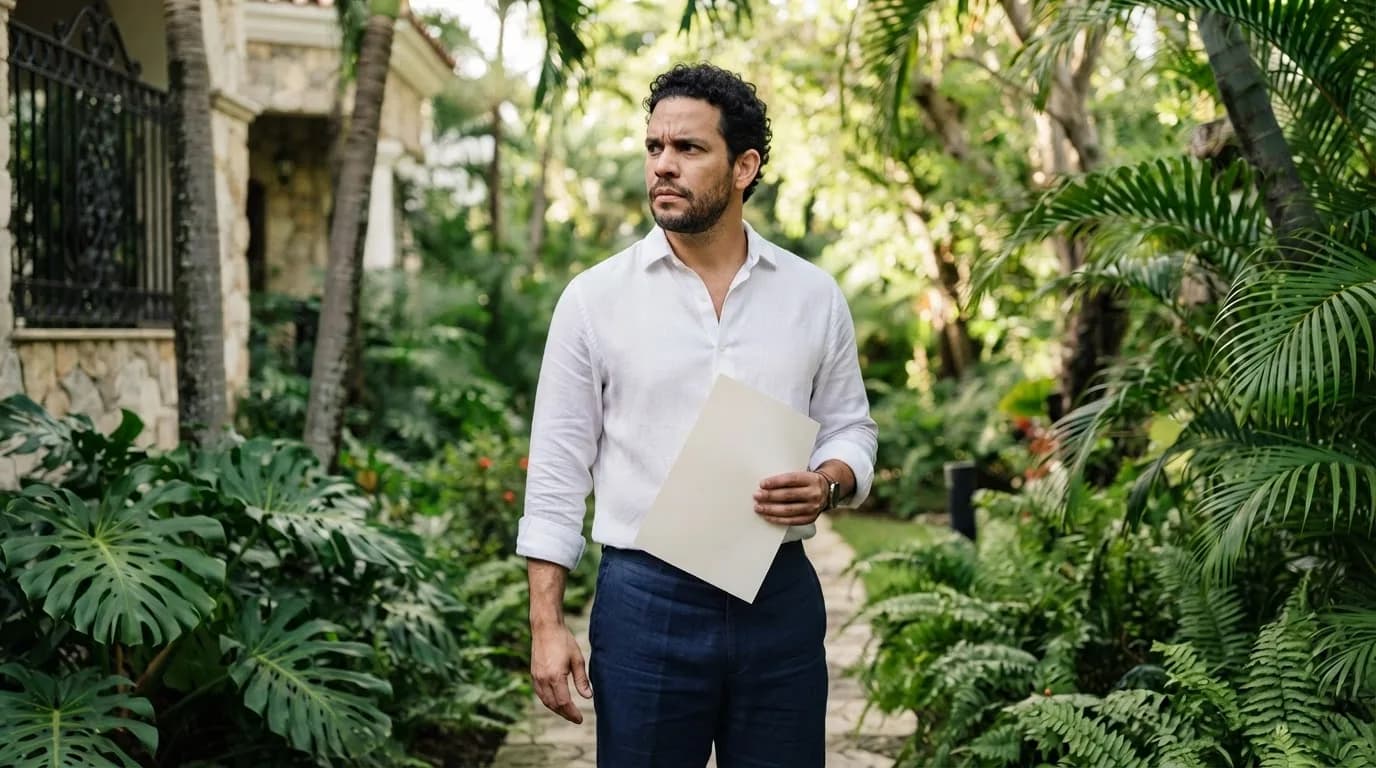
Why buying from abroad in the DR creates real anxiety
Miguel lives in Miami and has been looking at properties in Santo Domingo online for three months. Every time he finds something he likes, the same thought stops him: "How am I going to send $80,000 to a country where I don't know anyone?" This anxiety isn't irrational. It's the natural response of someone who must make an important financial decision thousands of miles away.
The common belief is that buying from abroad is legally complicated or that special restrictions exist. In reality, the Dominican legal framework is quite open for foreigners. The real problem isn't in the laws, but in managing fear and the market's disorganized information.
The legal framework isn't the main obstacle
As a foreigner, Miguel has practically the same property rights as a Dominican citizen. He can buy land, apartments, villas, and commercial spaces without needing prior residency, mandatory local partners, or special visas for purchase. This legal openness is backed by the Constitution and Dominican legislation.
Toca Timbre
Propiedades reales. Agentes verificados. Tú decides sin miedo.
However, having the right to buy doesn't eliminate the risk of bad practices, defective titles, or occasional scams. Dominican banks apply anti-money laundering rules that require the buyer to demonstrate legitimate fund origin, with employment letters, account statements from recent months, and tax returns. While some see this as bureaucratic, these filters help organize the process and reduce suspicious dealings.
The moment of fear: "Who do I send my money to?"

Miguel's anxiety focuses on the moment of transfer. He's been saving for years for this purchase and the idea of sending a significant sum to accounts he doesn't know keeps him awake. This concern is valid and intensifies when he lacks clarity about who he's dealing with.
Serious portals and agencies insist that the foreign buyer must relate only with verified agents and independent real estate lawyers. A verified agent is usually affiliated with recognized sector associations, works under formal contracts, and has proven reputation from previous dealings.
For Miguel, this means not trusting informal recommendations without checking credentials, and routing every relevant conversation through these professionals, keeping a written record.
Real risks in the home buying process
The main risk isn't so much that the property can't be legally purchased, but falling into the hands of unvetted people, unlicensed developers, or processes without legal review. The most common dangers include:
- Unclear titles or registration problems
- Hidden liens or undisclosed attachments
- Projects without municipal permits or approved land use
- Developers operating without trust accounts or formal structures
- Personal accounts masquerading as corporate
All this can be mitigated by asking your lawyer to review the title, verify it matches the property, detect mortgages or judicial notes, and validate that the developer operates under formal structure when dealing with new projects.
Controlling conversation and money traceability
To reduce anxiety, Miguel needs to maintain control of two key aspects: who he talks to and where he sends his money.
Controlling the conversation means deciding from the start who your official contacts will be (verified agent and lawyer) and not spreading yourself across chats with third parties appearing on social media or informal groups. It's recommended to centralize decisions in two formal channels: the agency's corporate email and the law firm's communication.
Money traceability is achieved by making transfers only to verified corporate accounts, never to personal accounts of supposed intermediaries. Before sending funds, Miguel should have a purchase promise contract reviewed by his lawyer, detailing the amount, return conditions, timelines, and construction or delivery milestones.
The role of real estate trusts
Real estate trusts function as an additional protection tool, because the property or project remains under the administration of a regulated entity, with clear rules for investor protection.
There's a myth that foreigners can only buy through trust accounts, but updated legal sources clarify that the foreigner can be a direct owner, and that the trust is an additional protection option, not an absolute requirement. If Miguel chooses a project in trust, he should receive a copy of the trust contract and confirmation of its registration.
Concrete steps to reduce anxiety
Anxiety about buying from a distance reduces when Miguel integrates concrete steps into his process:
- View the property in scheduled video calls
- Request complete plans and urban documentation
- Verify builder track record (previous works, permits)
- Demand that every offer be documented in writing
- Confirm banking details directly with the financial institution
By combining this due diligence approach with the conscious choice to relate only with verified real estate agents and specialized lawyers, Miguel not only lowers the real fraud risk, but also gains sense of control over the process.
The importance of starting the process right
Miguel's experience improves significantly when he starts searching in places where information is organized and contacts are verified. Where you start your search determines everything that follows: the type of agents you connect with, the quality of information you receive, and the professionalism level of the process.
When initial contact with a real estate agent is made through structured channels, Miguel has more context before picking up the phone, letting him ask more specific questions and better evaluate the professional's response.
If you're considering buying property in the Dominican Republic from abroad, you can explore the market with greater clarity using Toca Timbre, an app where buyers can see properties posted by agents and contact directly via WhatsApp. This lets you have a more organized view before making important decisions: Toca Timbre
Frequently asked questions
Can foreigners buy properties in the Dominican Republic without restrictions?
Yes, foreigners have practically the same property rights as Dominican citizens. They can buy land, apartments, villas, and commercial spaces without needing prior residency, local partners, or special visas. This openness is backed by the Dominican Constitution.
What documents do I need to prove my funds come from legitimate sources?
Dominican banks require employment letters, bank statements from recent months, and tax returns from recent years to comply with anti-money laundering regulations. While seeming bureaucratic, these requirements help organize the process and reduce suspicious transactions.
Is it mandatory to use a trust account to buy as a foreigner?
No. The foreigner can be a direct owner without needing a trust account. The real estate trust is an additional protection option, especially useful in new projects, but not a legal requirement for foreign buyers.
Sources
- Buying a house in the Dominican Republic: Guide for expatriates
- Can a foreigner buy properties in the Dominican Republic?
- Can foreigners buy properties in the Dominican Republic?
- Foreigners buying property in Dominican Republic
- Buying Property in Dominican Republic for Foreigners
- How to buy a house in the Dominican Republic