Why Buying an Apartment in the Dominican Republic Requires Verification
15 de octubre de 2026 · 5 min min read
Buying an apartment in the Dominican Republic from abroad carries real risks. Discover the most common mistakes and how to avoid scams through verification.
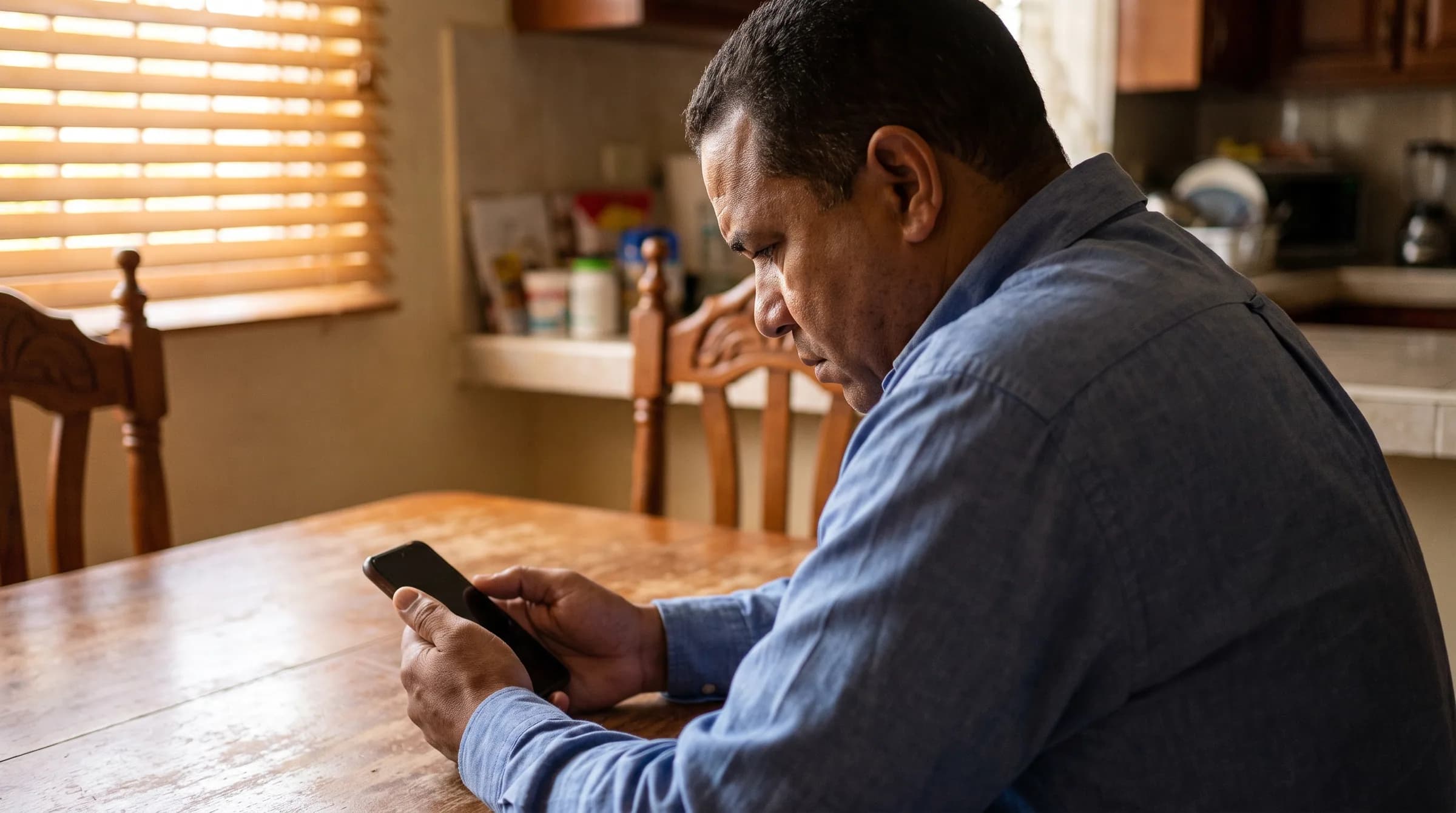
Getting a WhatsApp message with photos of a "perfect" apartment in the Dominican Republic can be exciting, especially when you live abroad and dream of having your own space on the island. But behind that initial excitement lies a reality that many Dominicans have discovered the hard way: buying an apartment in the Dominican Republic without verifying the seller can turn into a devastating financial loss.
The problem isn't that Dominicans abroad are naive. The problem is that the Dominican real estate system operates with a mix of informality and modernity that can confuse even experienced buyers. When you're thousands of miles away, distinguishing between a real opportunity and a sophisticated scam becomes even more complex.
The mistake almost everyone makes: trusting without verifying
The common belief is that "if I know the person" or "if someone I trust recommended them," the transaction will be safe. This logic, which works for small purchases, becomes dangerous when we're talking about apartments that cost between US$50,000 and US$200,000.
Toca Timbre
Verified properties, certified agents. You just decide.
María, a Dominican living in New York, describes her experience: "My cousin sent me photos of an apartment in Santiago for US$75,000. The 'agent' talked to me every day, sent me videos of the construction, even showed me the land over video call. I sent US$15,000 as a down payment and later discovered the project had no permits and the land belonged to someone else".
This case illustrates a pattern that repeats constantly: constant emotional contact does not equal professional credibility. Scammers have learned to use nostalgia and cultural trust as tools of persuasion.
How real estate scams targeting the diaspora work
 The most common tactics include:
Multiple sales of the same apartment: A promoter sells the same unit to several buyers, especially those who live abroad and cannot physically verify the property's condition.
Ghost projects: Developments are promoted that will never be built because they lack financing, permits, or even actual land.
Agent impersonation: People without licenses impersonate representatives of legitimate construction companies, using stolen promotional materials.
False or nonexistent titles: Documents are presented that look official but are not registered with the corresponding institutions.
Geographic distance facilitates these schemes because the buyer cannot drop by the promoter's office without notice, physically verify the construction status, or demand face-to-face explanations when something doesn't add up.
The difference between contacting and verifying
Contacting a seller is easy: anyone can create an attractive social media profile and respond to messages. Verifying requires a more structured process:
Identity verification: Confirming the person is who they claim to be, with ID, professional registration, and demonstrable links to established companies.
Project verification: Confirming the development has building permits, clear titles, and real financing.
Track record verification: Reviewing previous transactions, testimonials from other buyers, and verifiable physical presence.
This verification process isn't paranoia; it's the difference between a protected investment and a money transfer with no backing.
Why the place where you start looking matters
When you start your search on informal platforms (Facebook groups, WhatsApp contacts, unfiltered recommendations), you're entering through the door where both legitimate professionals and sophisticated scammers operate. Without a prior verification system, your only protection is your instinct and personal experience.
On the other hand, when you start on platforms that require agent verification, the odds shift significantly. You don't eliminate all risks, but you dramatically reduce the possibility of falling into the hands of someone who will disappear after receiving your money.
The correct process for buying from abroad
The sequence recommended by experts includes:
- Search on platforms with verified agents before considering informal contacts
- Request complete documentation of the project and the agent
- Involve a Dominican lawyer to review contracts and titles
- Arrange bank transfers directly to the construction company or escrow, never to personal accounts
- Keep documented communication at every step of the process
Each of these steps adds a layer of protection that scammers prefer to avoid.
The emotional cost of rushed decisions
Beyond the money lost, Dominicans who have been scammed describe a mix of shame, frustration, and distrust that affects long-term family plans. "It wasn't just my money," explains Roberto, a victim of a scam in Punta Cana. "It was the money so my kids could experience the Dominican Republic, so we'd have a place to spend Christmas. Losing that hurts more than the US$30,000".
This emotional dimension explains why some buyers make quick decisions: the fear of "missing the opportunity" can be stronger than financial caution. Scammers deliberately exploit this anxiety.
Verification as a first filter, not as total guarantee
It's important to understand that verifying agents and projects doesn't eliminate all real estate investment risks. Markets change, projects can be delayed, and investment decisions always carry uncertainty.
But verification does eliminate the most basic and devastating risks: falling into the hands of people who never intended to deliver a real property. It's the difference between taking calculated market risks and handing your money over to strangers.
If you're considering buying an apartment in the Dominican Republic from abroad, starting with verification will allow you to explore the market with greater peace of mind. Toca Timbre is an app where you can see properties listed by agents who have gone through a verification process and contact them directly via WhatsApp when you find something you're interested in. Toca Timbre.
Frequently asked questions
How can I verify if a real estate agent is legitimate in the Dominican Republic?
You can request their professional registration number and verify it with the Real Estate Companies Association (AEI). A legitimate agent should be able to provide verifiable credentials, have demonstrable physical presence in an established office, and show a history of completed transactions. You can also search for references from other clients and confirm they're associated with recognized industry platforms.
What documents should I demand before sending money to buy an apartment?
Before any payment, request the property title, current building permits, approved architectural plans, information about the escrow (if applicable), and the purchase promise contract. All these documents should be reviewed by an independent Dominican lawyer. Never send money based solely on photos, videos, or verbal promises.
Is it safe to buy apartments in projects that haven't been built yet?
Buying off-plan can be safe if the project meets all legal requirements: land with clear title, current permits, developer with verified track record, and established escrow to protect buyers' funds. However, it always carries more risk than buying a finished property, so it requires greater diligence in verifying all aspects of the project.
Sources
- Real estate scams, Dominicans abroad, and justice
- Venezuelan woman who led real estate fraud network in Dominican Republic arrested
- New York's Attorney General warns about scams in the Dominican Republic
- Dominicans in New York report apartment scam in the Dominican Republic
- The keys nobody explains before buying real estate in DR from abroad
- Efforts to prevent real estate scams targeting Dominicans abroad
- NY Consul reports real estate scam
- Local authorities alert Dominicans in NY about real estate fraud in Dominican Republic