Construction Projects That Never Advance and Suspicious Offers: What to Look For First
22 de junio de 2026 · 5 min min read
Learn to identify problematic real estate projects in the DR. Red flags, suspicious offers, and how to protect your investment from the start.
Construction Projects That Never Advance and Suspicious Offers: What to Look For Before Committing
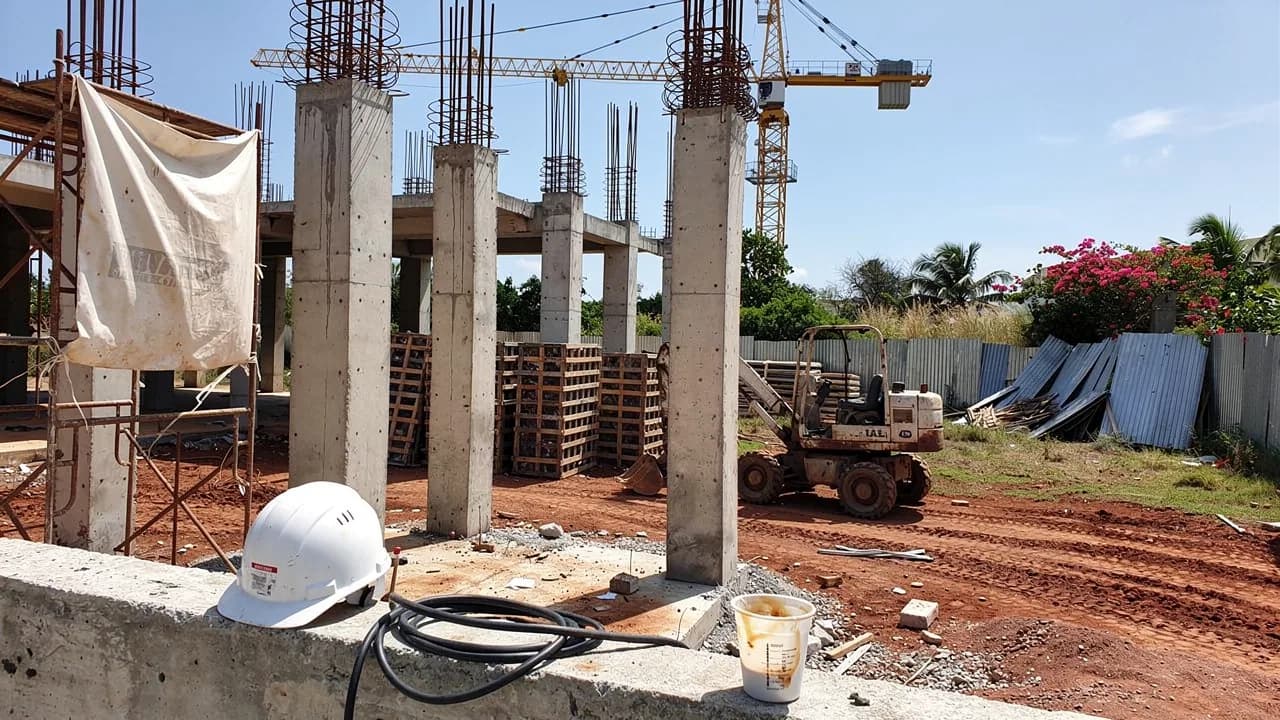
Carla has been passing the same construction project for six months on her way to work. The rebar remains in the same place, the workers disappeared long ago, and the "coming soon" sign seems to have become permanent decoration. Meanwhile, her WhatsApp fills with offers "you can't refuse": apartments with 50% discounts, down payments of just RD$50,000, and payment plans that seem too good to be real.
This combination of stalled construction and suspicious offers isn't coincidence in the Dominican real estate market. Both situations are usually connected and represent two of the most important warning signs every buyer should recognize before the first contact with any agent or developer.
The Reality Behind Construction Forever "Under Construction"
Common false belief: "If construction is slow, it's just because of government permits."
Toca Timbre
Propiedades reales. Agentes verificados. Tú decides sin miedo.
Prolonged delays are almost always symptoms of deeper problems than simple bureaucratic red tape. The first factor is the lack of liquidity or poor financial planning by the developer. Many projects launch with insufficient capital, depending excessively on buyer payments to finance construction.
When sales slow down or banks tighten credit, construction stops and the cycle of broken promises begins. Local media have documented multiple cases of buyers complaining of "real estate ordeals" with repeated delays and constantly shifting delivery dates.
Concerning Signals vs. Justified Delays
Not every slow project means fraud. Government permit bureaucracy is a real obstacle in the Dominican Republic, where million-dollar investments have been documented as paralyzed due to permit approval backlogs.
The key difference is identifying structural paralysis due to lack of funds versus occasional justified delay:
Red flags:
- Minimal physical progress for several months
- Visible reduction in number of workers
- Generic excuses without showing permit documents
- Constant changes in delivery dates without a detailed recovery plan
- Absence of construction trust account or financial backing
Justified delays:
- Clear communication about project status
- Documentation of pending permits
- Updated schedules with recovery plan
- Gradual but steady progress
Offers That Seem Too Good: The Other Side of the Coin

In Santo Domingo, Punta Cana, and Santiago, campaigns abound promising exaggerated discounts or almost unreal payment terms. As Inmobiliario.do summarizes: "There's no Black Friday discounts in real estate here."
Usual discounts in the Dominican market move within moderate margins, linked to specific negotiations or remaining inventory, not 40-60% rebates as if it were permanent liquidation.
Why Do Suspicious Offers Appear?
Offers that seem too good typically respond to:
- Developer cash crunch: Urgent need for liquidity to continue construction or pay debts
- Stalled inventory: Poorly located projects or with real demand problems
- Legal or titling problems: Land with ownership conflicts or incomplete permits
- Projects without regulatory structure: Developers that avoid know-your-customer processes and fund validation
A Realistic Case: Connecting the Dots
Imagine Carla finds a 2-bedroom apartment in Santiago offered at RD$3.2 million, when the average price in the area is around RD$5.5 million. The down payment is just RD$80,000 and they promise delivery in 8 months.
When visiting the construction site, she notices the promotional photos are renderings, the actual construction shows little real progress, and the developer avoids questions about specific permits. This combination of artificially low price and stalled construction is exactly the warning sign that connects both problems.
How to Protect Yourself From Your Property Search
Before any contact with agents or developers:
- Compare prices: Check against listings on SuperCasas, Plusvalia, or MercadoLibre to verify real market ranges
- Research history: Search for previous projects by the developer and their reputation in media
- Visit active projects: Observe the actual level of activity, not just sales offices
- Demand documentation: Request land titles, permits, and detailed schedules
- Verify backing: Confirm the existence of trust accounts or construction insurance
The Importance of Where You Start Your Property Search
Where you begin your home purchase process in the Dominican Republic determines the quality of information you receive and therefore your ability to detect these warning signs in time. Searching through channels that prioritize transparency over sales urgency allows you to ask the right questions before committing money.
It's not about distrusting the entire market, but understanding that in a sector where serious developers coexist with problematic projects, initial clarity is your best protection. Construction that never advances and suspicious offers are part of the same ecosystem: projects that depend on capturing money quickly without the financial or legal solidity needed to fulfill promises.
The key insight is simple: in real estate, big discounts are almost never free, and eternally slow construction rarely accelerates by magic. Investigating before falling in love with the project isn't pessimism, it's financial prudence.
If you're starting your property search in the Dominican Republic, exploring the market with clear information from the start can make all the difference. Toca Timbre is an app where you can review properties published by verified agents and contact them directly via WhatsApp to ask the questions that really matter. Toca Timbre.
Frequently Asked Questions
How long is normal for a real estate project in the DR to be delayed?
Delays of 3-6 months due to permits or weather can be considered normal. Delays exceeding 8 months without visible physical progress or clear developer communication are a red flag. What's important is that there's steady progress and transparency about the causes of delay.
How do I verify if an offer with a big discount is legitimate?
Compare the offered price with at least 5 similar properties in the area using recognized real estate portals. Research the developer's track record, request project legal documentation, and verify that protection mechanisms like trust accounts exist. If the discount exceeds 30% without clear justification, increase caution.
What documents should I ask for before reserving a property under construction?
Demand to see the land title, current building permits, detailed construction schedule, trust account contract (if it exists), project financial statements, and references from buyers of previous projects by the developer. Also request monthly construction progress photos.
Sources
- The Mister Realty — Why real estate projects stop in the DR
- Ivelisse de la Cruz — Delays in real estate projects in the Dominican Republic
- El Dinero — Obstacles persist for real estate project development
- N Digital — Delays and broken promises in real estate projects
- Umbral — Alert in the real estate sector
- Inmobiliario.do — It's not luck, it's strategy