What Photos Never Show: The Truth About Floors and Walls in Dominican Properties
21 de junio de 2026 · 5 min min read
Property photos hide cracks, moisture, and uneven floors. Discover what to check in person when searching for housing in the Dominican Republic.
What Photos Never Show: The Truth About Floors and Walls in Dominican Properties
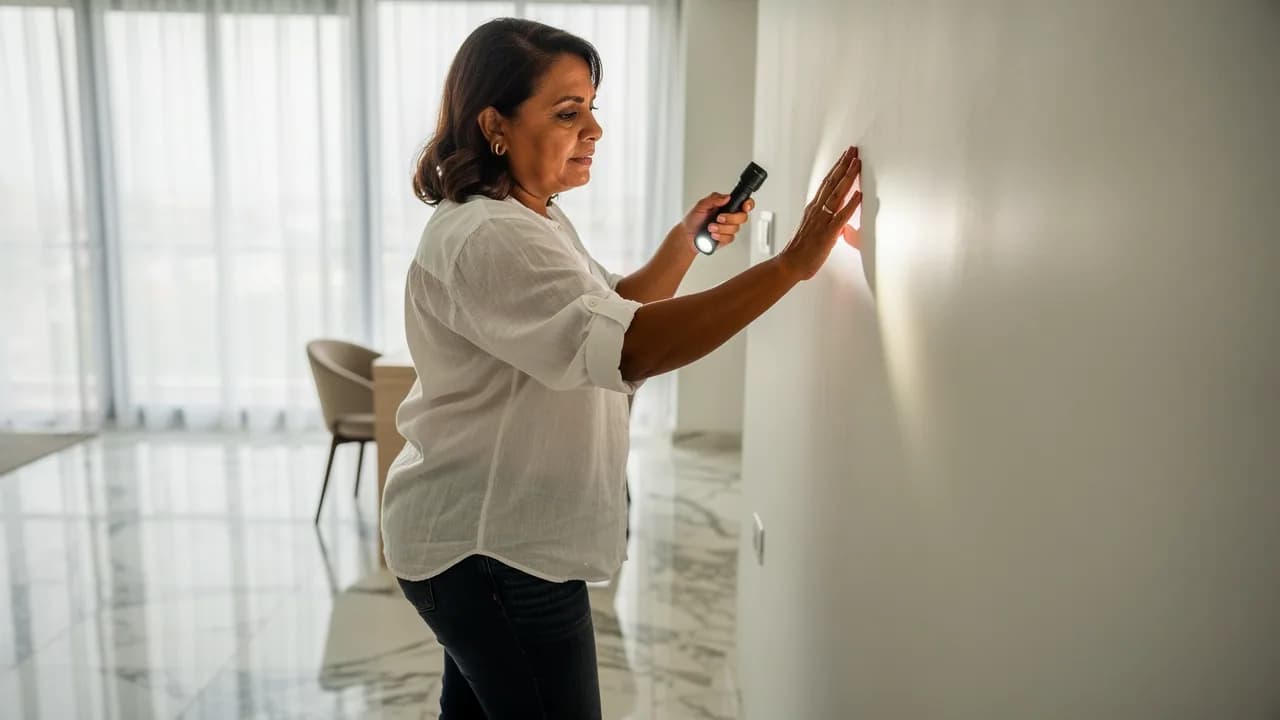
Carla has been viewing apartments online for three weeks. The photos have her in love with a penthouse in Naco: gleaming floors, immaculate walls, perfect natural light. But when she arrives for the in-person visit, everything changes. As she walks, she notices the floor creaks in several areas, there's a diagonal crack in the main wall that the photo didn't show, and when she touches certain areas she feels cold moisture.
This experience is more common than it seems. In the Dominican real estate market, photos on listings almost never tell the whole story about the actual condition of floors and walls.
Why Photos Lie About Real Condition
Property images are usually heavily edited, taken from flattering angles and with perfect lighting. In many cases they're retouched to hide moisture stains, cracks, or floor defects. Today even artificial intelligence tools are used to erase defects or make a room look newer than it actually is.
Toca Timbre
Propiedades reales. Agentes verificados. Tú decides sin miedo.
This digital manipulation has led many Dominican buyers to make decisions based on a distorted reality, only to discover costly problems after signing.
What You Really Need to Check on the Walls
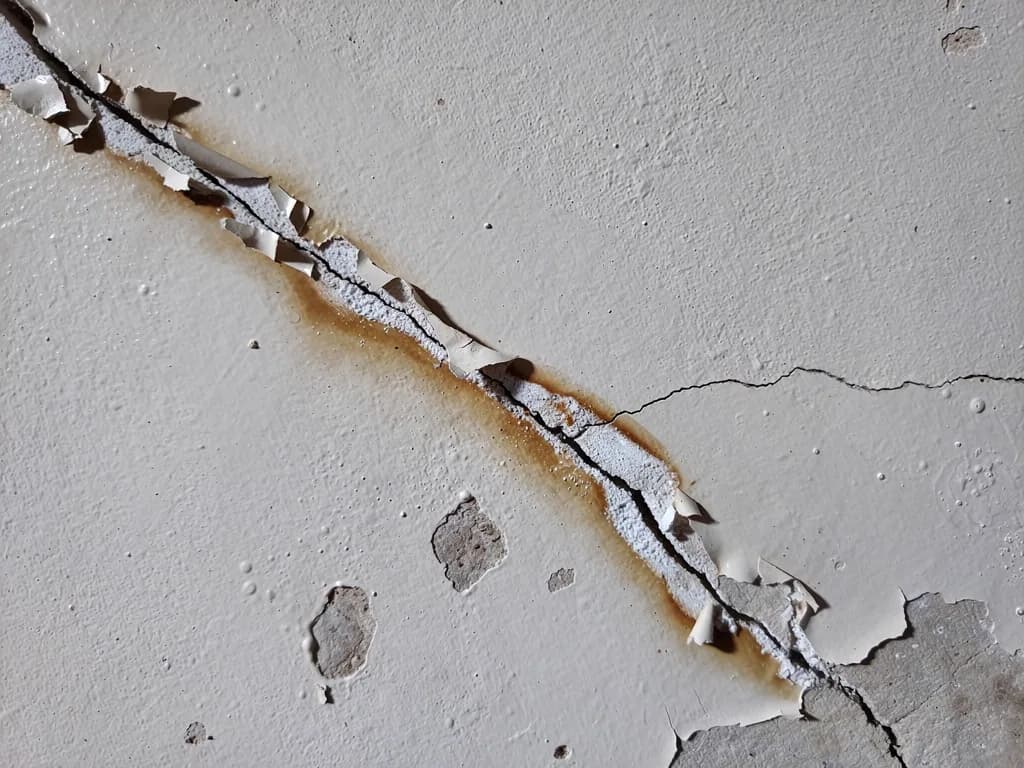
During the purchase of housing in the Dominican Republic, walls reveal crucial information that no photo can show. Fine cracks, slight waves, bubbling paint, or poorly done repairs under a fresh coat of paint are details only detectable in person.
Not all cracks are created equal. A fine hairline crack in just the paint is different from a diagonal crack that's wider and repeated in several areas. Cracks smaller than 1 mm can be purely cosmetic, resulting from normal house movement. But cracks larger than 5 mm, diagonal ones, or those that run through the wall can indicate structural problems.
Technique for Inspecting Walls Correctly
When searching for property in the DR, take your time and use all your senses:
- Get close to the walls in good light, check corners, ceiling joints, and around doors and windows
- Touch the surface to notice bumps, dips, or cold moisture
- Press gently on areas where paint looks bubbled or different
- Observe dark stains, mold, paint that's peeling off, or plaster that crumbles when touched
These signs can indicate leaks or poor ventilation—problems that photos usually conceal or eliminate completely.
The Hidden Truth in Floors
In floors, photos favor angles that hide uneven surfaces or loose tiles. Only by walking slowly through the entire space can you notice if the floor is irregular, if there are sunken areas, or creaks when you step.
In older buildings or renovated ones, an uneven floor can be related to structural movement, especially if it coincides with doors that don't close properly or nearby cracks. While some small level differences can be normal, it's important to observe whether the problem appears in multiple locations.
The Invisible Checklist: Water, Electricity, and Real Neighbors
Beyond floors and walls, there's an "invisible checklist" that defines daily quality of life: water, electricity, and real neighborhood.
Water: More Than Just Turning on the Tap
In the Dominican Republic, problems persist with service continuity, lack of pressure, and the need to store water in cisterns and tanks. During your visit:
- Turn on several faucets at the same time to check pressure
- Check if hot water comes out
- Observe if the water comes out cloudy or opaque
- Identify the typical supply schedule
- Ask about cistern or tank maintenance
Electricity: Know the Electrical Reality of the Neighborhood
The Dominican electrical situation combines areas with stable service and areas where blackouts are common. You can do simple checks:
- Locate the meter or gauge
- Take a photo of the initial reading
- Ask about the average monthly bill
- Confirm if there's a generator, inverter, or batteries
- Learn what areas these backup systems cover
Neighbors: The Real Community
The most powerful gesture is also the simplest: greet a neighbor and ask what it's like to live there. That conversation can reveal reality about noise, security, management response, and quality of coexistence.
When to Seek Professional Help
You don't need to become an expert in construction defects. It's reasonable to distinguish basic signs, and when something doesn't feel right, turn to professionals with real field experience.
That's where the importance of first contact with a real estate agent comes in: a verified professional can explain what's normal for the area and what warrants the opinion of an engineer or architect.
The Physical Inspection: Your Best Tool
Given the growing manipulation of photos in real estate ads, various specialists insist on returning to basics: not trusting in perfect images and always visiting the property in person.
Photos can seduce you, but floors and walls are only understood through a calm, tactile inspection accompanied by someone who can explain which details are normal and which could become costly problems.
An Informed Decision is a Peaceful Decision
In a market where "luxury projects" and "unique opportunities" abound, using your own senses and asking concrete questions is a way to empower yourself. Understanding how these elements actually work will allow you to choose a home that not only looks good in photos but also functions well the 365 days of the year.
Clarity doesn't come from rushing, but from taking time to observe, touch, and ask. Every detail you discover in person is valuable information that no edited photo can provide you.
For those seeking to start this home purchase process with greater clarity, Toca Timbre is an app where you can explore properties published by verified agents and contact them directly via WhatsApp when you find options that really interest you. You can learn more at Toca Timbre
Frequently Asked Questions
How can I tell if a crack in a wall is dangerous?
Cracks smaller than 1 mm are usually just cosmetic, while cracks larger than 5 mm, diagonal ones, or those running through the wall can indicate structural problems. If the crack is accompanied by moisture, appears in multiple areas, or coincides with doors that don't close properly, it's recommended to consult with an engineer.
What should I check about water during a property visit?
Turn on several faucets at the same time to check pressure, verify if hot water comes out, observe if it runs cloudy, and ask about supply schedules. It's also important to know the condition of the cistern or tank and its maintenance, as this affects water quality and pressure.
Are online property photos reliable?
Photos are usually edited, taken at flattering angles and with good lighting. Even artificial intelligence tools are used to erase defects. That's why it's essential to visit the property in person and use all your senses to assess the real condition of floors, walls, and basic systems.
Sources
- Real estate photo editing mistakes
- Cracks in walls: identification and solutions
- Mistakes in photographing properties
- AI and real estate photo manipulation
- Detecting cracks in apartment floors
- Using AI to remove moisture from photos
- Guide to wall cracks
- Water and sanitation in Dominican homes
- Drinking water regulations in the DR
- Preventive maintenance in Dominican condominiums