Property Jurisdiction: The Costly Mistake First-Time Buyers Make in the DR
30 de junio de 2026 · 5 min min read
Why first-time buyers confuse physical boundaries with legal titles in the Dominican Republic and how to avoid costly conflicts.
Property Jurisdiction: The Costly Mistake First-Time Buyers Make in the Dominican Republic
Carla had visited the land three times. She knew exactly where the big mango tree marking one corner was and had counted steps from the street to the back. The seller showed her the property title and everything seemed in order. Six months after signing, when construction began, a neighbor arrived with a cadastral plan proving a third of the land she thought was hers actually belonged to him.
This type of conflict doesn't arise from seller bad faith or Carla's negligence. It arises from a fundamental confusion about how property jurisdiction works in the Dominican Republic and the difference between what we see physically and what the legal register says.
Property Jurisdiction Is More Than Paperwork
In the Dominican Republic, property rights on real estate are governed by Law 108-05 on Property Registry. Property jurisdiction is the system formally proving ownership through a title certificate. It's not bureaucratic procedure—it's the only mechanism legally determining what specific plot of land belongs to you.
Toca Timbre
Propiedades reales. Agentes verificados. Tú decides sin miedo.
The common belief is that if you can walk a property, if the seller has a title, and measurements seem to match, everything's fine. This logic fails because the Dominican system defines legal property by specific registration coordinates, not physical references like trees, fences, or walls.
When Physical Land Doesn't Match Legal Title
 Dominican real estate lawyers document cases where buyers acquired properly-titled land but whose registered boundaries didn't match the space they'd visited. In one recorded case, the buyer paid for correctly-titled property, but part of the physical land they'd inspected legally belonged to a neighbor due to an old survey error.
This problem was discovered during construction. The true owner had law on their side and the buyer was trapped between an eviction lawsuit and complex legal proceedings. Total cost included legal fees, construction delays, and in some cases, partial investment loss.
The real anxiety doesn't come from property price, but discovering late that what you bought on paper isn't what your eyes had seen.
The Common Mistake with Purchase Promise Contracts
Many first-time buyers in the Dominican home purchase process sign purchase promise contracts without understanding the difference between physical possession and legal property. These contracts often contain vague boundary descriptions like "from the tree to the neighbor's fence" instead of precise cadastral references.
The problem emerges when:
- The cadastral plan isn't updated
- Title coordinates don't match physical reality
- Historic survey errors remain uncorrected
- The property overlaps with neighboring properties
A contract signed without cadastral verification can be legally valid but practically problematic.
How to Verify Jurisdiction Before Signing
Verifying property jurisdiction requires three technical steps beyond visual inspection:
Updated registration certification: Obtain from the Title Registry current legal status certification. This confirms no active mortgages, lawsuits, or liens exist.
Cadastral plan review: Compare title coordinates with the plan approved by Cadastral Surveys. This technical document defines property exact limits.
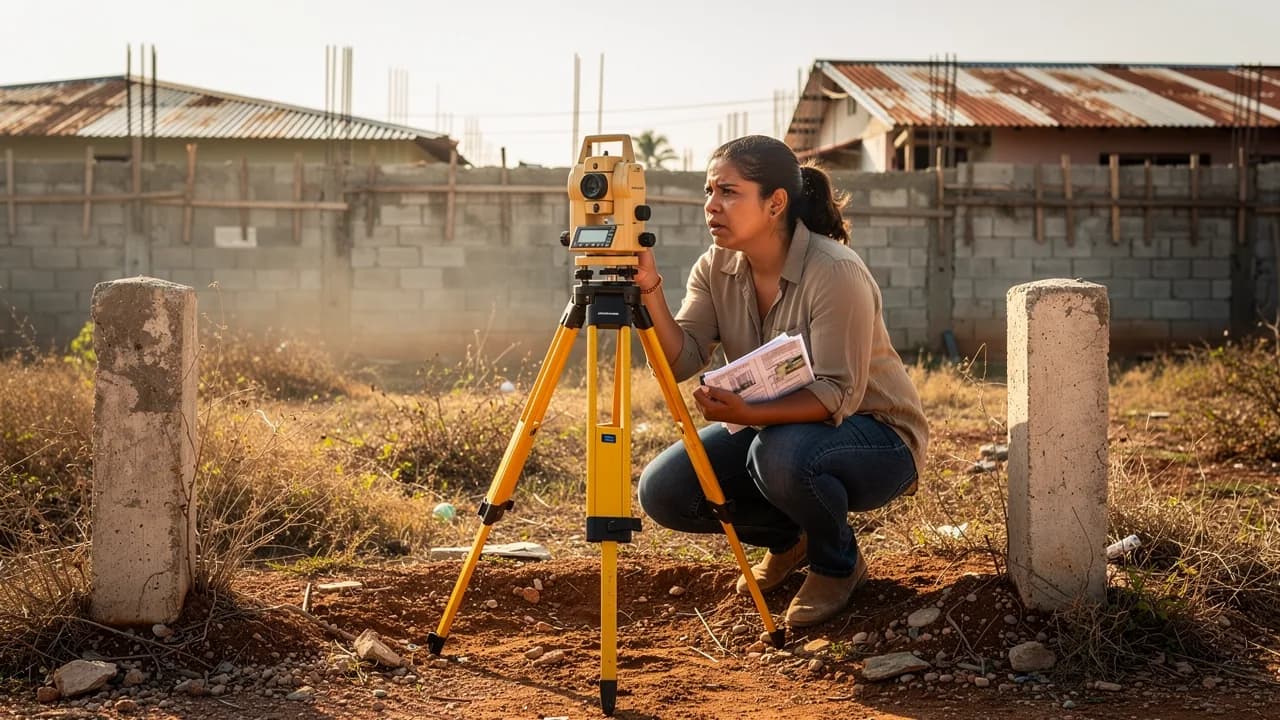
Physical survey with surveyor: Hire an independent surveyor verifying that registered coordinates match the land being sold.
These steps aren't suggestions—they're necessary verifications confirming the property you're buying is exactly what appears in the title.
The Role of Verified Real Estate Agents
A verified real estate agent in this process isn't just a sales middleman. Their technical role includes coordinating these verifications and stopping the operation if finding inconsistencies between legal documentation and physical reality.
Verified real estate agents knowing the Dominican property jurisdiction system:
- Demand complete cadastral documentation before showing properties
- Coordinate with surveyors verifying boundaries
- Review contracts include precise coordinates, not physical references
- Refuse to close operations with incomplete documentation
This prior verification significantly reduces later conflict risk and protects both buyer and seller from costly jurisdiction problems.
The Difference Between Possessing and Being Legal Owner
In Dominican real estate a critical distinction exists between possession and legal ownership. You can physically possess land, build on it, and live there for years, but if registered coordinates don't match that space, your legal property might be elsewhere.
This distinction isn't theoretical. Dominican courts regularly resolve cases where physical possession doesn't match legal registration, and in these conflicts, legal registration takes precedence over physical possession.
That's why first agent contact should include clear explanation of how property jurisdiction works and what verifications are necessary before signing any document.
Reflection: The Importance of Starting Right
Property jurisdiction errors don't resolve with good will or negotiation. They resolve through lawsuits that can last years and cost more than the original property. The only way to avoid them is verifying title-to-land correspondence before committing.
The peace of mind in a DR property purchase doesn't come from negotiated price or obtained financing. It comes from certainty that the land plot you saw is exactly what you'll legally own.
Beginning your search with clear understanding of property jurisdiction determines everything that follows. It's the difference between safe investment and costly legal problem.
If you're considering buying property in the Dominican Republic, you can explore options posted by verified agents on Toca Timbre. The app lets you review properties with detailed information and contact agents directly via WhatsApp to ask the right questions about jurisdiction and documentation from first contact: Toca Timbre
Frequently Asked Questions
What is property jurisdiction in Dominican Republic?
Property jurisdiction is the legal system formally proving property ownership through registered title certificates. Governed by Law 108-05 on Property Registry, it's the only way to legally prove you own a specific plot of land or property.
Why doesn't the title guarantee the physical land belongs to me?
The title describes property through specific registered coordinates, not physical references. If these coordinates don't precisely match the land you're seeing, you might have a valid title for a different space than you believe you're buying. That's why verification with a surveyor confirming title coordinates match the physical land is necessary.
When should I verify property jurisdiction during purchase?
Jurisdiction verification should happen before signing any contract, including purchase promises. Once you sign a contract, even if it contains coordinate errors or imprecise descriptions, you already have legal obligations. Early verification lets you detect problems when you can still cancel without consequences.